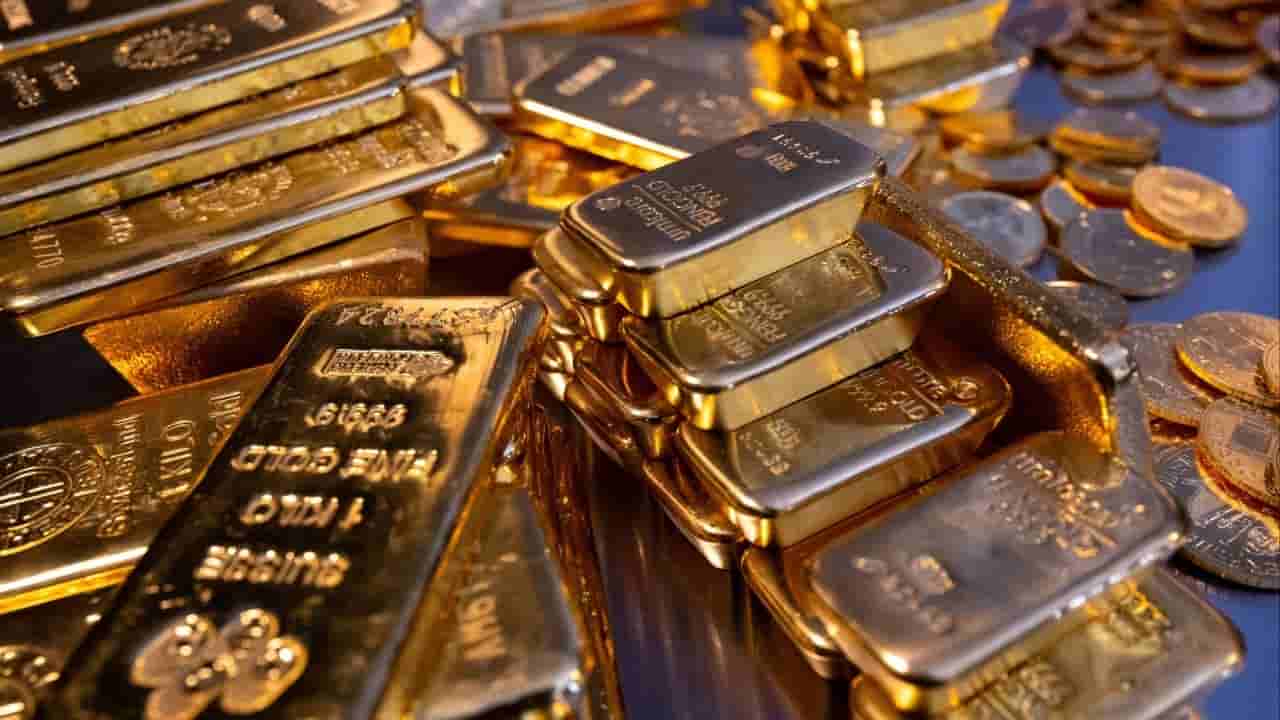
China's central bank continued its gold accumulation in June, adding 480,000 ounces and marking 20 consecutive months of purchases. This sustained buying reflects a broader global strategy by central banks to diversify reserves and hedge against geopolitical risks and currency fluctuations. Meanwhile, Hong Kong has launched a central gold clearing system and revived gold futures trading, aiming to establish itself as a global pricing hub. The Hong Kong Gold and Silver Exchange Society is collaborating with the Shanghai Gold Exchange to integrate their markets.
✉Newsletter
PiQ Daily
Pick your topics. Get only what matters, on your cadence.
Key Numbers
20months of consecutive gold buying by China
480,000ounces of gold added by China in June
Who's Involved
China
country whose central bank is actively buying gold
People's Bank of China
central bank extending its gold buying streak
Hong Kong
region launching gold clearing and futures trading
Hong Kong Gold and Silver Exchange Society
entity launching gold clearing and futures trading
Shanghai Gold Exchange
entity collaborating with Hong Kong's gold exchange
1 / 2
Key facts
China's central bank added 480,000 ounces of gold in June.
China's central bank has been buying gold for 20 consecutive months.
Central banks are diversifying reserves and hedging against geopolitical risks.
A strong U.S. dollar and shifting interest rates are impacting markets.
Hong Kong has launched a central gold clearing system.
Hong Kong has revived gold futures trading.
Hong Kong aims to become a global gold pricing hub.
The Hong Kong Gold and Silver Exchange Society has joined the Shanghai Gold Exchange.
The collaboration aims to foster market integration.
China's central bank extended its gold buying streak to 20 months by acquiring an additional 480,000 ounces in June. This persistent accumulation by the People's Bank of China highlights a significant global trend where central banks are actively diversifying their foreign exchange reserves. This strategy serves as a hedge against geopolitical uncertainties and the volatility associated with a strong U.S. dollar and fluctuating interest rates, which are currently influencing global financial markets.
In parallel developments, Hong Kong is making a concerted effort to bolster its position in the global gold market. The Hong Kong Gold and Silver Exchange Society has launched a central gold clearing system and reintroduced gold futures trading. These initiatives are designed to position Hong Kong as a key international hub for gold pricing. To further this objective, the Hong Kong Gold and Silver Exchange Society has established a partnership with the Shanghai Gold Exchange, signaling a move towards greater cooperation and market integration between the two financial centers.
This dual focus on reserve diversification by China and market development by Hong Kong underscores a growing shift away from U.S. dollar dominance in international finance. Central banks are seeking to reduce their reliance on the dollar and other traditional reserve currencies, opting instead for tangible assets like gold. The integration efforts between Hong Kong and Shanghai aim to create a more robust and accessible gold market, potentially influencing global gold prices and trading patterns.
↳ Why This Matters
China's central bank extended its gold buying streak to 20 months by acquiring an additional 480,000 ounces in June. This persistent accumulation by the People's Bank of China highlights a significant global trend where central banks are actively diversifying their foreign exchange reserves. This strategy serves as a hedge against geopolitical uncertainties and the volatility associated with a strong U.S. dollar and fluctuating interest rates, which are currently influencing global financial markets.
Frequently asked questions
China is buying gold as part of a strategy to diversify its foreign exchange reserves away from the U.S. dollar and reduce its reliance on the dollar for international trade and finance.
China has been consistently buying gold for 20 consecutive months, as of June.
De-dollarization refers to the process of reducing the dominance of the U.S. dollar in international trade, finance, and as a global reserve currency.
What Happens Next
01Monitor June gold reserve data from the People's Bank of China.
02Observe further shifts in global central bank reserve allocations.
Get the newsletter.
Pick the topics you actually care about. We'll email when there's news worth your time, on the cadence you choose. Cancel any time from your account.