Key facts
- China has released a strategic plan for its oil and gas sector through 2030.
- China's plan aims to expand domestic oil and gas production.
- China plans to increase pipeline infrastructure and storage capacity.
- The goal of China's plan is to enhance energy security.
- China seeks to reduce reliance on global supply disruptions.
- Laos is increasing its promotion of electric vehicles.
- Laos is leveraging its abundant hydroelectric power.
- Laos's EV push is driven by energy security concerns.
- Oil shortages linked to the war in Iran are a factor for Laos.
- Laos has paused imports of gasoline-powered cars.
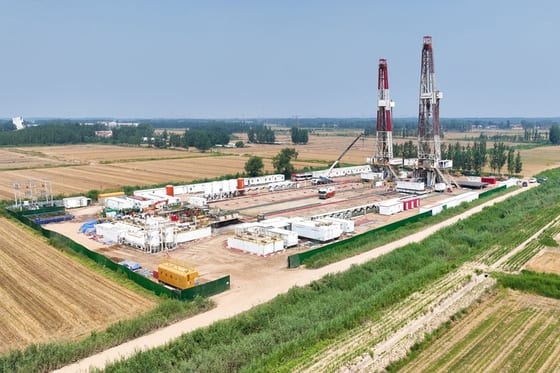
China has unveiled a comprehensive strategic plan for its oil and gas sector, extending through 2030, with the primary objective of bolstering energy security. The plan outlines a significant expansion of domestic oil and gas production, alongside investments in pipeline infrastructure and storage capacity. This initiative is designed to insulate China from global supply disruptions and reduce its dependence on international markets.
In parallel, Laos is accelerating its transition towards electric vehicles (EVs) as a measure to enhance its own energy security. The nation is leveraging its substantial hydroelectric power resources to support this shift. The impetus for this accelerated EV adoption stems from current oil shortages, which have been exacerbated by the conflict in Iran. These shortages have already prompted a halt in the import of gasoline-powered cars into Laos.
The contrasting strategies highlight a broader regional focus on energy security. China's approach involves strengthening its traditional fossil fuel infrastructure, while Laos is embracing renewable energy and electrification to mitigate risks associated with volatile global oil markets. Both nations are taking proactive steps to secure their energy futures in the face of geopolitical and economic uncertainties.