Key facts
- U.S. crude oil production averaged a record 13.6 million barrels per day in 2025.
- This output was approximately 40% higher than Russia and Saudi Arabia combined.
- The Permian Basin accounted for nearly half of total U.S. crude output.
- The record was set despite lower average oil prices in 2025 compared to 2024.
- Continued gains in drilling productivity and efficiency contributed to the production increase.
The United States achieved a new record for crude oil production in 2025, averaging 13.6 million barrels per day, according to data from the U.S. Energy Information Administration. This achievement extends the U.S.'s status as the world's largest crude producer, a position it has held since overtaking Russia in 2018.
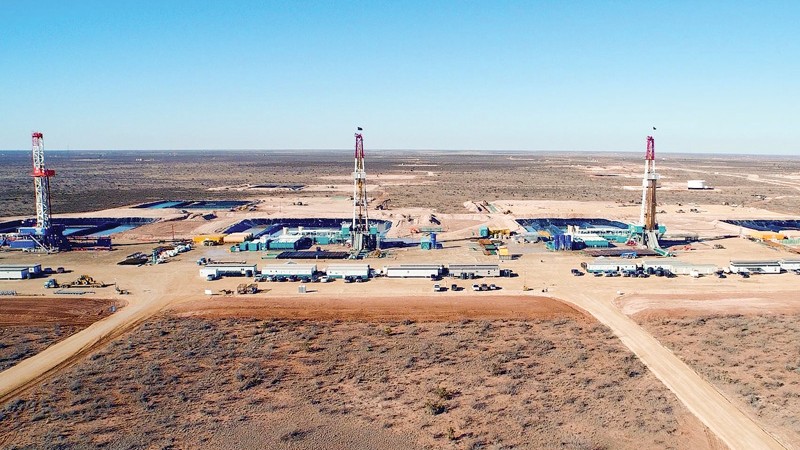
The 2025 production figure surpassed the previous record of 13.2 million barrels per day set in 2024. Output from the Permian Basin, spanning Texas and New Mexico, was a significant contributor, rising 4% to 6.6 million barrels per day, which represents nearly half of the total U.S. crude output. This record was set despite a decrease in oil prices, with WTI averaging $65 per barrel in 2025, down from $77 in 2024, as global oversupply pressured the market.
U.S. operators were able to extract more crude through enhanced drilling productivity and improved efficiency in key shale basins. The EIA projects that U.S. crude production will remain strong, staying near 13.7 million barrels per day in 2026 and increasing to 14.2 million barrels per day in 2027, supported by anticipated price increases and ongoing shale productivity gains. The report also notes that the U.S. oil industry entered 2026 from a position of strength, which is relevant given the ongoing U.S.-Iran conflict and the closure of the Strait of Hormuz.