Key facts
- U.S. gasoline prices increased by 6 cents to an average of $3.88 per gallon.
- Renewed fighting between the U.S. and Iran in the Strait of Hormuz has driven up crude oil prices.
- Global oil futures benchmark Brent saw a weekly gain of approximately 5.5%.
- Unplanned refinery outages in Russia and the U.S. have contributed to supply tightness.
- U.S. gasoline inventories decreased by 1.9 million barrels last week.
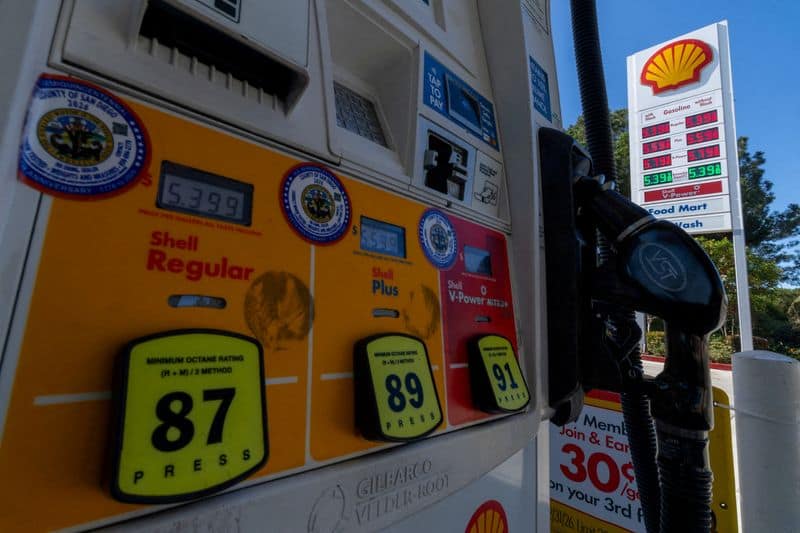
U.S. drivers are experiencing rising gasoline prices again, with average pump prices climbing 6 cents to $3.88 a gallon, the largest weekly increase since mid-May. This reversal follows weeks of steady declines and is attributed to renewed fighting between the U.S. and Iran, which has pushed crude oil prices to their biggest weekly rise in eight weeks. Attacks on several tankers transiting the Strait of Hormuz, a critical waterway for global oil and gas supplies, have exacerbated supply concerns.
Energy market analysts point to the geopolitical tensions as a primary driver, with Brent crude futures on track for a roughly 5.5% weekly gain. The U.S. has also revoked a general license that permitted the sale of Iranian oil, further tightening global markets. President Donald Trump has criticized oil companies for alleged price gouging and urged the Justice Department to investigate.
Compounding the issue are disruptions in the global refining system. Unplanned refinery outages in both Russia and the United States have squeezed fuel supplies. Russia's refining sector has been particularly impacted by attacks, leading to reduced fuel production and tightened global supplies. In the U.S., refinery disruptions, including at Marathon Petroleum's Detroit facility and Delta's Trainer, Pennsylvania refinery, have further strained supplies.
U.S. gasoline inventories fell by 1.9 million barrels last week, leaving stockpiles nearly 10 million barrels below the five-year average. Stockpiles are running below seasonal norms across all U.S. regions, with a pronounced shortfall on the Gulf Coast. The loss of Middle Eastern and Russian barrels has allowed U.S. refiners to achieve stronger margins as key suppliers. Furthermore, U.S. petroleum product exports reached a weekly record of 8.7 million barrels per day in the week to July 3, indicating robust demand for U.S. refined products globally.