Key facts
- U.S. firms are exporting fuel to private Cuban businesses under a Commerce Department exception.
- This has created a black market for gasoline and diesel, with prices as high as $38 per gallon.
- Traditional suppliers Venezuela and Mexico have stopped sending oil to Cuba.
- Cuba has authorized private businesses to import fuel and is considering reforms to allow private and foreign investment in the energy sector.
- The high cost of imported fuel exacerbates wealth disparities on the island.
Six decades after Fidel Castro's revolution, capitalist elements are emerging within Cuba's state-controlled energy sector, driven by a U.S. Commerce Department exception that permits American firms to export fuel to private Cuban businesses. This exception has inadvertently fueled a chaotic black market, as traditional suppliers like Venezuela and Mexico have ceased oil shipments following U.S. actions against Venezuela.
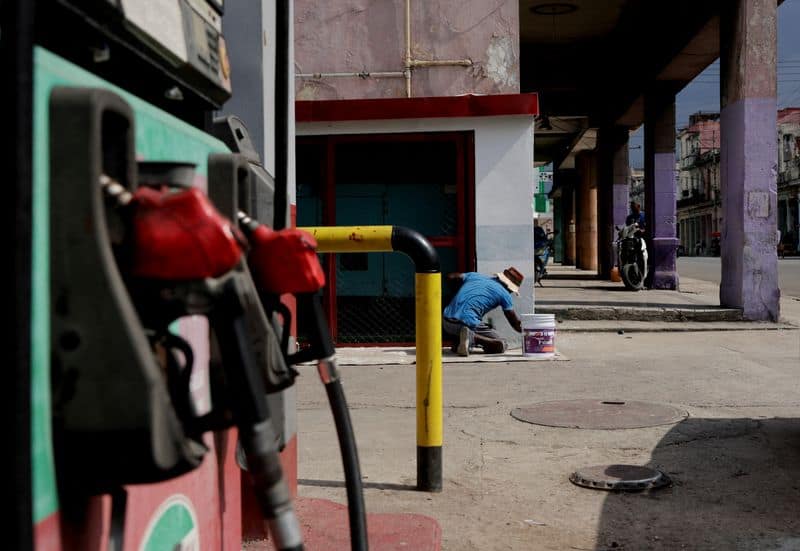
The U.S. embargo has severely impacted essential services, but the new fuel imports are reaching private restaurants, retailers, and taxis, marking the first significant U.S. fuel landings since the 1959 revolution. While this provides some relief, it also sharpens wealth disparities, with imported fuel being prohibitively expensive for the average Cuban.
Reports indicate that approximately 900,000 barrels of U.S. fuel were imported between February and May, opening doors to significant changes. A resale market has developed, with fuel being sold from apartments and advertised on social media. Black market prices peaked at $38 per gallon in the spring before easing slightly with increased import volumes.
Cuba has authorized private businesses to import fuel for their own use and has approved economic reforms to potentially open the energy sector to private and foreign investors. The government has also permitted nearly 200 businesses to engage in wholesale fuel distribution. Prime Minister Manuel Marrero Cruz announced the approval of the first foreign investment venture dedicated to importing and selling fuel on the island.
Despite these developments, state-controlled entities still manage port access and storage tanks. U.S. officials acknowledge the humanitarian needs but also accuse Cuban officials of mismanagement. The U.S. State Department stated that private businesses, NGOs, and diplomatic missions can import fuel, primarily from the United States, but did not elaborate on the impact on the black market.
Experts note that while the reforms appear positive on paper, there is a lack of monitoring to ensure compliance with U.S. export restrictions, which stipulate fuel must be for private sector use and not end up with the Cuban government. Other countries like Mexico and Panama have also supplied small quantities of fuel to Cuba's private sector.