Key facts
- Demand for whey protein is surging due to wellness trends and the use of GLP-1 medications.
- Prices for whey protein concentrates have increased significantly over the past six months and two years.
- High-protein whey stocks have fallen year-over-year, despite increased production.
- Some suppliers are completely sold out of whey protein for the remainder of the year.
- Food manufacturers are incorporating more protein into products like cereals, pasta, and cold foams.
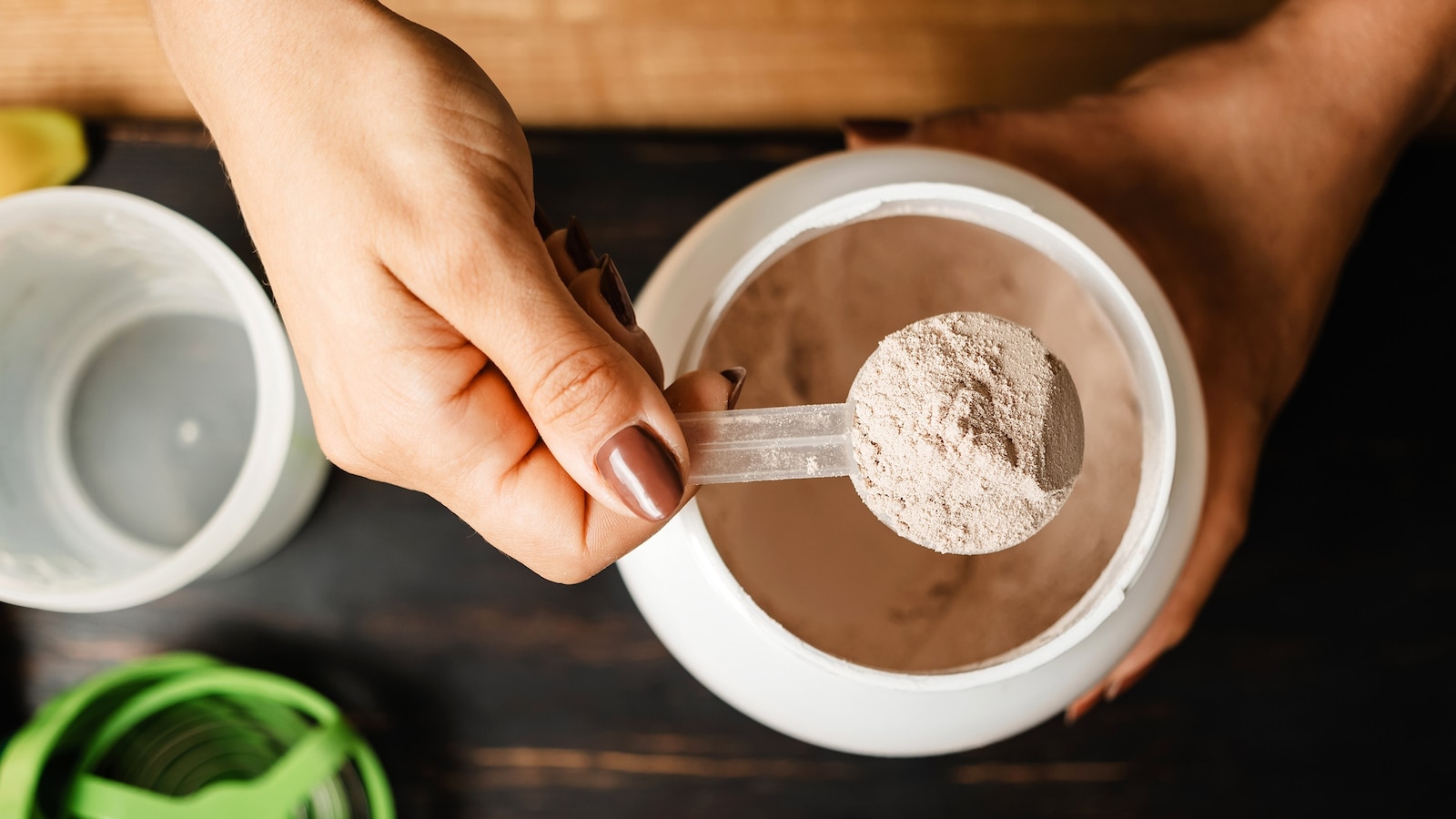
America is experiencing a significant shortage of high-protein whey, with prices soaring due to a confluence of factors including the wellness craze and increased protein intake driven by GLP-1 medications. Suppliers are reportedly sold out for the remainder of the year, according to the U.S. Department of Agriculture.
Prices for whey protein concentrates (WPC) have seen substantial increases, with one mid-protein grade (WPC 34%) rising approximately 20% over the past six months and nearly 83% over the last two years. Despite a 6% increase in first-quarter production, high-protein whey stocks fell 7% year-over-year in March, indicating a tight inventory situation.
Market experts attribute the demand surge to consumers actively seeking more protein, both for general wellness and as a result of using GLP-1 medications. This trend has prompted food manufacturers to develop and market a wide array of protein-enhanced products, from cold foams and snacks to breakfast cereals and pasta. The demand for protein is not showing signs of peaking, with both older and younger generations increasing their protein consumption through various product types.