All NewsEducationTV
Equities & FundsCrypto & Digital AssetsAI & TechnologyBusiness & CorporateUS Politics & PolicyGeopolitics & Global RiskMacro, Rates & FXCommodities & EnergyEuropean Politics & MarketsAsia-PacificReal Estate & Property
Story archiveAll categories
← All Stories

US Backs Madagascar Rare Earths Project to Counter China's Supply Chain Dominance

Created at 28 Jul · 1:38 PM1 source↑ Market-relevant
IN SHORT

The U.S. is supporting the Ampasindava rare earths project in Madagascar as part of a strategy to reduce rivals' control over critical mineral supply chains. This move aims to develop alternative sources to China's dominant position in rare earth mining and processing.

✉Newsletter

PiQ Daily

Pick your topics. Get only what matters, on your cadence.

Key Numbers

$150 millionAmpasindava project estimated cost
$4.48 millionDFC commitment for pilot plant work
4,000 metric tonsAnnual rare earth oxides production target
1,700 tonsAnnual high-value magnet rare earths target

Who's Involved

U.S. State Department
Announced backing for the Madagascar rare earths project
U.S. International Development Finance Corporation
Committed up to $4.48 million for pilot plant work
Harena Rare Earths
Owner and developer of the Ampasindava project
Andrew Murphy
Executive Chair of Harena Rare Earths
China
Dominant global rare earth mining and processing country
US Backs Madagascar Rare Earths Project to Counter China's Supply Chain Dominance

↳ Why This Matters

This U.S. backing for a rare earths project in Madagascar signifies a strategic effort to challenge China's near-monopoly on critical mineral supply chains, which are essential for green energy technologies and defense systems. It highlights a shift in geopolitical focus towards securing these vital resources outside of Chinese control.

Key facts

  • The U.S. is backing the Ampasindava rare earths project in Madagascar.
  • The project is part of a U.S. strategy to loosen China's grip on critical mineral supply chains.
  • The U.S. International Development Finance Corporation committed up to $4.48 million for pilot plant work.
  • The Ampasindava project is expected to produce about 4,000 metric tons of rare earth oxides annually.
  • Harena Rare Earths aims to begin production by mid-2028 and is considering U.S. and European processing options.

The United States is supporting the Ampasindava rare earths project in Madagascar as part of a broader strategy to diversify critical mineral supply chains and reduce reliance on China. The State Department highlighted this initiative, emphasizing Washington's push to develop alternative sources for minerals largely controlled by Beijing.

Harena Rare Earths, the London-listed developer of the approximately $150 million Ampasindava project, announced that the U.S. International Development Finance Corporation (DFC) has committed up to $4.48 million. This funding is designated for pilot plant work, laboratory testing, and environmental programs, which are crucial steps toward potential future financing.

A State Department spokesperson stated that U.S. critical minerals strategy in Africa aims to boost American investment in mining sectors often characterized by "opaque, predatory investments from our adversaries." Madagascar is seen as a key country within this strategy, with opportunities for increased U.S. and aligned investment.

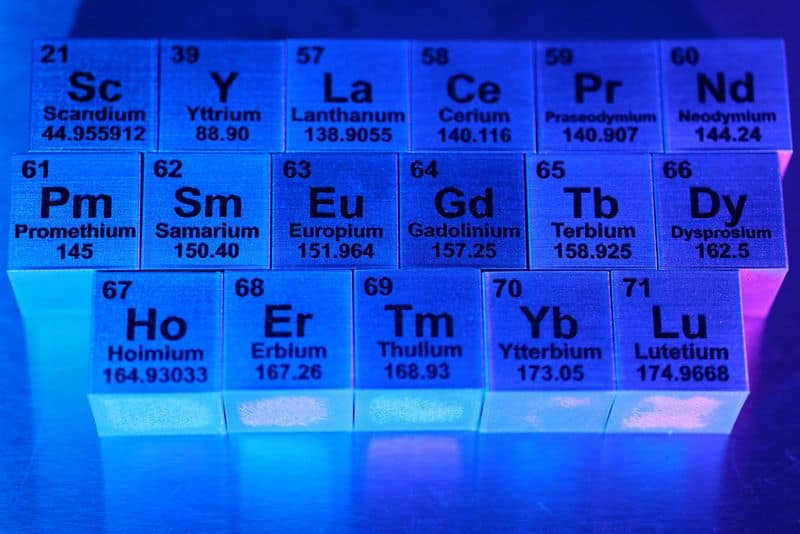
China currently dominates global rare earth mining and processing and has previously used export controls to exert influence over supply chains vital for electric vehicles, wind turbines, electronics, and defense systems. The Ampasindava project's ionic clay deposit is rich in neodymium, praseodymium, dysprosium, and terbium, elements essential for manufacturing permanent magnets used in advanced defense applications like fighter jets and precision-guided missiles.

Harena estimates the project will produce around 4,000 metric tons of rare earth oxides annually, including 1,700 tons of high-value magnet rare earths. The company is currently seeking an exploitation permit and hopes for approval within weeks. Harena aims to commence production by mid-2028 and is exploring processing options in the U.S. and Europe, with potential partners including MP Materials, USA Rare Earths, and Solvay. While the initial DFC commitment is modest, it could pave the way for larger U.S. financial backing as the project progresses.

Frequently asked questions

Rare earths are a group of 17 elements critical for manufacturing high-tech products, including magnets for electric vehicles and wind turbines, as well as components for electronics and defense systems.

The Ampasindava project in Madagascar is an ionic clay deposit being developed by Harena Rare Earths to mine essential rare earth elements like neodymium, praseodymium, dysprosium, and terbium.

The U.S. aims to loosen China's dominance over critical mineral supply chains by developing alternative sources and increasing U.S. and allied investment in mining sectors.

What Happens Next

01Harena aims to secure an exploitation permit in the coming weeks.
02Harena plans to begin production at Ampasindava by mid-2028.
03The DFC may consider additional support for the project, subject to due diligence.

Get the newsletter.

Pick the topics you actually care about. We'll email when there's news worth your time, on the cadence you choose. Cancel any time from your account.

Cadence
CME Headlines
  • WTI Crude Oil futures slide 7% as U.S.-Iran tensions ease.
    27 Jul · 8:29 PM
  • WTI Crude Oil futures slide 7% as U.S.-Iran tensions ease.
    27 Jul · 8:29 PM
  • Gold futures pare early gains as short-term yields shift.
    27 Jul · 7:56 PM

How It Developed

The U.S. State Department announced backing for the Ampasindava rare earths project in Madagascar.
The U.S. International Development Finance Corporation committed up to $4.48 million for pilot plant work at the project.
Harena Rare Earths, the project developer, aims to begin production by mid-2028.
Harena is evaluating processing options in the U.S. and Europe with potential partners.

Sources

T1
US backs Madagascar rare earths project in push to loosen China's supply chain gripReuters

Related Stories

Army Taps REalloys for Rare Earth Processing Facility at Utah Base
28 Jul · 4:06 AM
ADB, World Bank fund Timor-Leste’s first solar farm
28 Jul · 11:41 AM
Expand Energy to acquire Twin Eagle for $1.25 billion to boost gas marketing
27 Jul · 3:36 PM
Australia funds study for new oil refinery amid diesel volatility
28 Jul · 6:26 AM
Japan to Fund Overseas Oil Pipelines to Reduce Hormuz Dependence
28 Jul · 9:27 AM