Key facts
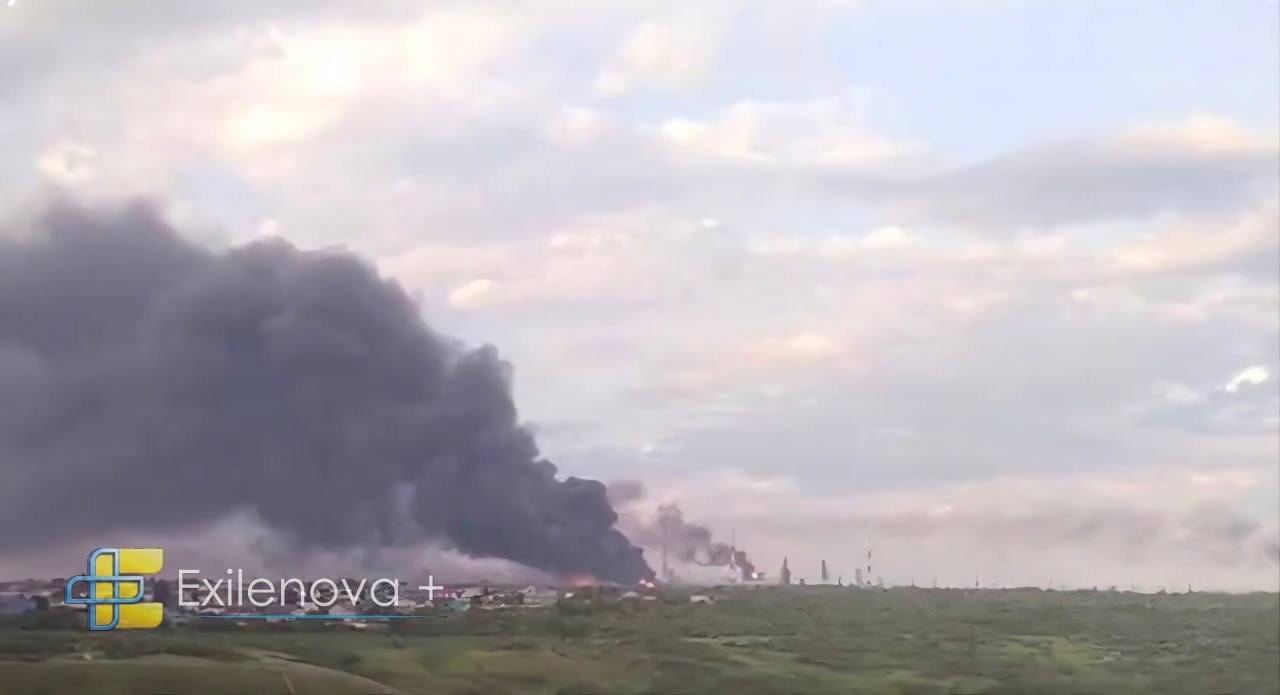
- Ukraine reportedly struck the Szyran Oil Refinery in Syzran, Samara Oblast, on July 12, 2026.
- The refinery has a capacity of approximately 9 million tons of crude oil per year.
- It supplies fuel to the Russian Air Force and military units.
- The extent of damage from the strike is not yet clear.
- Ukraine has been increasingly targeting Russian oil infrastructure with long-range drones.
Ukrainian forces reportedly struck a major Russian oil refinery in the city of Syzran, Samara Oblast, overnight on July 12, 2026. Photos and videos shared on social media by local residents appear to show significant flames and thick black smoke emanating from the Szyran Oil Refinery. The refinery, located over 800 kilometers from the Ukrainian border, has an annual processing capacity of approximately 9 million tons of crude oil. It is a key supplier of fuel to the Russian Air Force and military units in central and southern Russia, and also exports petroleum products via the Volga River and the Caspian Sea.
While the specific weaponry used in the attack remains unclear, Ukrainian forces have increasingly employed domestically-produced long-range drones to target Russia's oil infrastructure. The full extent of the damage to the refinery has not yet been determined, and Ukraine's military has not officially commented on the reported strike. The Kyiv Independent has also stated it cannot immediately verify the reports.
Kyiv views energy facilities as legitimate military targets, arguing they fuel and fund Russia's war efforts. Ukraine has been conducting a growingly successful campaign of deep strikes against Russian oil infrastructure, impacting oil depots, disrupting operations at major facilities, and in some instances causing indefinite operational halts. This reported strike follows similar attacks on the Ilsky Oil Refinery on July 9 and the Saratov Oil Refinery on July 8, which led to a production halt. These attacks are increasing pressure on the Kremlin by worsening a domestic fuel supply crisis that has already resulted in export bans, price increases, and sales restrictions across Russia.