Key facts
- Ukraine claimed responsibility for a drone strike on Lukoil's Volgograd refinery.
- The Volgograd refinery has a capacity of 300,000 barrels per day.
- The attack resulted in a fire at an industrial facility in the fuel and energy complex.
Ukraine's Security Service claimed responsibility for a drone attack on Lukoil's Volgograd refinery, a major Russian processing facility. The strike, which caused a fire at an industrial site, comes after a lull in refinery attacks, potentially worsening Russia's ongoing fuel shortages.
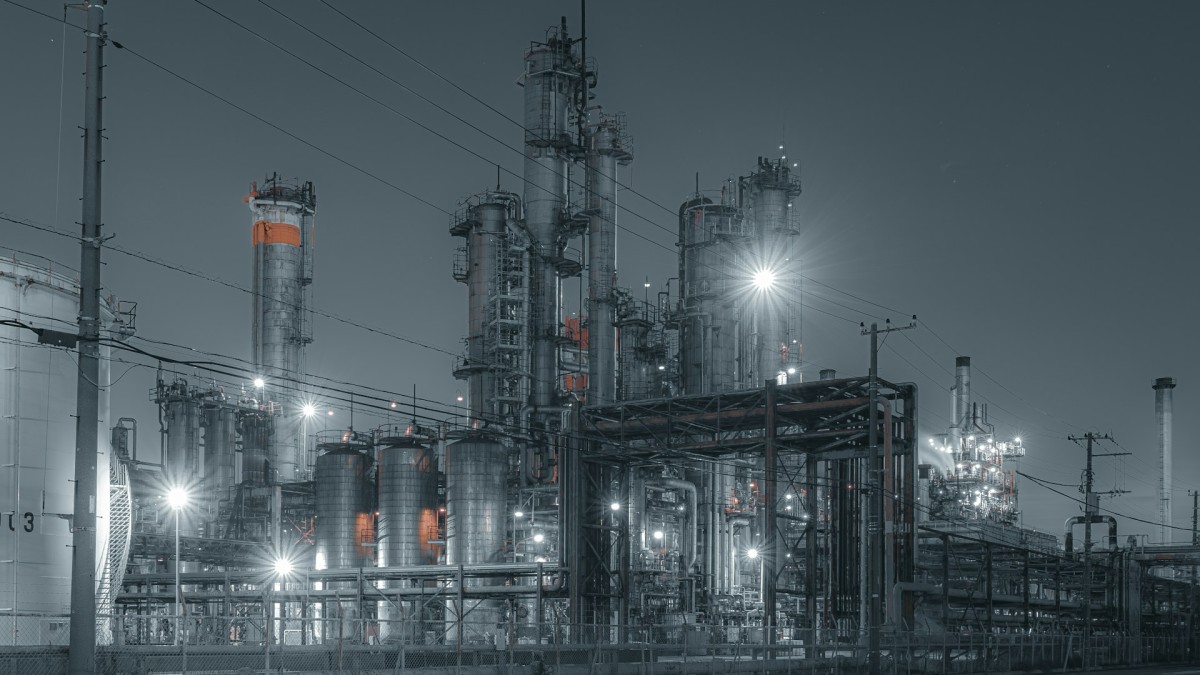
The drone strike on a major Russian refinery risks worsening existing fuel shortages in Russia, potentially impacting domestic supply and global energy markets. It signals Ukraine's continued ability to target critical Russian infrastructure.
Ukraine's Security Service announced on Friday that it had successfully struck Lukoil's Volgograd refinery, one of Russia's largest processing facilities, as drone attacks on Russian energy infrastructure resumed. The refinery, with a capacity of 300,000 barrels per day, produces gasoline, diesel, and jet fuel.
Andrei Bocharov, the governor of the Volgograd region, confirmed a fire at an industrial facility within the fuel and energy complex following a mass drone attack, though he did not name the specific site. This marks a recurrence for the Volgograd refinery, which had previously suspended operations earlier this year due to a drone-induced fire.
The renewed campaign against refineries follows a brief lull during which Ukrainian forces focused on maritime targets. This pause had allowed some Russian refineries to restart operations, contributing to a perceived easing of a fuel crisis, according to Deputy Prime Minister Alexander Novak. However, Russia's decision to extend its ban on gasoline and diesel exports until the end of the year signals that supply issues persist.
Russia has been grappling with gasoline and diesel shortages for approximately three months, largely attributed to Ukraine's drone strikes that have taken numerous large processing sites offline during the spring and early summer. The latest attack on the Volgograd refinery could exacerbate these existing shortages during a peak demand season.