Key facts
- Turkey and Iraq are nearing a 12-month extension of their crude oil pipeline agreement.
- The deal is expected to be signed before the current agreement expires on July 27.
- The Iraq-Turkey pipeline is a vital export route for Iraqi crude oil to the Mediterranean.
- The pipeline's resumption follows a more than two-year shutdown due to an arbitration dispute.
- Iraq relies heavily on oil exports for government revenue.
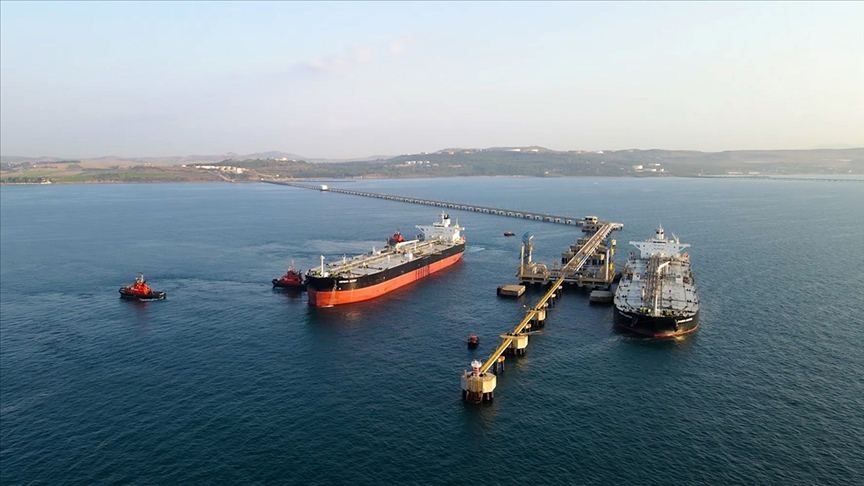
Turkey and Iraq are on the verge of extending their crucial crude oil pipeline agreement for another year, a move that will prevent the shutdown of a vital export route for Baghdad. The deal, expected to be finalized within days, will ensure oil continues to flow from northern Iraq to the Mediterranean port of Ceyhan, averting a looming July 27 expiration.
This extension is particularly significant as Iraq relies heavily on oil exports, which account for approximately 90% of its government revenue. With its southern export options potentially constrained, the Ceyhan pipeline has become an indispensable economic lifeline. The agreement's renewal provides Baghdad with much-needed stability as it pursues ambitious plans to increase oil production and attract foreign investment.
The Iraq-Turkey pipeline has experienced a turbulent history, remaining offline for over two years after an arbitration court ordered Turkey to pay Iraq $1.5 billion for unauthorized Kurdish oil exports between 2014 and 2018. Flows only resumed late last year, making the expiration of the transit agreement a source of considerable uncertainty.
While the one-year extension does not resolve Iraq's long-term export challenges, it addresses immediate concerns and postpones the problem of diversifying export routes away from potential regional disruptions.