HomeEverythingEducation
Equities & FundsCrypto & Digital AssetsAI & TechnologyBusiness & CorporateUS Politics & PolicyGeopolitics & Global RiskMacro, Rates & FXCommodities & EnergyEuropean Politics & MarketsAsia-PacificReal Estate & Property
← All Stories

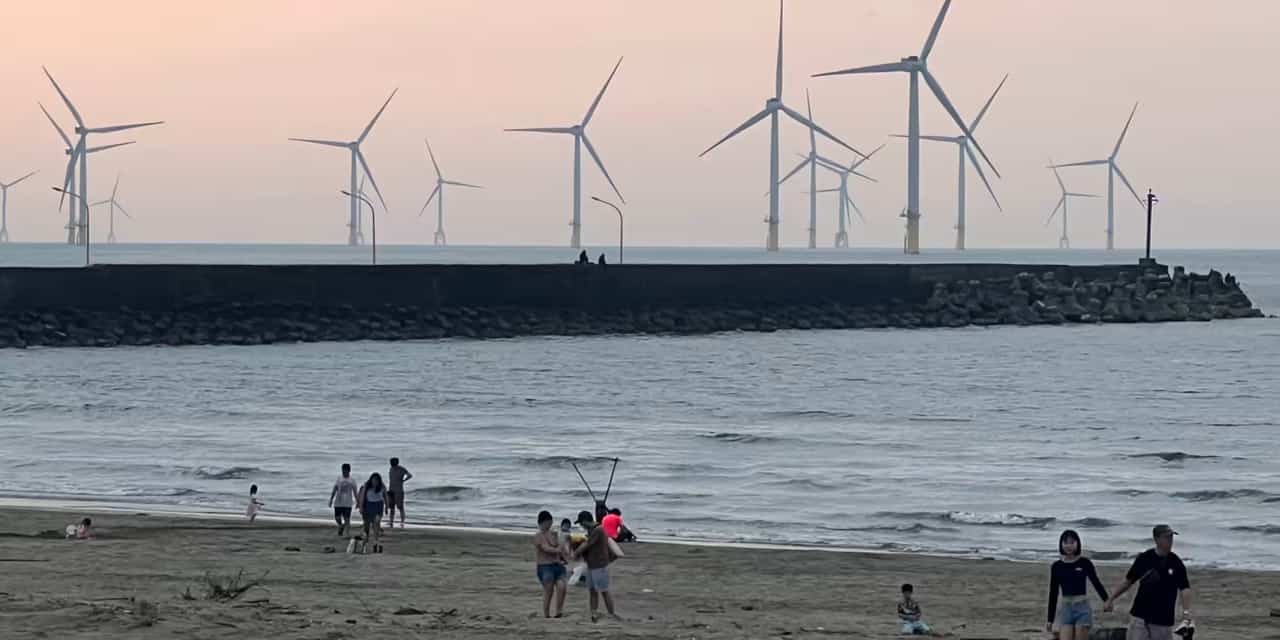
Taiwan offshore wind projects face inflation headwinds

Created at 8 Jul · 4:00 PM1 source↑ Market-relevant
IN SHORT

Taiwan's ambitious offshore wind energy program is encountering significant challenges due to rising inflation and construction costs. These headwinds have led to companies pausing or exiting the market, prompting authorities to reconsider bidding processes and market mechanisms to ensure continued investment.

✉Newsletter

PiQ Daily

Pick your topics. Get only what matters, on your cadence.

Key Numbers

50%planned natural gas share in 2025 energy mix
27%planned coal share in 2025 energy mix
20%planned renewable energy share by 2025
2%planned other energy share in 2025
1%planned nuclear energy share in 2025
November 2026new target for 20% renewable energy share
30%renewable energy target by 2030
5.3GWoffshore wind capacity target by end of 2026
13GWoffshore wind capacity target by 2030
4.6GWinstalled offshore wind capacity as of April 22, 2026
15GWplanned capacity from 2026 to 2035
NTD 0 /kWhlowest bid feed-in tariff in rounds 3.1 and 3.2
NTD 0.1/kWhlow bid feed-in tariff in rounds 3.1 and 3.2
3.6GWcapacity allocated for round 3.3
2030–2031completion timeframe for round 3.3 projects
31.5%YoY export value increase for Taiwan
USD 9.9 billionTaiwan's export value

Who's Involved

Taiwanese Government
rethinking bidding processes for offshore wind projects
David Chiang
commentator on Taiwan's offshore wind journey
RWE
offshore wind developer that paused or exited the market
BlueFloat
offshore wind developer that paused or exited the market
Iberdrola
offshore wind developer that paused or exited the market
Northland Power
offshore wind developer that paused or exited the market
EnBW
offshore wind developer that paused or exited the market
Ministry of Economic Affairs
published new rules for offshore wind development
Taiwan offshore wind projects face inflation headwinds

↳ Why This Matters

Taiwan's reliance on offshore wind to meet its renewable energy targets is crucial for its energy security and climate goals. The current challenges threaten to delay these objectives and could impact the country's position as a leader in renewable energy development.

Key facts

  • Taiwan's renewable energy target of 20% by 2025 has been delayed to November 2026.
  • The government aims to reach 5.3GW of installed offshore wind capacity by the end of 2026.
  • Developers in recent bidding rounds offered near-zero feed-in tariffs, making corporate power purchase agreements crucial.
  • Rising inflation and construction costs have caused some companies to exit Taiwan's offshore wind market.
  • Authorities are reviewing bidding processes to maintain investment in the sector.

Taiwan's ambitious offshore wind energy program is facing significant headwinds due to rising inflation and construction costs, prompting authorities to reconsider their approach to attract continued investment.

The government's initial goal of achieving a 20% share of renewable energy by 2025 has been delayed to November 2026, with an interim target of 30% by 2030. The Ministry of Economic Affairs aims to increase installed offshore wind capacity to 5.3GW by the end of 2026 and approximately 13GW by 2030. As of April 2026, about 4.6GW had been installed.

New rules for the third phase of offshore wind projects, planned from 2026 to 2035, were published in August 2021. However, intense competition led bidders in rounds 3.1 and 3.2 to offer near-zero feed-in tariffs, making corporate power purchase agreements (CPPA) essential for project viability. The tender mechanism for round 3.3, allocating 3.6GW for grid connection in 2030-2031, was refined in March 2026.

These challenges, coupled with global factors like war and inflation, have caused several offshore wind developers, including RWE, BlueFloat, Iberdrola, Northland Power, and EnBW, to pause or exit the Taiwanese market. Authorities are now reviewing the bidding processes and market mechanisms to ensure the sector remains attractive for investment.

Frequently asked questions

Taiwan's original goal was 20% renewable energy by 2025, now delayed to November 2026, with a target of 30% by 2030.

Rising inflation and construction costs, coupled with low feed-in tariffs from competitive bidding, are making projects financially challenging, leading some companies to exit the market.

Authorities are reviewing the bidding processes and market mechanisms to ensure continued investment in the offshore wind sector.

What Happens Next

01Authorities are considering changes to the bidding process for offshore wind projects.
02The government aims to reach 5.3GW of installed offshore wind capacity by the end of 2026.
03The tender mechanism for round 3.3 will allocate 3.6GW for projects connecting to the grid in 2030-2031.

Get the newsletter.

Pick the topics you actually care about. We'll email when there's news worth your time, on the cadence you choose. Cancel any time from your account.

Cadence
CME Headlines
  • Oil surges as geopolitical risks shake markets.
    8 Jul · 2:51 PM
  • Oil surges as geopolitical risks shake markets.
    8 Jul · 2:51 PM
  • Oil surges as geopolitical risks shake markets.
    8 Jul · 2:51 PM

How It Developed

Taiwan's government planned for renewable energy to comprise 20% of its energy mix by 2025.
The goal of achieving 20% renewable energy by 2025 has been delayed to November 2026.
Taiwan aims for 30% renewable energy by 2030.
The government plans to increase installed offshore wind capacity to 5.3GW by the end of 2026 and approximately 13GW by 2030.
As of April 22, 2026, Taiwan had installed approximately 4.6GW of offshore wind capacity.
New rules for the third phase of offshore wind energy projects were published in August 2021, planning for 15GW from 2026 to 2035.
Bidders in rounds 3.1 and 3.2 offered near-zero feed-in tariffs to win development rights.
Corporate power purchase agreements (CPPA) are critical for project viability due to low feed-in tariffs.

Sources

T1
Taiwan offshore wind projects face inflation headwindsNikkei Asia
T2
Navigating Headwinds: Taiwan's Offshore Wind Journey ...linkedin.com
T2
Global offshore wind: Taiwannortonrosefulbright.com

Related Stories

TotalEnergies Eyes Offshore Exploration Deal in Syria
8 Jul · 2:45 PM
Colombia Faces Energy Crisis Amid Shrinking Reserves and El Niño Threat
7 Jul · 5:25 PM
Philippines turns to solar as energy costs surge
8 Jul · 4:35 AM
EU faces tougher gas storage refill task as winter looms and high prices bite
8 Jul · 12:55 PM
Bluefin tuna boom strains Japanese fishermen's livelihoods
8 Jul · 6:10 AM