Key facts
- South Bow and Bridger Pipeline plan to jointly develop a new oil pipeline project.
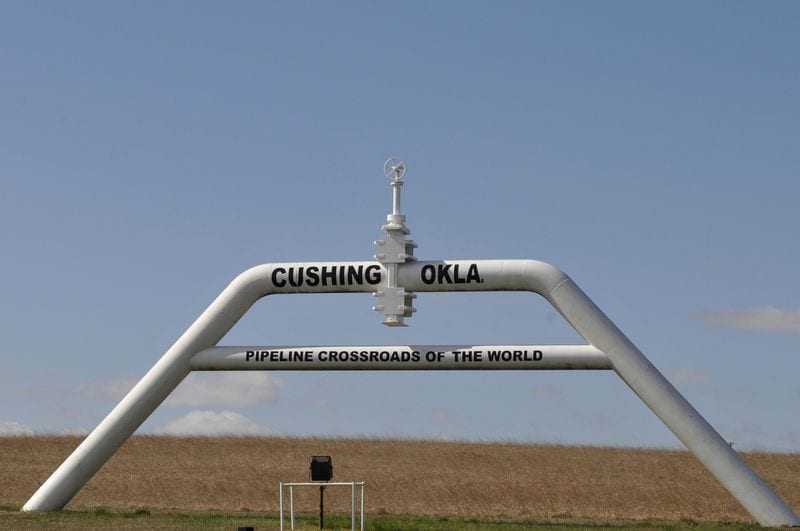
- The pipeline is proposed to run from Guernsey, Wyoming, to Cushing, Oklahoma.
- The project aims to increase Canadian crude exports to the U.S. by over 12%.
- It will utilize some previously built Keystone XL pipe in Canada.
- A presidential permit for the cross-border project has been granted by U.S. President Donald Trump.
South Bow and Bridger Pipeline are planning a joint venture to construct a new oil pipeline stretching from Guernsey, Wyoming, to Cushing, Oklahoma. This initiative aims to bolster Canada's crude oil exports to the United States, potentially by over 12%, by providing much-needed takeaway capacity.
The project intends to leverage a corridor previously acquired by South Bow and will incorporate some of the existing, idle Keystone XL pipeline infrastructure in Canada. U.S. President Donald Trump has signed an order granting a cross-border permit for the project, which represents a different route through the U.S. compared to the original Keystone XL.
South Bow is actively seeking firm commitments from Canadian oil shippers for a capacity of 450,000 barrels per day. Bridger Pipeline has submitted a proposal for a 645-mile segment of the line, running from Montana to Guernsey, Wyoming. Analysts, however, point out that Guernsey is not a primary crude oil market, necessitating the construction of additional links to reach major refining hubs like Cushing, Oklahoma, and the U.S. Gulf Coast.
This new pipeline plan emerges as South Bow, spun off from TC Energy, seeks to revive aspects of the canceled Keystone XL project. The company has been engaging with landowners and communities along the proposed route, and has launched an open season for its proposed Prairie Connector pipeline. Despite the presidential permit, the project still requires state regulatory approvals and faces potential environmental and legal challenges.