Key facts
- The Simandou project in Guinea is one of the world's largest untapped iron ore deposits.
- Infrastructure challenges, including lack of roads, electricity, and skilled workers, were significant.
- Chinese companies imported equipment, trained local workers, and brought in experienced technicians.
- The first shipment of 200,000 tonnes of high-grade iron ore departed Guinea for China on December 2, 2025.
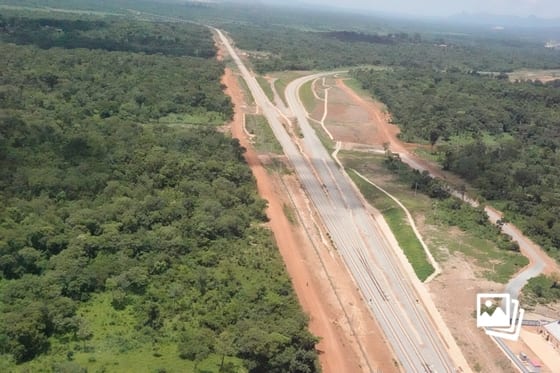
- The project required the construction of a 70-kilometer railway and a new deep-water port.
Deep in Guinea's mountains, Chinese engineers encountered significant infrastructure hurdles in developing the Simandou iron ore project, home to the world's largest untapped high-grade reserves. Challenges included a lack of proper roads, electricity, and skilled labor, compounded by a relentless rainy season. To overcome these, equipment was imported from China, local workers were trained from scratch, and hundreds of experienced technicians were flown in.
The Simandou deposit, discovered in the 1990s, had remained undeveloped for nearly three decades due to its remoteness (over 600 kilometers from the coast) and Guinea's insufficient infrastructure, including railways, ports, and reliable power supply. Political instability and corporate intrigue also contributed to delays. Traditional international mining investors found the upfront costs and long payback periods prohibitive.
Global mining giants like Rio Tinto had previously entered and exited the project multiple times, unable to surmount these systemic challenges. The project's success was ultimately enabled by a new, system-based solution centered on Chinese enterprises, but organized differently. Winning International Group, a Singapore-based company, played a key early role in commercial structuring and coordination. Chinese state-owned enterprises such as Chinalco and Baowu, along with infrastructure giants China Harbour Engineering and China Railway, provided capital, technology, and engineering expertise.
Rio Tinto retained a quarter share, contributing technical standards and international market credibility. The Guinean government also participated through equity stakes. This diversified ownership structure helped spread risks and improve resilience against political uncertainty. On December 2, 2025, the first shipment of 200,000 tonnes of high-grade iron ore departed from the port of Morebaya, bound for China, marking the beginning of full-scale development.