Key facts
- Russia has added a new LNG tanker, the Arctic Express, to its 'dark fleet'.
- The Arctic Express is ferrying sanctioned Russian gas from the Arctic LNG 2 project.
- The Arctic LNG 2 project has increased production and export volumes, with China as a key buyer.
- India has rejected offers to buy Russian LNG due to sanctions, citing tracking difficulties.
- India continues to purchase significant volumes of discounted Russian crude oil.
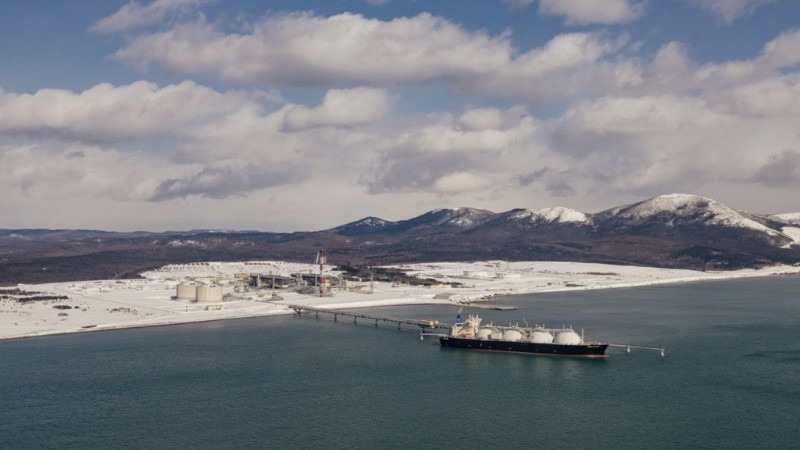
Russia has incorporated a new vessel, the Arctic Express, into its 'dark fleet' to transport liquefied natural gas (LNG) from the U.S.-sanctioned Arctic LNG 2 project. This move coincides with an increase in production from the project, which has China as a significant buyer.
The 19-year-old Arctic Express, formerly the Queen Cassiopeia, was re-flagged to Russia and transferred to St. Petersburg-based SMP Techmanagement LLC in mid-May. It is now among at least 21 vessels suspected of carrying sanctioned Russian gas as Moscow seeks to diversify its customer base ahead of an EU ban on long-term Russian LNG import contracts in 2027.
The Arctic LNG 2 project reported a record export volume of over 400,000 metric tons of LNG in May 2026, with approximately 2.6 million metric tons shipped in the past year. In contrast, India has refused to accept Russian LNG cargoes, citing the difficulty of concealing such shipments due to distinct infrastructure and satellite tracking, unlike seaborne crude oil transfers.
Despite rejecting LNG, India continues to purchase substantial quantities of discounted Russian crude oil. In March, the U.S. Treasury Department issued a sanctions license allowing Indian refiners to buy stranded Russian cargoes to address shortages amid the Iran war, underscoring India's prioritization of energy security and commercial interests.