Key facts
- Four major South Korean refiners—HD Hyundai Oilbank, SK Energy, GS Caltex, and S-Oil—have been indicted.
- The indictment is for alleged price-fixing totaling 26 trillion won (approximately $17 billion).
- The alleged collusion occurred after the U.S.-Iran war outbreak in late February.
- HD Hyundai Oilbank and SK Energy are accused of directly colluding on price increases.
- GS Caltex and S-Oil are accused of following the price hikes set by the other two companies.
- Prosecutors stated the refiners engaged in chronic collusive practices during the international crisis.
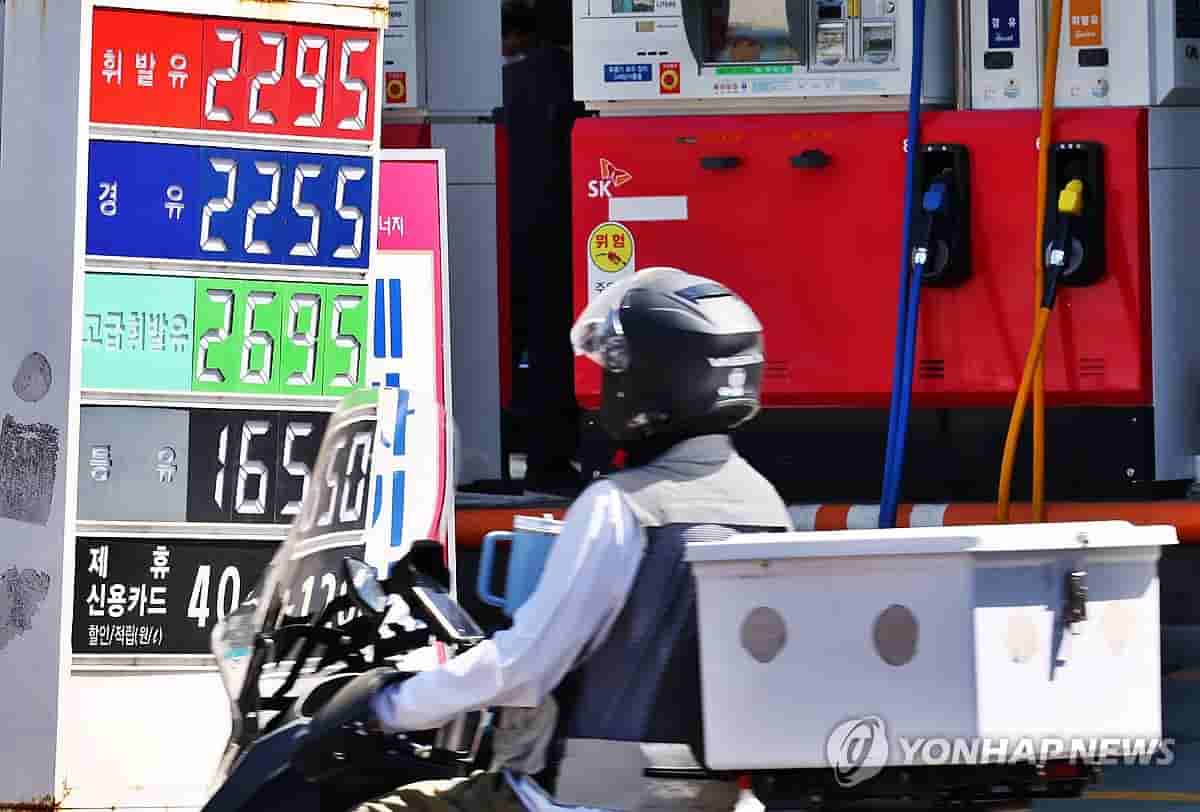
Prosecutors in Seoul announced on Monday the indictment of four major South Korean refiners and several company officials in a 26 trillion-won (US$17 billion) price-fixing case. The alleged collusive activities, which prosecutors claim raised petroleum product prices, occurred following the outbreak of the U.S.-Iran war earlier this year.
HD Hyundai Oilbank Co., SK Energy Co., GS Caltex Corp., and S-Oil Corp. face charges of violating the fair trade act. According to the Seoul Central District Prosecutors Office, the war triggered sharp increases in global energy prices in late February, prompting the alleged price manipulation.
Prosecutors accused HD Hyundai Oilbank and SK Energy of direct collusion amounting to 14.2 trillion won. GS Caltex and S-Oil were accused of matching the rigged price hikes, contributing to a total market impact of around 26 trillion won. The investigation found that HD Hyundai Oilbank and SK Energy colluded on the timing and scale of price increases for petroleum products after the war began.
GS Caltex and S-Oil, which typically base their pricing on HD Hyundai Oilbank and SK Energy's domestic market levels, reportedly followed suit, leading to overall price increases in South Korea. Prosecutors believe the refiners implemented aggressive price hikes despite having stockpiled significant amounts of crude oil when the conflict started.
The prosecution stated that the collusion, which occurred immediately after the war, was not an isolated incident but indicative of chronic collusive practices exploited during an international crisis.