Key facts
- Oil prices surged to their highest level in over six weeks.
- Brent crude futures rose 2% to $96 per barrel, while WTI crude futures increased 1.7% to $88.27.
- Escalating U.S.-Iran tensions and Houthi threats to shipping in the Red Sea and Strait of Hormuz fueled the price increase.
- The U.S. military conducted a 12th consecutive night of attacks on Iran.
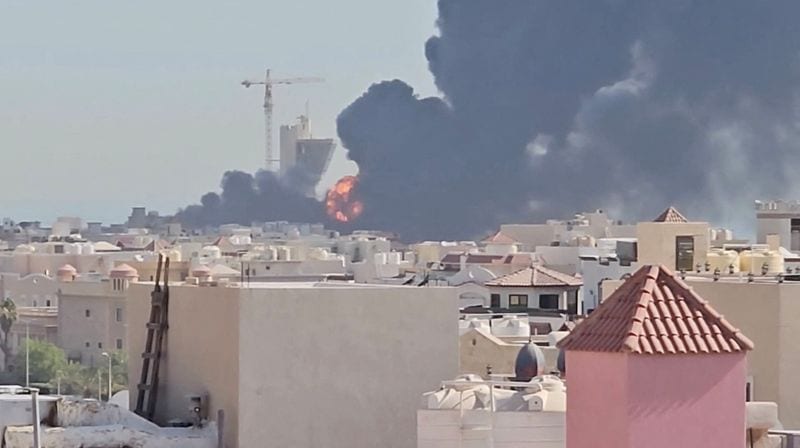
- Iran's Revolutionary Guards reported an oil tanker explosion and warned of mines in the Strait of Hormuz.
- The Houthis threatened to target Saudi oil tankers and announced a naval blockade of Saudi Arabia.
- U.S. crude inventories unexpectedly increased by 2 million barrels last week.
Oil prices surged over 3% to their highest level in more than six weeks on Thursday, driven by escalating geopolitical tensions in the Middle East and threats to crucial shipping routes. Brent crude futures rose 2% to $96 per barrel, while U.S. West Texas Intermediate crude futures increased 1.7% to $88.27.
The U.S. military reported conducting a 12th consecutive night of attacks on Iran, following President Donald Trump's vow to retaliate against any Iranian attacks on ships. Iran's Revolutionary Guards reported an oil tanker caught fire after an explosion in a mined route south of the Strait of Hormuz and warned that the strait was under their control and "completely closed."
Adding to supply disruption fears, the Iran-aligned Houthis threatened to target vessels carrying Saudi oil in the Bab el-Mandeb Strait and announced a naval blockade of Saudi Arabia. Maritime security reports indicated one of the vessels named by the Houthis had been hit in the Red Sea.
Despite these supply concerns, U.S. crude inventories unexpectedly rose by 2 million barrels last week, according to the Energy Information Administration, contrary to analyst expectations.