Key facts
- The Port of Churchill in Manitoba will resume grain exports for the first time since 2020.
- Arctic Gateway Group is loading grain onto the Hudson Bay Railway for transport to the port.
- The port will also export critical minerals and potash.
- The federal and Manitoba governments have committed C$262.5 million (US$187 million) to upgrade the port and railway.
- Critics question the viability due to a short shipping season and high costs.
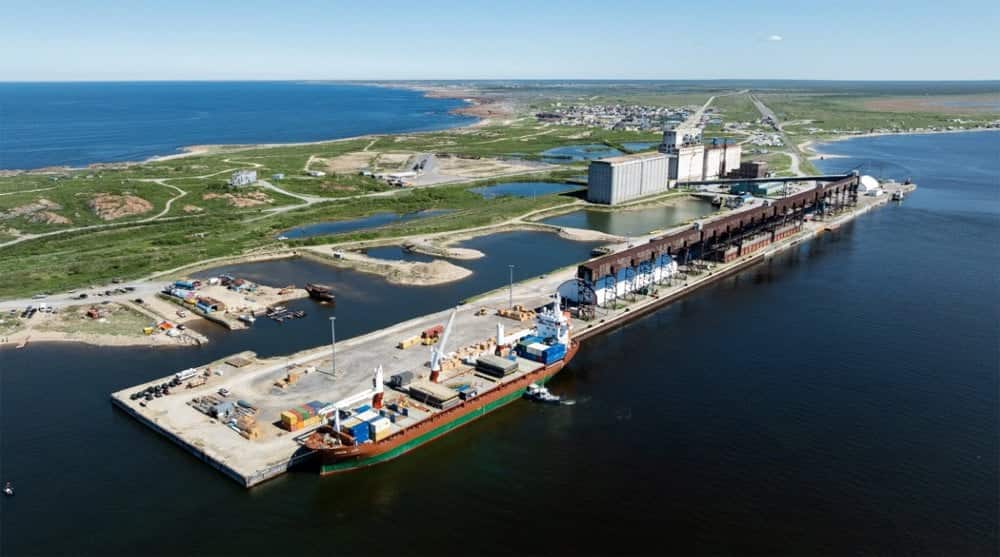
The Port of Churchill in northern Manitoba is set to resume grain exports for the first time since 2020, signaling a revitalization effort for the Arctic port. Arctic Gateway Group, the port's owner, is loading prairie grain onto the Hudson Bay Railway for transport. Multiple export vessels are expected to ship the grain to global markets later this summer.
In addition to grain, the port will also handle exports of critical minerals and potash. The port also serves as a vital link for supplying goods to Indigenous communities in the Far North, with a recent supply ship departing Churchill carrying construction equipment and industrial supplies.
The federal and provincial governments of Canada and Manitoba have collectively provided C$262.5 million (US$187 million) to support upgrades to both the port and the Hudson Bay Railway. Arctic Gateway Group, which is owned by Indigenous and northern communities, acquired the railway in 2018 and has been investing in its operations.
Despite the progress, critics have raised concerns about the short shipping season, high rail and insurance costs, and the port's limited storage capacity. Supporters, however, highlight the growing potential of Arctic shipping and Churchill's role as a vital export link, particularly for businesses in Saskatchewan.