Key facts
- A microgrid is a self-contained power system that generates, stores, and manages its own electricity for a defined area.
- Microgrids can disconnect from the main utility grid and operate independently, a process known as islanding.
- Essential components of a microgrid include distributed energy resources (DERs) for generation, energy storage, and a microgrid controller.
- Factors driving the mainstream adoption of microgrids are extreme weather, rising electricity costs, and aging grid infrastructure.
- AI data centers, with their significant and growing electricity needs, are a major catalyst for microgrid deployment.
- Hyperscale companies are increasingly opting for on-site generation solutions, such as fuel cells and battery storage, to power data centers.
Microgrids, self-contained power systems that can generate, store, and manage their own electricity, are rapidly gaining prominence. Initially recognized for their ability to maintain power during disasters, as exemplified by Casa Pueblo's headquarters in Adjuntas, Puerto Rico, following Hurricane Maria in 2017, they are now being deployed across various critical sectors.
These systems can operate connected to the main utility grid, selling excess power, or disconnect entirely to function independently, a process called islanding. The U.S. Department of Energy categorizes microgrids into campus/institutional, community, remote/off-grid, and resilience-focused types, all sharing the common thread of local generation, control, and the ability to provide continuous power.
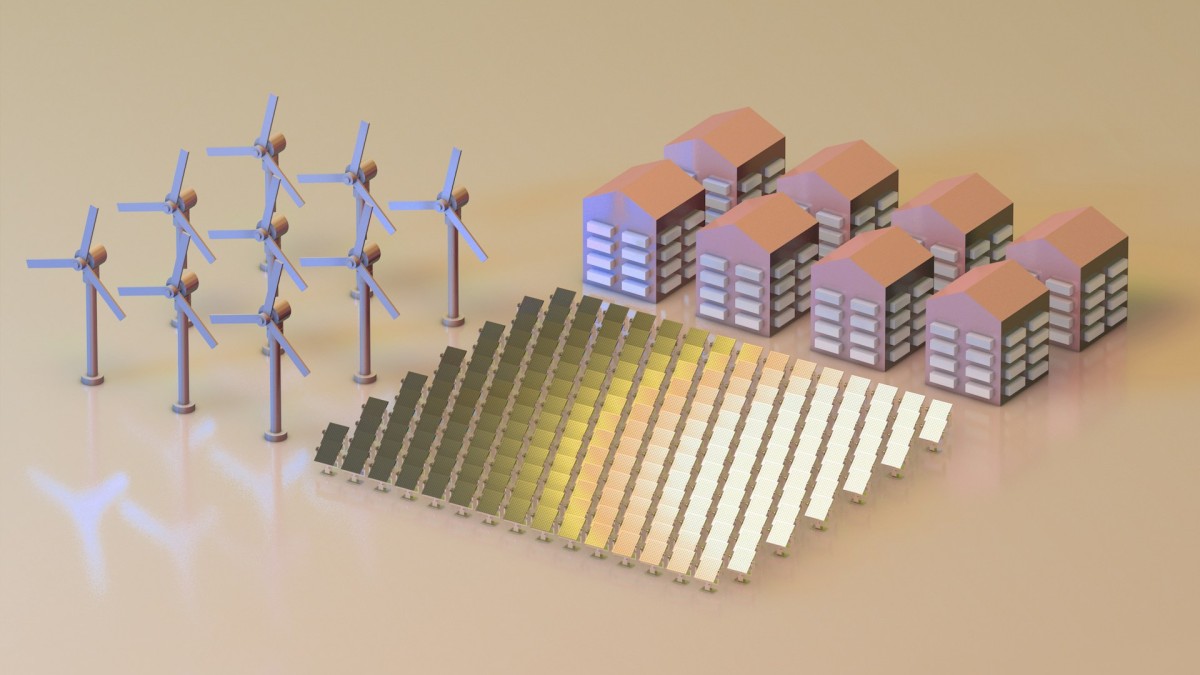
Functionally, a microgrid requires three core components: distributed energy resources (DERs) for power generation (such as solar PV, natural gas turbines, or fuel cells), energy storage systems (like lithium-ion batteries) to bridge the gap between generation and demand, and a microgrid controller that manages supply, demand, and the connection point with the utility grid, known as the point of common coupling (PCC).
The surge in microgrid adoption is driven by several factors: increasing frequency and intensity of extreme weather events, rising electricity costs, and the aging of existing power grid infrastructure. This has led to their implementation on military bases for mission-critical operations, university campuses for energy independence, and hospitals for guaranteed uptime.
Furthermore, the burgeoning demand for electricity from artificial intelligence (AI) data centers is a significant accelerator. Global data center electricity use is projected to double by 2030, with AI racks consuming substantially more power than traditional servers. The long lead times for grid interconnection are prompting hyperscalers to build their own on-site power generation, leading to substantial contracts for fuel cells and other microgrid solutions.
Microgrids are distinct from smart grids, which represent a broader, upgraded utility network with enhanced communication and automation. While different, microgrids and smart grids are increasingly designed to work together, creating a resilient 'system of systems' that can improve overall grid stability and emergency response.