Key facts
- Kazakhstan has suspended crude oil exports via the Caspian Pipeline Consortium (CPC) terminal on Russia's Black Sea coast.
- The halt follows drone attacks on two oil tankers, the Asia and Nissos IOS, near the terminal.
- The CPC terminal is a primary export route for Kazakh oil, handling approximately 1.6 million barrels per day.
- CPC confirmed oil loading operations were suspended and that no oil spill or ignition occurred.
- Russia accused Ukraine of orchestrating the attacks to destabilize global oil markets.
Kazakhstan has confirmed a halt to crude oil transfers via the Caspian Pipeline Consortium (CPC) terminal on Russia's Black Sea coast, following drone attacks on oil tankers that have escalated risks in the region. The suspension, set to begin Tuesday, jeopardizes the landlocked Asian country's ability to produce and export oil.
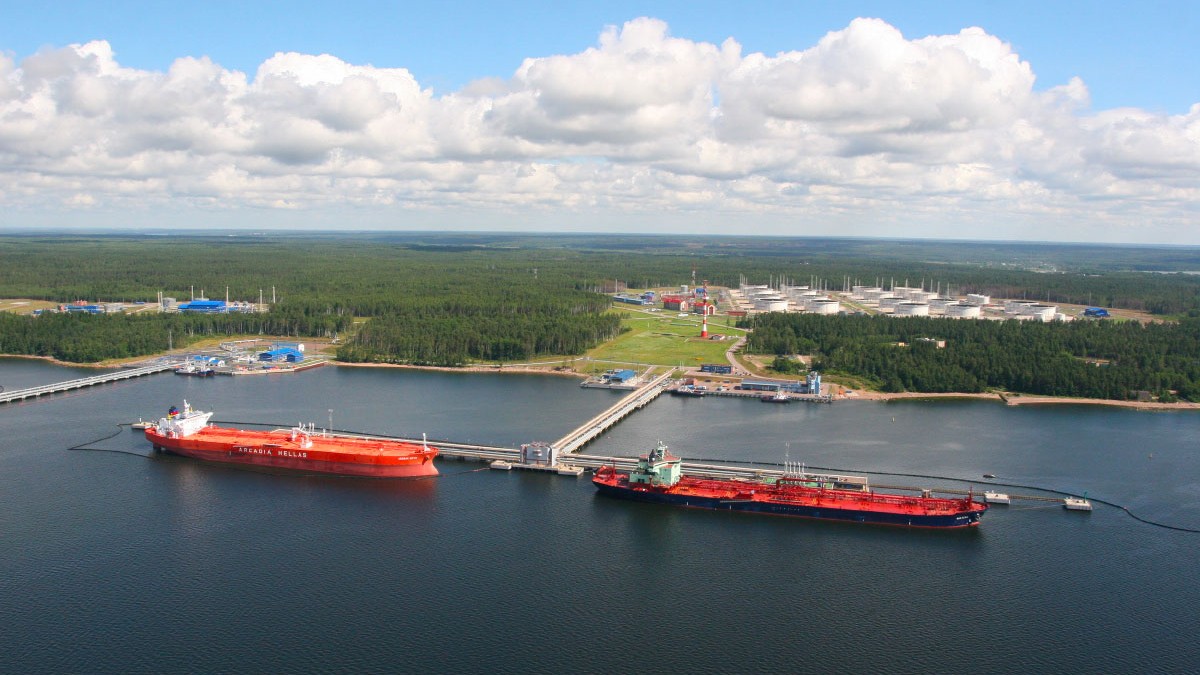
The CPC terminal, located near the Russian port of Novorossiysk, is the primary export route for Kazakh oil, handling approximately 1.6 million barrels per day out of a total of 2.1 million barrels per day in Kazakh exports. The halt was prompted after two oil tankers, the Asia and Nissos IOS, came under attack, with the Asia reportedly catching fire. CPC clarified that no oil spill occurred and no ignition was allowed in the cargo tanks, and the tankers remained afloat.
Russia has accused Ukraine of orchestrating these attacks as part of a broader strategy to destabilize global oil markets. Russian Foreign Ministry Spokeswoman Maria Zakharova stated solidarity with Kazakhstan's condemnation of the attack on a civilian facility and referenced Ukrainian President Volodymyr Zelensky's administration's alleged desire to destabilize markets. Kazakhstan's foreign ministry expressed outrage, condemning the attack and reserving its rights to seek full compensation for damages.
This is not the first time the energy route has been targeted; a section of the CPC pipeline near Novorossiysk was temporarily taken offline in a November 2025 attack. The ongoing drone war on Russian energy sites has already led to a significant drop in Russia's oil refining output.