Key facts
- Inpex will conduct trial drilling to assess undersea CO2 storage potential off the coast of Chiba prefecture, Japan.
- The Metropolitan Area CCS Project aims to capture CO2 from industrial sources in the Tokyo metropolitan area and store it beneath the seabed.
- Metropolitan CCS, a joint venture of Inpex and Kanto Natural Gas Development, received approval for offshore exploration drilling.
- The project involves drilling two wells to depths of approximately 6,230 and 5,250 feet to evaluate geological formations.
- Commercial CO2 storage operations are targeted for the early 2030s.
- The project is supported by the Japan Organization for Metals and Energy Security (JOGMEC).
Japanese energy giant Inpex is set to commence trial drilling off the coast of Chiba prefecture, near Tokyo, to evaluate the feasibility of storing carbon dioxide (CO2) beneath the seafloor. This initiative, part of the Metropolitan Area CCS Project, is a collaborative effort involving Nippon Steel Corporation and Kanto Natural Gas Development Co., Ltd., and is supported by the Japan Organization for Metals and Energy Security (JOGMEC).
The project aims to capture CO2 emissions from Nippon Steel's East Nippon Works in Kimitsu and other industrial facilities within the Keiyo coastal industrial region. The captured CO2 will be transported through a pipeline, expected to be 73 to 74 centimeters in diameter, and injected into underground geological formations off the coast of Kujukuri town for long-term storage.
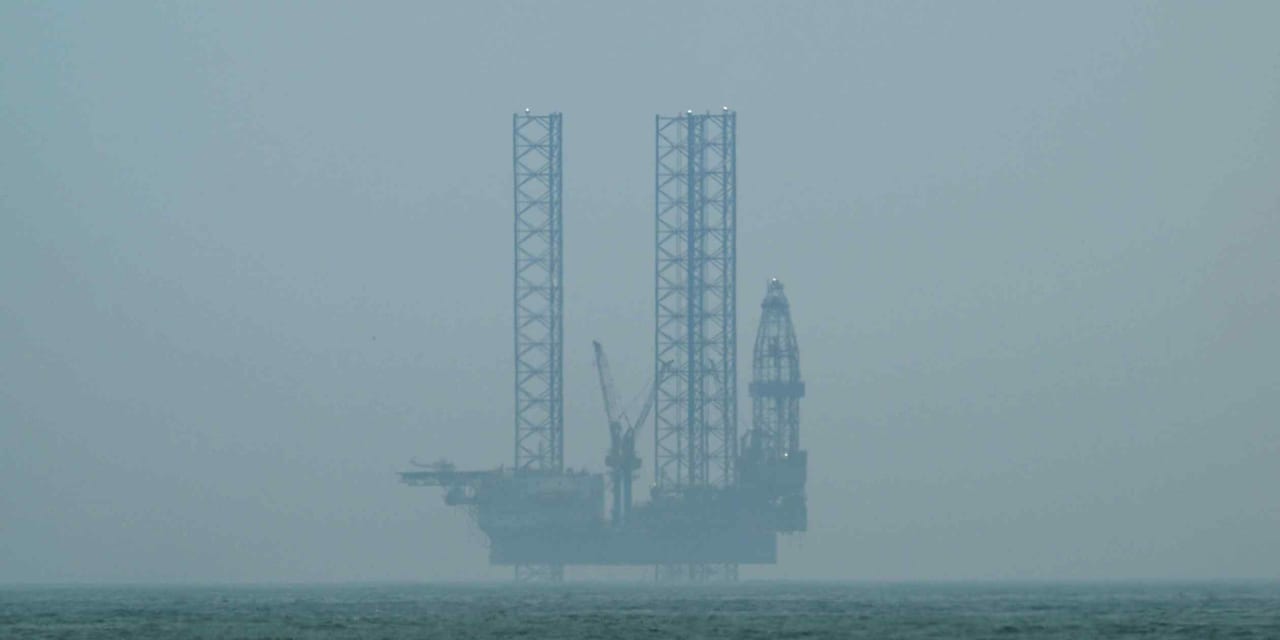
Metropolitan CCS, a joint venture established by Inpex and Kanto Natural Gas Development, has received approval from Japan's Ministry of Economy, Trade and Industry to proceed with offshore exploration drilling. The drilling operations will involve two wells, with the first targeting a depth of approximately 6,230 feet and the second around 5,250 feet, to assess the reservoir and cap rock layers within the Kazusa Group. These operations will be conducted using a jack-up drilling rig.
This project is a critical step in Japan's broader strategy to reduce industrial emissions and achieve carbon neutrality. The companies involved have begun engaging with local communities, fisheries, and regional authorities to address concerns, particularly regarding the pipeline route crossing the Boso Peninsula. Commercial operations for CO2 storage are anticipated to begin in the early 2030s, contingent on the success of the current engineering and design phases.