HomeEverything
Equities & FundsCrypto & Digital AssetsAI & TechnologyBusiness & CorporateUS Politics & PolicyGeopolitics & Global RiskMacro, Rates & FXCommodities & EnergyEuropean Politics & MarketsAsia-PacificReal Estate & Property
← All Stories

Asian Refiners Redirect Middle East Crude to U.S. as Hormuz Flows Recover

Created at 30 Jun · 11:40 AM2 sources↑ Market-relevant2 events
IN SHORT

Asian refiners are offering Middle Eastern crude cargoes to the U.S. West Coast as supply from the Persian Gulf increases with the reopening of the Strait of Hormuz. Buyers in Asia have sufficient non-Middle Eastern crude secured for the next two months.

✉Newsletter

PiQ Daily

Pick your topics. Get only what matters, on your cadence.

Key Numbers

14 million barrelsIraq's oil transport volume
14.6 million bpd to 15 million bpdMiddle East crude production rebound
2 monthsAsian buyers' crude supply duration
August 21Iranian oil sanctions waiver expiry

Who's Involved

Iraq
transporting 14 million barrels of oil via Strait of Hormuz
Asian refiners
offering Middle East crude to U.S. West Coast
Iran
renewed oil loadings from Kharg Island
Saudi Arabia
loading oil and LNG onto vessels
United Arab Emirates
loading oil and LNG onto vessels
Qatar
loading oil and LNG onto vessels
Asian Refiners Redirect Middle East Crude to U.S. as Hormuz Flows Recover

↳ Why This Matters

The redirection of Middle Eastern crude to the U.S. reflects a normalization of supply routes through the Strait of Hormuz and shifts in global refining demand. This impacts U.S. inventory levels and potentially influences domestic fuel prices.

Key facts

  • Asian refiners are offering Middle Eastern crude to the U.S. West Coast.
  • Supply from the Persian Gulf is increasing due to the reopening of the Strait of Hormuz.
  • Asian buyers have sufficient crude supplies for the next two months.
  • Middle East crude production has rebounded significantly.
  • Iran has resumed oil loadings from Kharg Island.

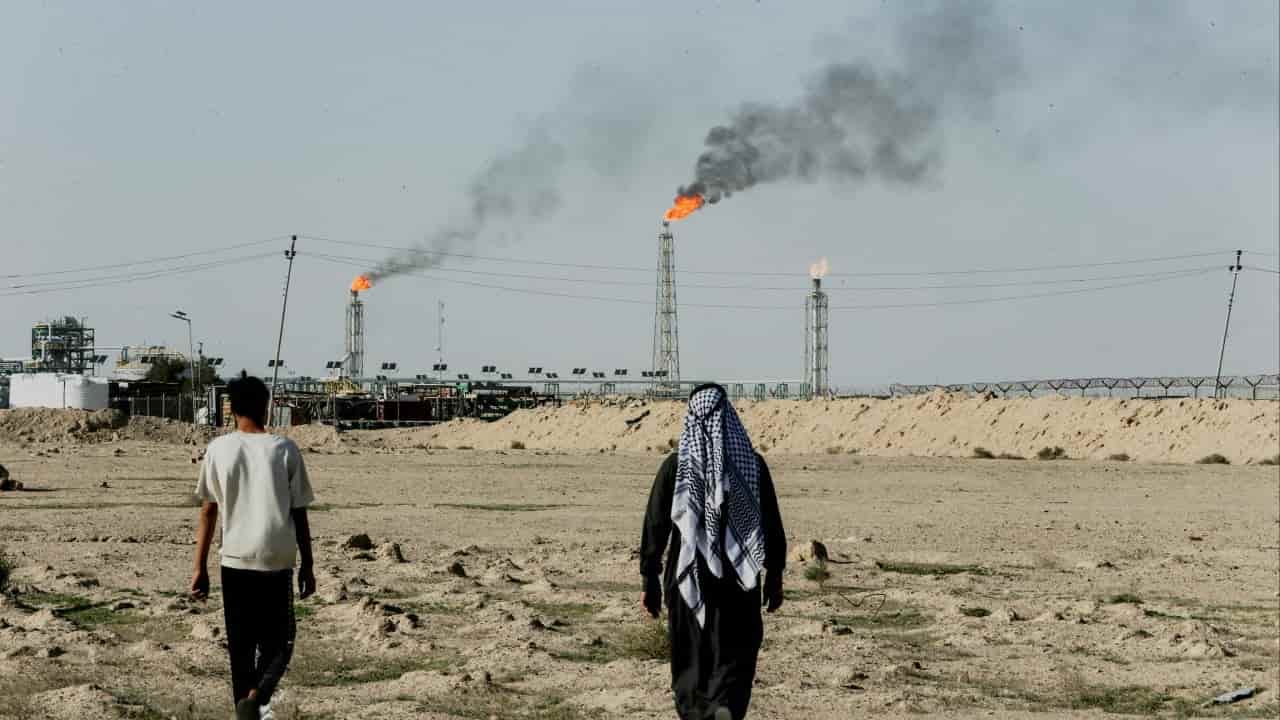
Iraq is facilitating the movement of 14 million barrels of oil through the Strait of Hormuz. Some Asian refiners are now redirecting Middle Eastern crude cargoes to the U.S. West Coast as supply from the Persian Gulf rises with the tentative reopening of the Strait of Hormuz. Asian buyers have secured sufficient non-Middle Eastern crude for the next two months, reducing their immediate need for Middle Eastern supplies. Middle East crude production has rebounded, with Iran resuming loadings from its key oil export port after a U.S. sanctions waiver.

Hawaii has not imported crude from the Middle East since 2018, and California has not received it since the end of 2025, according to estimates. Asian refiners had previously increased purchases of U.S. crude to compensate for lost Middle Eastern supply. Now, with Middle Eastern grades becoming more competitive than U.S. benchmark WTI, and with inventories at Cushing, Oklahoma, and the Strategic Petroleum Reserve at multi-decade lows, excess supply is being offered to the United States.

Frequently asked questions

The Strait of Hormuz is a vital chokepoint for global energy supplies, connecting the Persian Gulf to the open ocean. Approximately 14 million barrels of oil are transported through it.

Asian refiners have secured sufficient crude for the next two months from non-Middle Eastern sources and are seeing increased supply from the Middle East as the Strait of Hormuz reopens.

Low inventories in the U.S. make the country more receptive to imported crude, potentially influencing domestic oil prices and supply dynamics.

What Happens Next

01Monitor developments regarding the Strait of Hormuz's openness.
02Observe U.S. inventory levels at Cushing and the SPR.
03Track future crude oil purchase decisions by Asian refiners.

Get the newsletter.

Pick the topics you actually care about. We'll email when there's news worth your time, on the cadence you choose. Cancel any time from your account.

Cadence
CME Headlines
  • Amendments to the Daily Settlement Procedure Document for the Aluminum Futures Contract
    20 Jul · 1:54 PM
  • Fresh from the Trading Room: Copper’s Crossroads
    1 Jul · 7:45 AM
  • Fresh from the Trading Room: Copper’s Crossroads
    1 Jul · 7:45 AM

How It Developed

Iraq's 14 million barrels of oil are transported via the Strait of Hormuz.
Asian refiners are offering Middle Eastern crude to the U.S. West Coast.
Asian buyers have secured enough non-Middle Eastern crude for the next two months.
Hawaii and California have not imported Middle East crude since 2018 and 2025 respectively.
Middle East crude production has rebounded to between 14.6 million and 15 million bpd.
Iran has renewed loadings from Kharg Island after U.S. waived sanctions on Iranian oil sales.

Sources

T1
Iraq’s 14 million barrels of trapped oil travels through Strait of HormuzSouth China Morning Post
T1
Asian Refiners Redirect Middle East Crude to the U.S. as Hormuz Flows RecoverOilPrice.com

Related Stories

QatarEnergy raises July sulphur price
30 Jun · 9:35 AM
Asia Crude Imports Remain Below Pre-Conflict Levels
30 Jun · 1:50 PM
Oil Market Shifts From Shortage Fears to Surplus Worries
30 Jun · 5:15 AM
Asian nations boost coal use amid Iran war energy shocks
30 Jun · 7:45 AM
Trump, Treasury Secretary Urge Gas Retailers to Lower Prices
30 Jun · 1:35 AM