Key facts
- Indonesia has officially launched its B50 biodiesel mandate, requiring diesel sold domestically to contain 50% palm oil.
- The initiative aims to significantly reduce the nation's reliance on imported diesel fuel.
- President Prabowo Subianto expressed optimism about achieving full energy self-sufficiency within three to four years through expanded biofuel use.
- The government anticipates savings of up to Rp157.28 trillion in foreign exchange annually from the B50 program.
- Successful trials of B50 have been conducted on heavy equipment, ships, trains, and mining machinery.
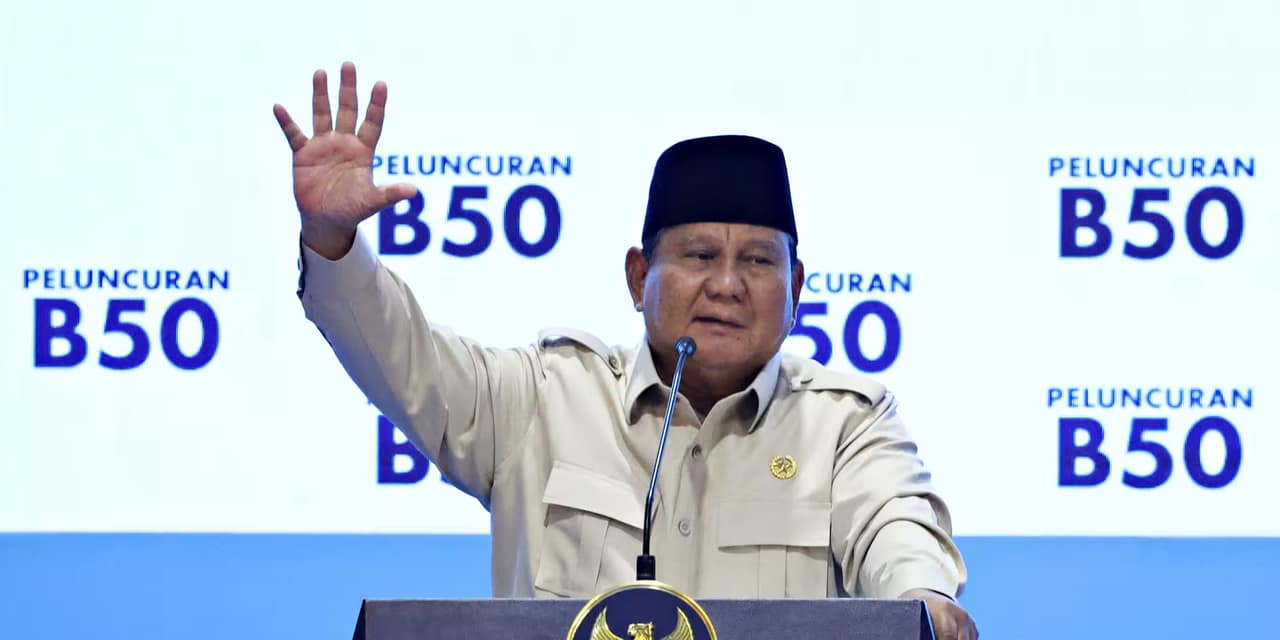
Indonesia has officially rolled out its B50 biodiesel mandate, increasing the mandatory palm oil content in all domestically sold diesel fuel from 40% to 50%. The initiative, launched by President Prabowo Subianto in West Java, is a strategic move to curb the nation's dependence on imported diesel and bolster its energy security.
President Subianto stated that the country aims to achieve full energy self-sufficiency within three to four years through increased biofuel usage and other domestic energy projects. He emphasized the importance of energy security amidst global volatility, citing tensions around the Strait of Hormuz.
Minister of Energy and Mineral Resources Bahlil Lahadalia expressed optimism that the B50 program would be implemented on July 1, 2026, following successful trials. These trials, conducted on various heavy equipment, ships, trains, and mining machinery, have yielded positive results. The government estimates that the B50 program could save up to Rp157.28 trillion in foreign exchange annually.