Key facts
- India's monsoon rainfall is currently 43% below normal.
- 315 districts across the country are likely to receive below-normal rainfall.
- The India Meteorological Department has forecast a below-normal monsoon for 2026.
- Kharif crop sowing is down by as much as 39% compared to the previous year.
- Crops most vulnerable to deficient rainfall include rice, pulses, soybean, cotton, and sugarcane.
- The Reserve Bank of India has identified a deficient monsoon as a key risk to inflation and growth.
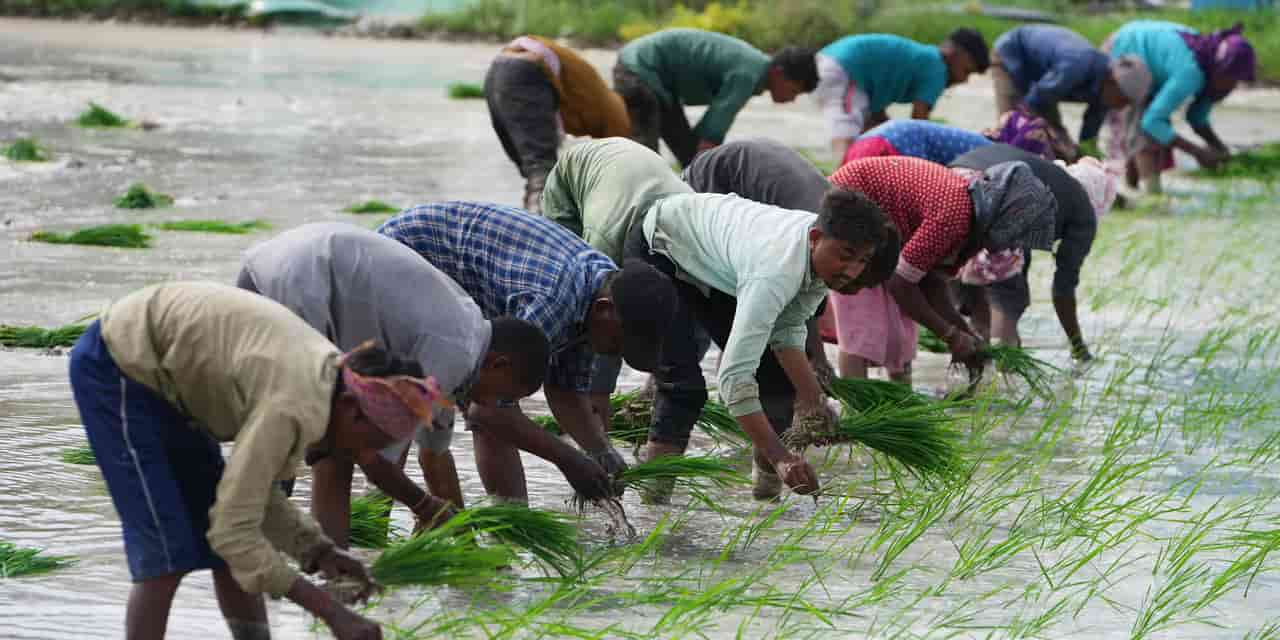
India is facing concerns over food inflation due to below-average and uneven rainfall during its monsoon season, impacting the sowing of key kharif crops. The India Meteorological Department (IMD) has forecast a below-normal monsoon for 2026, with rainfall currently running 43% below normal. Agriculture Minister Shivraj Singh Chouhan has identified 315 districts as vulnerable to deficient rainfall, potentially affecting crop yields and farm incomes.
The monsoon deficit is critical as it accounts for nearly 70% of India's annual rainfall, and almost half of the country's farmland relies on rain due to limited irrigation. Crops such as rice, pulses, soybean, cotton, and sugarcane are particularly vulnerable. To mitigate risks, states are advised to encourage farmers to shift to less water-intensive crops.
The Reserve Bank of India (RBI) has also flagged the deficient monsoon and potential El Niño conditions as key risks to inflation and economic growth. Historically, weak monsoons have led to significant increases in food inflation, though the extent varies by drought severity. Consumer inflation is already expected to have moved above the RBI's target in June, with monsoon concerns adding to price pressures.