Key facts
- LNG shipments via the Strait of Hormuz have stopped due to renewed U.S.-Iran hostilities.
- Oil tanker traffic through the Strait of Hormuz has significantly decreased.
- Asian LNG prices have surged to March highs.
- Analysts predict the conflict escalation will impact gas markets more severely than oil.
- A Malta-flagged oil products tanker halted at anchor near Oman due to transit fears.
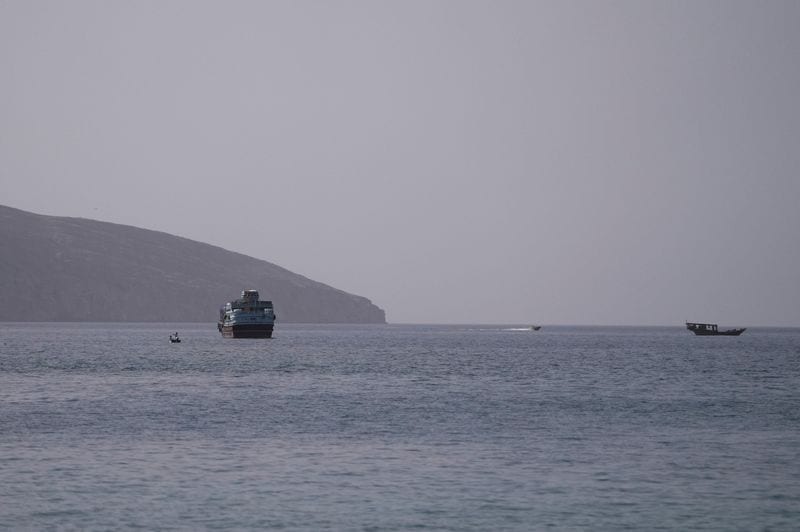
Liquefied natural gas shipments via the Strait of Hormuz have reportedly stopped due to renewed U.S.-Iran hostilities, significantly reducing oil tanker traffic. Analysts predict the conflict escalation will impact gas markets more severely than oil, referencing a slower recovery in LNG flows compared to oil after a previous ceasefire. Asian prices for liquefied natural gas have surged to March highs, with the regional benchmark adding 25% over the last four weeks and over 60% annually. In the week to July 16, spot LNG prices in Asia gained 10%, reaching $20.2 per million British thermal units. This price surge reflects military developments, despite Qatar's efforts to increase production. Data from LSEG indicates that since Friday, at least four tankers have entered the Strait of Hormuz to load in the Gulf, but none were LNG carriers; three were likely oil product carriers, and one was a Very Large Crude Carrier. Earlier in July, Persian Gulf oil and condensate exports had briefly recovered to pre-war levels, reaching 12-13.6 million barrels daily, a 16% increase from June, with Iran, Iraq, and Saudi Arabia showing the largest gains. However, this recovery is now threatened by the ongoing conflict. An empty Malta-flagged, Greece-managed oil products tanker, the Kavomaleas, halted at anchor in the Strait of Hormuz near Oman early Monday as vessel owners and operators grow wary of transiting the Strait. The tanker's AIS tracking system was reportedly switched off when it began its journey inbound into the Gulf.