Key facts
- Turkey and Iraq are in talks for a new, comprehensive energy cooperation agreement.
- Iraq has offered to supply Turkey with 1 million barrels of oil.
- The existing energy accord, which expires in July 2026, governs the Kirkuk-Ceyhan pipeline.
- The proposed deal includes cooperation in crude oil, natural gas, petrochemicals, and electricity.
- Exports through the Kirkuk-Ceyhan pipeline have been halted since a March 2023 ruling ordered Turkey to pay $1.4 billion in damages.
Turkish President Tayyip Erdogan announced on Tuesday that Turkey is pursuing a comprehensive energy cooperation deal with Iraq, with Baghdad offering to supply 1 million barrels of oil. The announcement follows talks between Erdogan and Iraqi Prime Minister Ali al-Zaidi in Ankara, occurring amidst concerns over global energy supply disruptions due to the closure of the Strait of Hormuz.
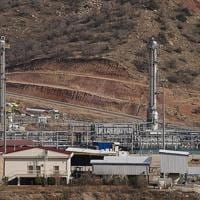
Ankara has initiated discussions with Baghdad for a new and expanded energy agreement, as Turkey's existing decades-old oil accord is set to expire on July 27, 2026. This original agreement, dating back to 1973 and renewed in 2010, provides the legal basis for the crucial Kirkuk-Ceyhan pipeline, which transports Iraqi crude oil to the Mediterranean port of Ceyhan.
The proposed new agreement aims to establish a broad cooperation mechanism in the energy sector, encompassing long-term collaboration in crude oil and natural gas projects, hydrocarbon field development, joint investments in petrochemicals and refining, and initiatives in electricity generation and transmission. Talks are already underway to explore a more extensive framework for the transport of Iraqi crude oil to Turkey and international markets through Turkish infrastructure.
An Iraqi Oil Ministry official confirmed that Turkey has submitted a draft proposal to renew and expand the existing energy pact. The ministry is currently reviewing the proposal and negotiating with Ankara to reach terms that serve the interests of both nations. The Kirkuk-Ceyhan pipeline system has a total daily transport capacity of 1.5 million barrels, and future arrangements for allocating capacity for Iraqi oil exports will be addressed.
Exports through the Kirkuk-Ceyhan pipeline have been halted since March 2023, when an arbitration tribunal ruled in Iraq's favor, ordering Turkey to pay $1.4 billion in damages related to underpriced sales and excess transit fees. Efforts to resume oil flows gained momentum in 2025 after Iraq's federal government and the Kurdistan Regional Government (KRG) reached a new agreement, including subsidies and a fixed transport fee of $16 per barrel.