Key facts
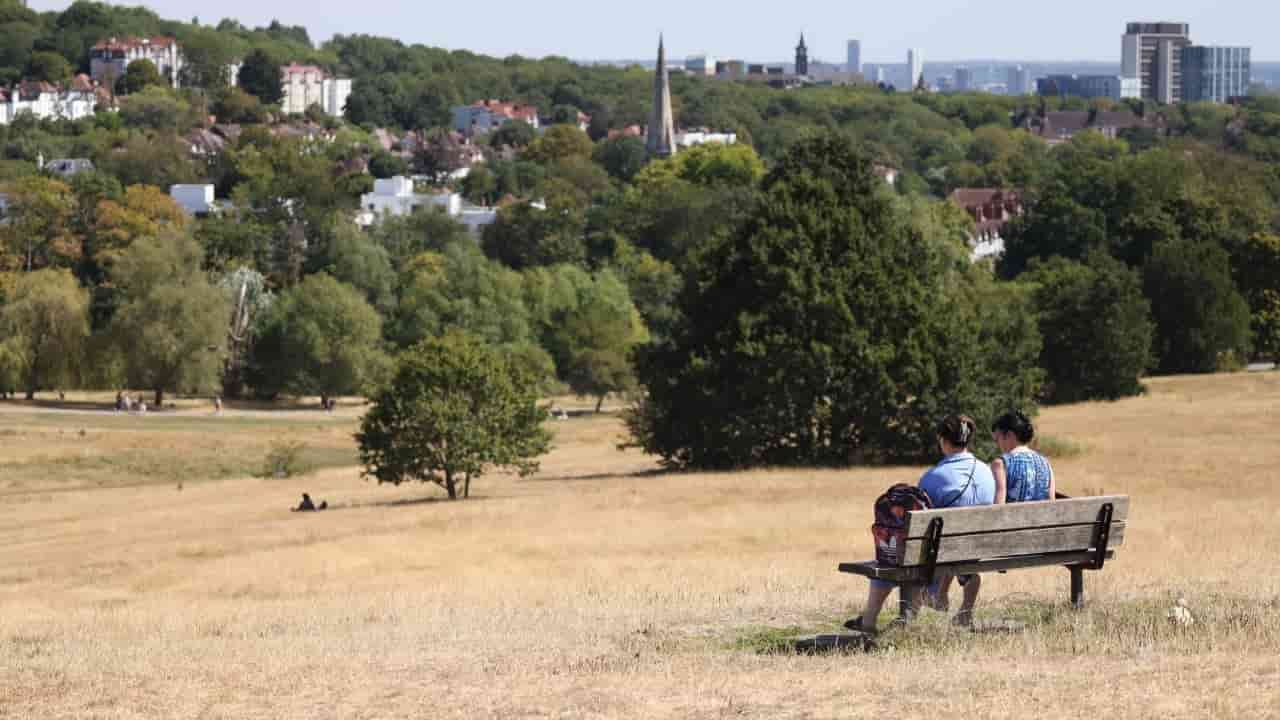
- Drought has been officially declared in almost three-quarters of England.
- This is the first drought declaration since 2018.
- 71.3% of England is now in drought, following the driest July on record.
- 45 million people live in drought-affected areas, with over 27 million facing water restrictions.
- Low rainfall and high temperatures are contributing factors, exacerbating wildfire risk.
The UK government has declared a drought in almost three-quarters of England, following a prolonged period of dry weather and record-breaking July temperatures. This marks the first drought declaration since 2018, with 71.3% of the country now officially in drought conditions. The National Drought Group made the decision after noting exceptionally low rainfall and high temperatures, which have led to critically low river flows and reservoir levels.
Millions of people are now living in drought-affected areas, and over 27 million face water use restrictions. The situation is exacerbated by a "flash drought" phenomenon, which develops rapidly due to a combination of very low rainfall and higher temperatures. While some rain is forecast for Sunday, drought conditions are expected to persist until significant and sustained rainfall occurs.
Farmers are reporting significantly reduced crop yields and are being forced to use winter feed rations for livestock due to a lack of grass. This could lead to long-lasting impacts on the environment and potential food shortages. The government is working to facilitate the construction of more on-site irrigation reservoirs for farmers.
Low water levels are also impacting rivers, with only 14% considered normal and 22% exceptionally low. This affects navigation on rivers like the Thames and puts fish under severe stress due to warmer water holding less dissolved oxygen. The UK Health Security Agency has issued amber heat health alerts, increasing the risk of wildfires.
Experts warn that the UK is not adequately prepared for such prolonged dry weather and extreme heat, with infrastructure and the agricultural sector not ready for current and future weather patterns influenced by climate change. Climate change is shifting the odds towards hotter, drier summers, making extreme heat more likely and increasing evaporation. The developing El Niño event is also expected to further influence global climate patterns.