Key facts
- El Nino is predicted to be a record-breaking climate event.
- Thai rice prices have increased by $40-$50 per tonne in the past two weeks.
- Drought conditions are expected to severely impact Southeast Asia.
- India's monsoon season is forecast to be weaker, threatening rice and sugarcane yields.
- Brazil, India, and Thailand, major sugar producers, face reduced rainfall due to El Nino.
Markets are bracing for a potentially record-breaking El Nino event, with early signs of its impact already visible on crops in tropical regions. Thai rice prices have surged by $40 to $50 a tonne over the past two weeks, driven by anticipatory stockpiling and the prospect of drought. Industry participants in Thailand are optimistic about the second half of the year, expecting a rebound in demand anchored by El Nino's emergence.
El Nino could develop into a severe 'Super El Nino,' potentially lasting until February 2027. While its impact is expected to be minimal in North America, Europe, and Northern Asia, significant disruptions are projected for tropical agricultural zones. Unlike La Nina, which affects mid-latitude grain belts, El Nino primarily impacts tropical crops such as rice, sugarcane, coffee, cocoa, and oil palm.
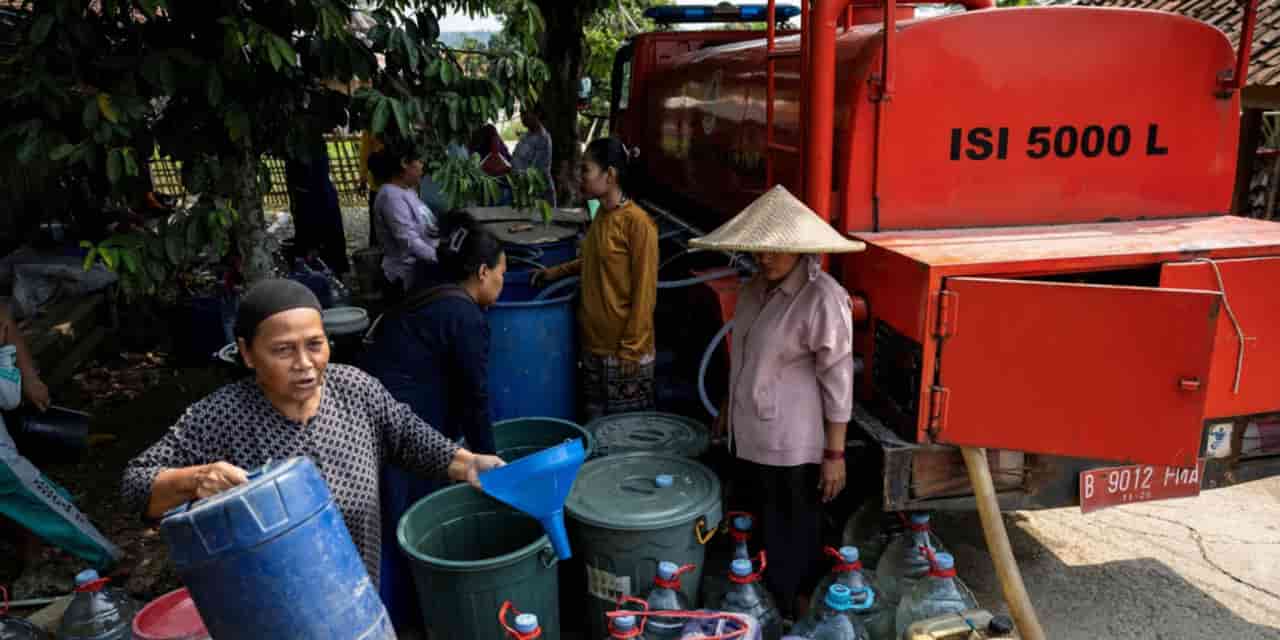
Drought conditions are anticipated to be severe across Southeast Asia, including Indonesia, Malaysia, and the Philippines, with the most anomalous dry spells projected from late September 2026 through February 2027. This will directly pressure rice production cycles in the second half of the year.
In India, forecasts indicate a weakened monsoon season, with the onset delayed and strength diminished. This adverse pattern, expected to be most pronounced between August and October 2026, threatens both crop yields and sugar cane production, as Indian rice cultivation heavily relies on robust monsoon rainfall.
Conversely, southern China is forecast to experience excessive rainfall and flooding, complicating supply forecasts. The divergence highlights El Nino's ability to reshape regional weather in opposing directions.
The emergence of El Nino is also expected to reduce rainfall in Brazil, India, and Thailand, the world's three largest sugar-producing regions. This could lead to lower cane biomass growth and potentially shorter crushing campaigns. India's meteorological service has lowered its accumulated precipitation estimate for the June-to-September monsoon to 90% of the historical average. Dryness in Indonesia, particularly Java, also poses stress risks for local cane stands, potentially amplifying regional demand for sugar imports.