Key facts
- Cuba experienced a nationwide blackout on Monday due to fuel shortages and an aging electrical grid.
- This marks the third such outage on the island this year.
- The state electricity company reported a total disconnection from the national system and is investigating the cause.
- Rolling blackouts have been implemented across the country, with some exceeding 24 hours.
- Efforts are underway to restart thermoelectric plants and gradually restore power.
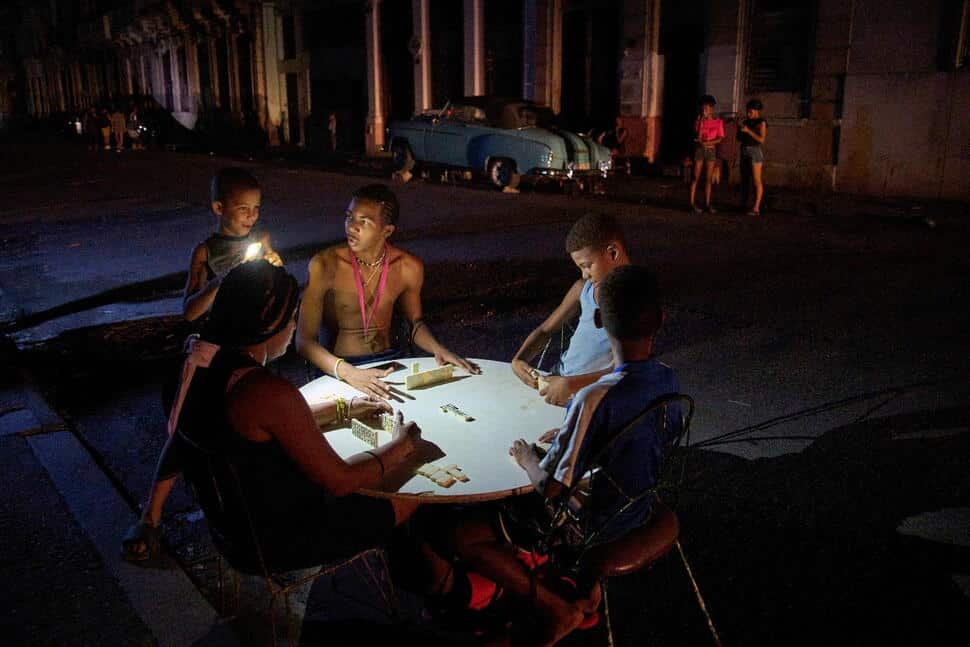
Cuba suffered its third nationwide power outage since the start of the year on Monday, a crisis attributed to dwindling fuel reserves and a severely aging electrical grid. The state electricity company, UNE, reported a total disconnection from the national system and stated that the causes were under investigation. This blackout is the eighth on the island since late 2024, highlighting a deepening energy crisis exacerbated by a January oil blockade imposed by the U.S. that has depleted fuel supplies for power plants. The country produces only 40% of its fuel needs, and a recent shipment from Russia has already been consumed. The government has been implementing increasingly severe rolling blackouts, some lasting over 24 hours in Havana and over 70 hours in rural areas, in a bid to conserve fuel. The electricity generation system, largely composed of Soviet-era plants, is in disrepair. Efforts are underway to restart thermoelectric plants and gradually restore power, with a small percentage of Havana's residents regaining electricity by Monday night. Solar power, while increasing, still constitutes only 10% of the energy mix.