Key facts
- Crypto exchanges now offer 24/7 trading of derivatives like perpetual futures, a stark contrast to traditional commodity markets that close on weekends.
- This new capability allows traders to hedge positions and manage risk outside of traditional market hours.
- The growth of crypto derivatives trading has begun to narrow the 'weekend effect' in oil options, where implied volatility was historically lower on Fridays.
- Energy Aspects research suggests continuous futures availability could increase hedging sessions by 40%.
- While retail trading volume on crypto perps has increased, institutional adoption is still limited by liquidity concerns.
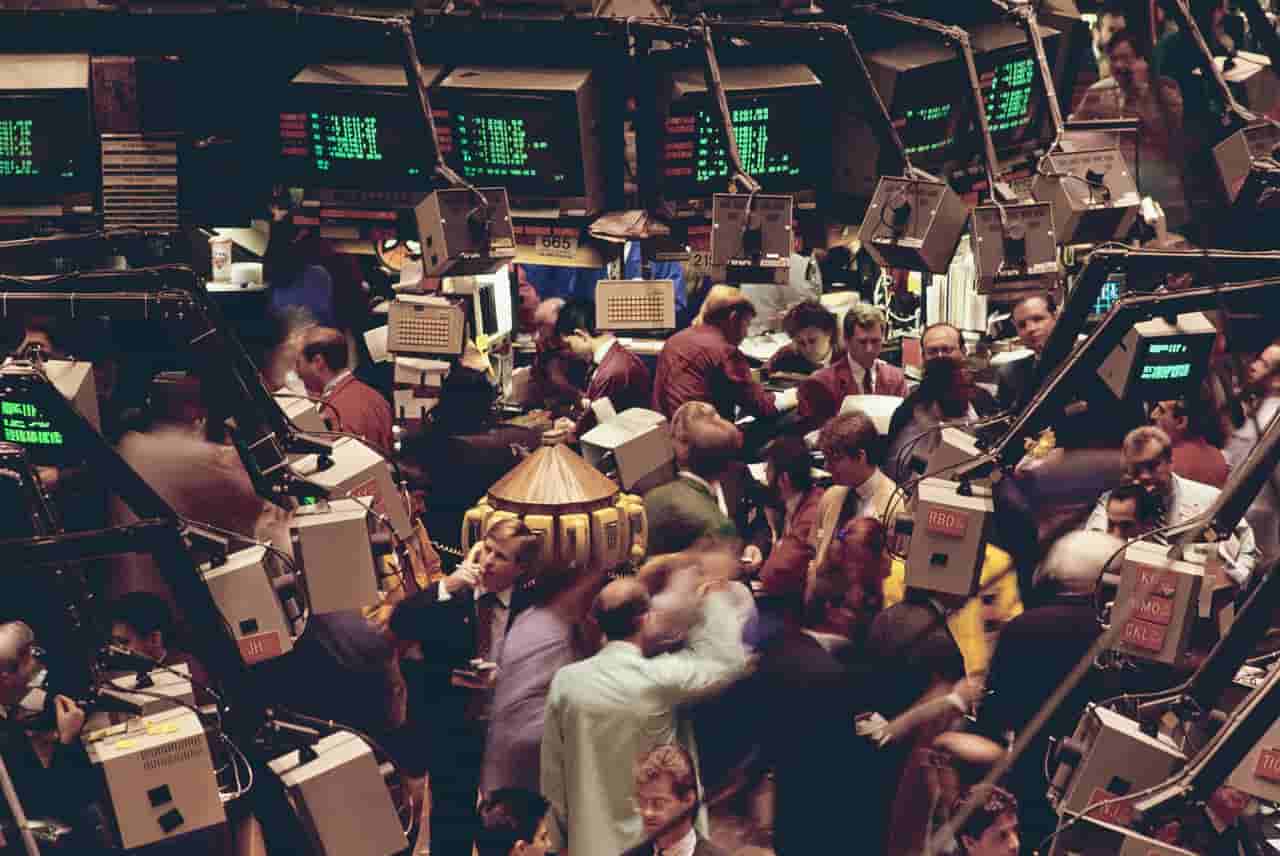
The traditional Wall Street trading routine, which involves reducing risk exposure before markets close for the weekend, is being challenged by the rise of 24/7 cryptocurrency exchanges. These platforms offer perpetual futures contracts for commodities like oil, allowing traders to hedge positions and react to global events even when traditional markets are shut.
This shift was highlighted in March when tensions between Iran and Israel led to a surge in weekend trading volume on crypto exchanges, with decentralized exchange Hyperliquid reaching a record $1.2 billion in active contracts. While still smaller than weekday volumes, this weekend activity has grown significantly, prompting analysis from firms like Energy Aspects. They suggest that the availability of continuous trading could narrow the long-standing 'Friday discount' in oil options implied volatility, as traders can now hedge weekend risk more effectively.
CME Group has announced plans to introduce 24/7 contracts for WTI crude and gold, but regulatory hurdles, specifically from the Commodity Futures Trading Commission (CFTC), have emerged. Despite these developments, widespread institutional adoption by large Wall Street firms remains limited, primarily due to insufficient liquidity in these crypto-based derivatives markets, although interest is growing.
Traders acknowledge the value of being able to hedge over the weekend, noting that having more venues to manage risk, even if currently dominated by retail activity, is a significant change from the previous 'zero' options for weekend hedging.