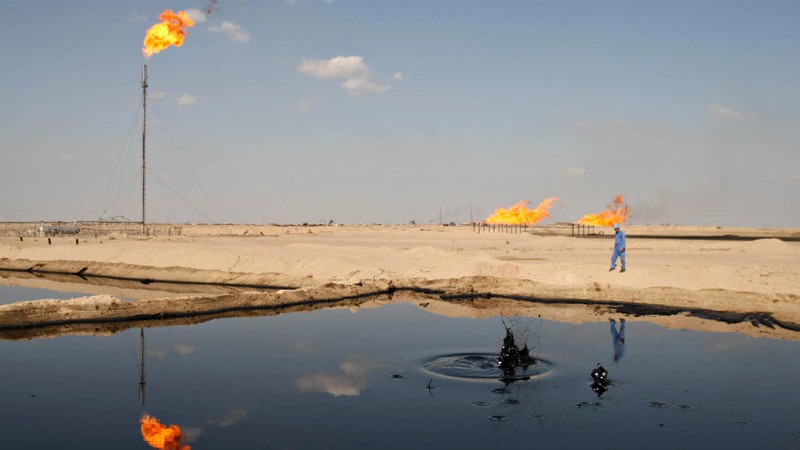
Chevron is moving closer to developing two significant Iraqi oil projects, West Qurna 2 and Nassiriya, by signing two memoranda of understanding. These agreements are not binding but represent progress in negotiations for what could become one of Chevron's largest upstream investments. West Qurna 2, a giant field currently producing around 460,000 barrels per day, became an Iraqi national asset earlier this year after U.S. sanctions were imposed on Russia's Lukoil. Chevron had entered exclusive talks for this field in February.
The Nassiriya project is smaller but offers substantial exploration potential. An agreement in principle was signed last year covering this field and four surrounding exploration blocks, positioning Chevron for long-term growth in Iraq, a major OPEC producer.
Beyond the oilfields, Chevron is collaborating with Iraq on technical studies for new export pipelines. These would enable crude oil to reach the Mediterranean Sea, circumventing the Strait of Hormuz. This initiative is crucial for Iraq, which heavily relies on Persian Gulf exports and faced production cuts during past Hormuz-related crises. The United States supports rebuilding the Kirkuk-Baniyas pipeline to Syria, aiming for American involvement and providing Iraq with an alternative export route. Iraqi Prime Minister Ali al-Zaidi's visit to Houston coincides with these developments, as Iraq seeks foreign investment to increase its oil output.