Key facts
- BP is selling its North Sea oil and gas business.
- The decision is influenced by UK government tax policies.
- This move marks BP's exit from UK petrochemicals.
BP has launched a formal process to sell its North Sea oil and gas business, citing UK tax policies as a factor. The move is part of CEO Meg O'Neill's strategy to simplify the company and reduce debt.
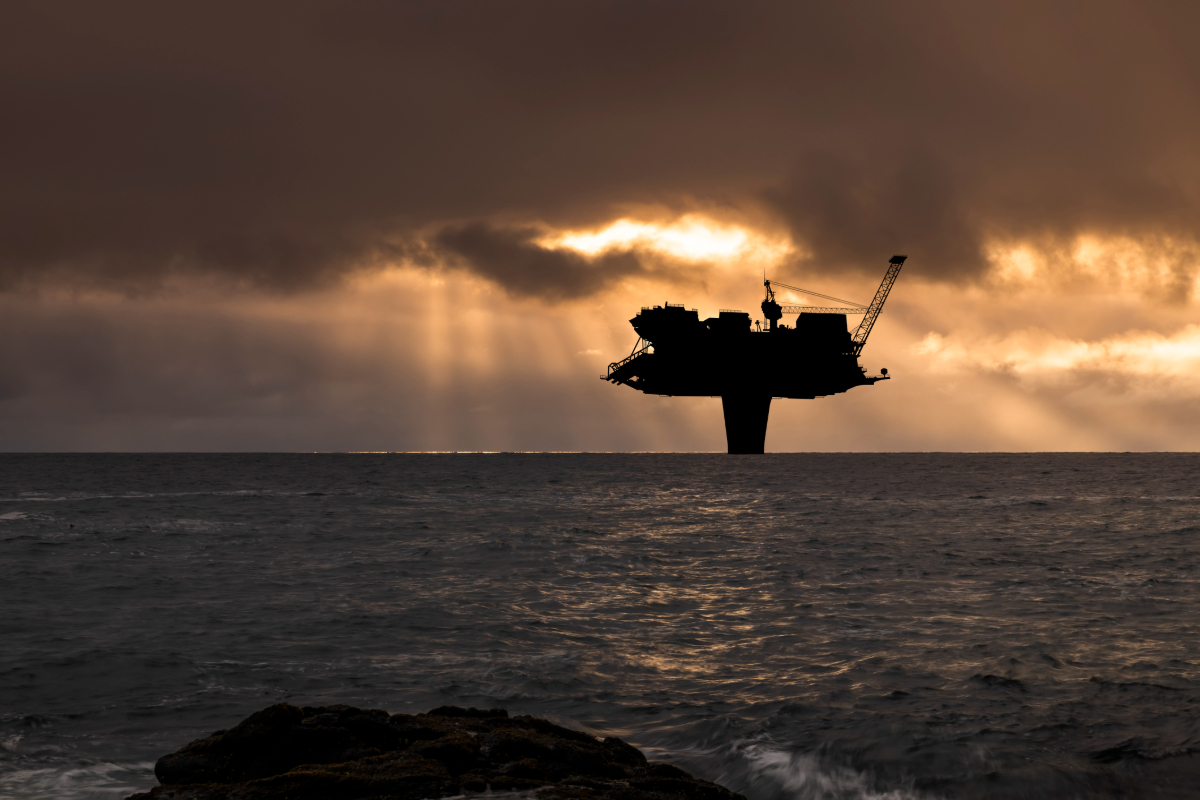
BP's exit from the North Sea signifies a shift in the company's strategic focus and highlights the impact of UK tax policies on the energy sector's investment landscape.
BP has formally begun the sale process for its North Sea business, a move influenced by UK government tax policies on domestic oil production. CEO Meg O'Neill is accelerating a sweeping portfolio overhaul aimed at cutting debt and simplifying the oil major's operations. The company intends to divest assets totaling $20 billion by year-end, having already offloaded its lubricant division, Castrol, and other less productive gas assets. BP has operated in the North Sea for over six decades and manages five major production hubs in the region, including the Clair oilfield. The restructuring involves reorganizing BP into two business segments: upstream and downstream. The company also plans to reduce its workforce by 700 employees. O'Neill stated that while the UK remains integral to the nation's energy system, BP believes its North Sea business will be better positioned under different ownership as the company directs capital to its highest-value opportunities. Energy Secretary Miatta Fahnbulleh stated she is in close contact with BP to ensure workers and the local community are protected during the sale process.