Key facts
- Around 150 workers are striking at BHP's Port Hedland iron ore operations.
- The strike includes a ship-loading ban and a 24-hour stoppage.
- This is the first major industrial action at the port in over two decades.
- Negotiations for a new bargaining agreement have been ongoing since October.
- The strike could cost BHP $100 million in revenue and the state government $7 million in royalties.
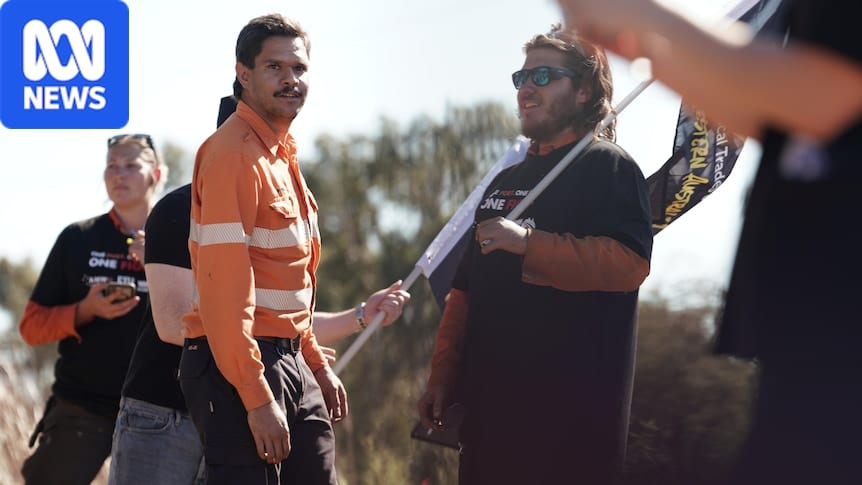
Workers are continuing a two-day strike at BHP's Port Hedland operations in Western Australia, marking the first major industrial action at the iron-ore export hub in over two decades. The strike, involving about 150 workers from three unions, includes a ship-loading ban and a 24-hour stoppage, despite ongoing negotiations for a new bargaining agreement.
Industry bodies estimate the strike could cost BHP $100 million in revenue and the West Australian government upwards of $7 million in royalties. Port Hedland is the world's largest bulk export port, handling approximately 580 million tonnes of commodities annually, with iron ore being a primary export to countries like China, South Korea, and Japan.
Unions and BHP have been in negotiations since October of the previous year, with eleven bargaining meetings held to date, including three under the oversight of the Fair Work Commission, without reaching an agreement. The unions involved are the Electrical Trades Union, the Australian Manufacturing Worker's Union, and the Western Mine Worker's Alliance, a partnership between the Australian Worker's Union and the Mining and Energy Union.