Key facts
- The Bank of Korea will purchase domestically produced gold for the first time in 13 years.
- Partnerships have been formed with LS MnM, the Korea Exchange (KRX), and the Korea Securities Depository (KSD).
- LS MnM produces gold as a byproduct of copper, brass, and zinc smelting.
- South Korean gold producers create approximately 40 to 45 tons of gold annually.
- Purchases will be conducted via over-the-counter block transactions to mitigate domestic price impact.
- The BOK also acquired gold-based ETFs in the second quarter.
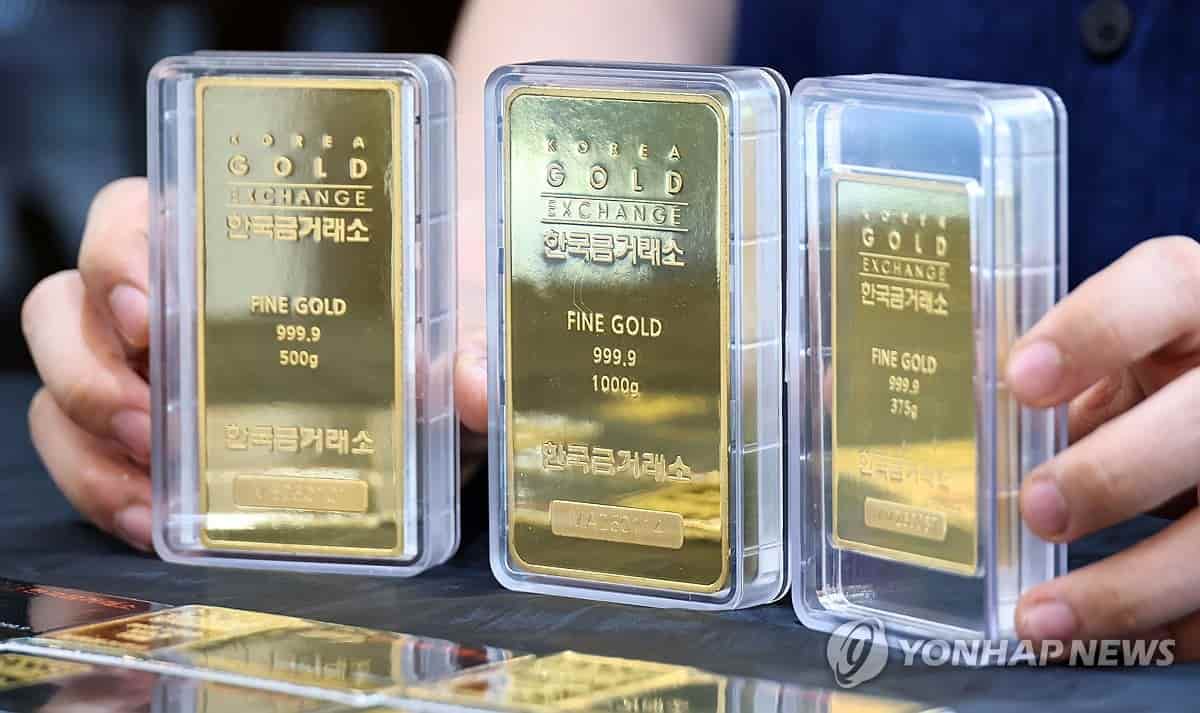
The Bank of Korea (BOK) announced on Monday its intention to purchase domestically produced gold for the first time in 13 years, utilizing over-the-counter transactions. This initiative involves partnerships with LS MnM Co., a significant copper smelting and refining company, along with the Korea Exchange (KRX) and the Korea Securities Depository (KSD).
LS MnM, one of South Korea's two primary gold producers, generates gold as a byproduct of its smelting operations. Together with Korea Zinc Co., these companies produce an estimated 40 to 45 tons of gold annually, exporting about 10 percent of this output. The BOK plans to acquire a portion of the gold intended for export, leveraging the KRX's trading and settlement infrastructure and KSD's storage facilities.
The central bank will evaluate purchase requests based on domestic and international gold prices, its own gold management strategies, and prevailing market conditions. To minimize disruption to domestic gold prices, these transactions will be conducted as large over-the-counter block deals following prior consultations on price and volume.
This new domestic purchasing channel is expected to reduce foreign exchange risks associated with previous overseas gold acquisitions, which were settled in U.S. dollars. The exact timing of these purchases will depend on the readiness of the transaction infrastructure, the producers' export schedules, and the BOK's gold holding plans.
In addition to these planned purchases, the BOK confirmed it had bought a small quantity of gold-based exchange-traded funds (ETFs) during the second quarter. These actions represent the BOK's first gold acquisitions in 13 years. As of July, the BOK held 104.4 tons of gold, ranking 39th globally among central banks. This holding has remained constant since 2013, following previous purchases in 2011 and 2012. A BOK official cited increased interest in safe-haven assets like gold due to geopolitical risks and the relatively small proportion of gold in the nation's foreign exchange reserves, coupled with recent price declines, as factors influencing this decision. South Korea's total foreign reserves stood at $427.36 billion at the end of June, with gold bullion accounting for $4.79 billion, or 1.1 percent of the total.