Key facts
- Argentine ranchers are increasing the weight of cattle before slaughter to capitalize on higher global beef prices and new trade agreements.
- Exports to the U.S. have surged by 158% in the first five months of the year, totaling $348 million.
- The EU-Mercosur trade deal, which came into force provisionally in May, is expected to open new avenues for growth.
- Analysts predict a potential 50% increase in Argentine beef exports over the next four years, with volumes possibly exceeding 1.5 million metric tons from 2029 or 2030.
- The average price of live steers in Argentina has increased by over 20% in the past year.
Argentina's beef industry is undergoing a significant shift, with ranchers increasingly fattening cattle to heavier weights to capitalize on rising global prices and new trade opportunities. This move away from a traditional focus on domestic consumption is driven by strong demand from markets including the United States, Israel, Europe, and China, bolstered by recent trade agreements.
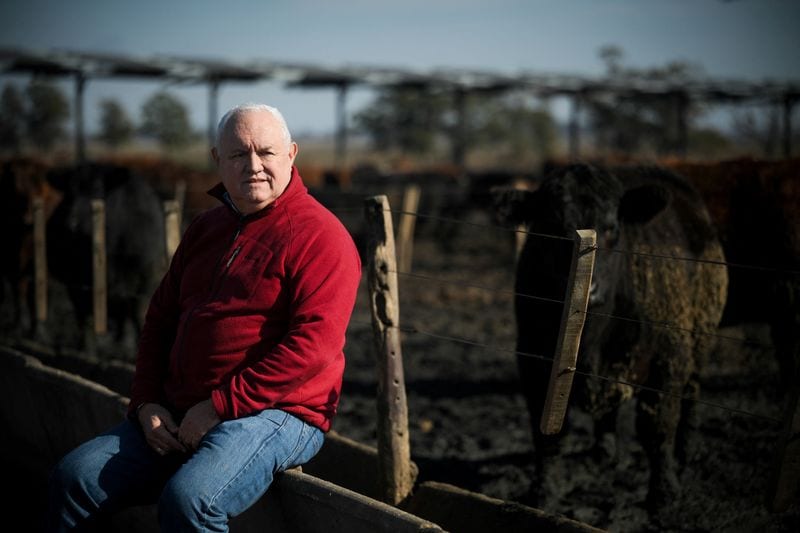
Producers like Guillermo Del Barrio are now sending cattle to slaughter at around 550 kilograms, a substantial increase from the previous average of 300 kilograms. This strategy is supported by favorable international prices and improved access to key markets. A trade agreement with the U.S. signed in February has led to a 158% surge in shipments to the U.S. in the first five months of the year, totaling $348 million. Similarly, the provisional implementation of the EU-Mercosur trade deal in May is expected to further boost exports.
Analysts at the Rosario Livestock Market (Rosgan) anticipate a 50% rise in exports over the next four years, potentially reaching over 1.5 million metric tons annually from 2029 or 2030. This optimism is further fueled by an expected decline in global beef production by nearly 1 million metric tons in 2026, which is likely to sustain upward pressure on international prices. Despite a strong peso impacting competitiveness earlier, Argentina's beef export revenues jumped 44.7% in the first five months of this year, reaching $1.83 billion, even as volumes rose by 8%.
The average price of live steers has climbed more than 20% in the past year, encouraging producers to add more weight. This trend is part of a long-sought structural shift, with ranchers also retaining breeding females to expand the national herd. Argentina currently exports about 30% of its beef, a share that could increase to 40% as overseas sales expand.