HomeEverything
Equities & FundsCrypto & Digital AssetsAI & TechnologyBusiness & CorporateUS Politics & PolicyGeopolitics & Global RiskMacro, Rates & FXCommodities & EnergyEuropean Politics & MarketsAsia-PacificReal Estate & Property
← All Stories

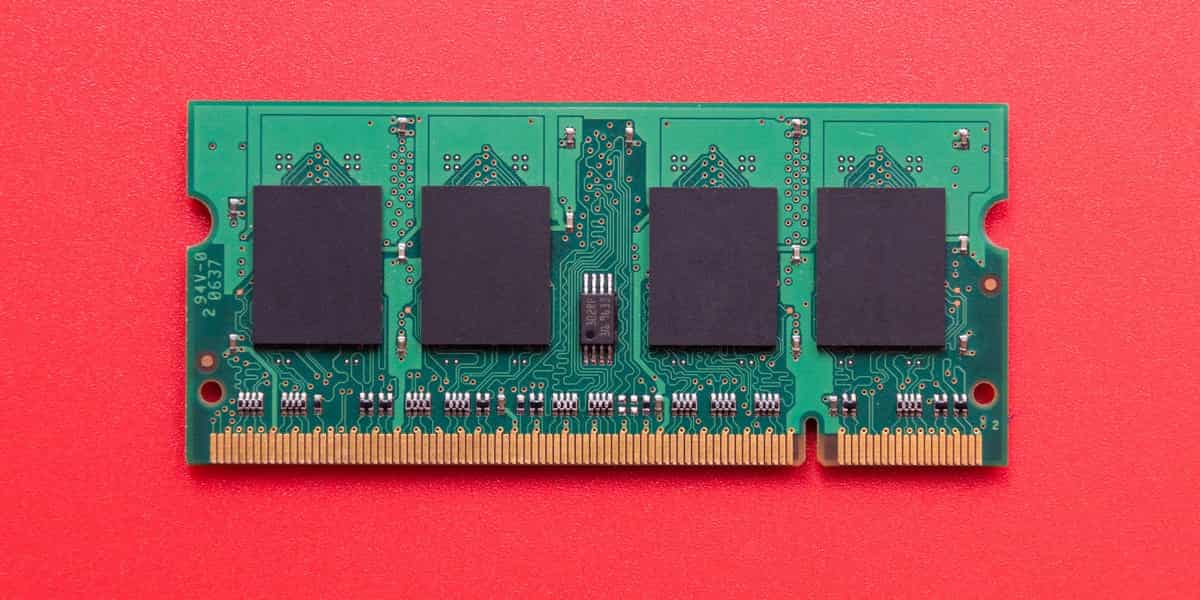
AI data center boom exacerbates global memory chip shortage

Created at 30 Jun · 9:45 AM1 source↑ Market-relevant
IN SHORT

The escalating demand for memory chips from AI data centers is intensifying a global shortage, leading to significant price hikes for consumer electronics. Experts predict these pressures will persist into 2027 and beyond, as hyperscalers prioritize memory allocation over consumer gadget makers.

✉Newsletter

PiQ Daily

Pick your topics. Get only what matters, on your cadence.

Key Numbers

15-20%estimated memory capacity shift to data centers by 2027
40%-50%expected memory price increase quarter-over-quarter in Q3
30%-40%expected memory price increase quarter-over-quarter in Q4
40% to 45%expected annual price hikes in 2027
2.5xincrease in console storage and memory prices
11.3%forecasted decline in global PC shipments for the full year
20%expected year-over-year decline in PC shipments in Q4

Who's Involved

Ming-Chi Kuo
TF International Securities analyst predicting memory capacity shifts
Sanjay Mehrotra
Micron CEO expecting persistent tight memory conditions
Trendforce
Research firm noting DRAM suppliers prioritize AI demand
Jefferies analysts
Analysts expecting significant memory price increases
Microsoft
Company signaling further price hikes for consoles
IDC
Market research firm forecasting PC market turbulence
Apple
Company increasing prices for Macs and iPads
Tim Cook
Apple CEO describing memory pricing as a 'hundred-year flood'
Elon Musk
Commentator agreeing with price jump observations
AI data center boom exacerbates global memory chip shortage

↳ Why This Matters

The AI data center buildout is directly contributing to a global memory chip shortage, driving up prices for essential consumer electronics and impacting the profitability and competitiveness of companies across the tech sector. This situation highlights the growing tension between the demands of AI infrastructure and the needs of the consumer market.

Key facts

  • The global memory chip shortage is worsening due to demand from AI data centers.
  • Hyperscalers are prioritizing memory chip allocation over consumer electronics.
  • Memory prices are projected to increase significantly in the coming quarters and years.
  • Microsoft and Apple have already implemented price hikes for their products due to memory costs.
  • Industry experts anticipate persistent memory supply constraints extending beyond 2027.

The burgeoning demand for AI data centers is significantly exacerbating a global shortage of memory chips, leading to increased costs for consumer electronics and a competitive struggle for manufacturing capacity. Tech giants like Meta, Google, and Amazon are vying with consumer electronics makers such as Apple and Xbox for limited memory chip supply, with manufacturers increasingly prioritizing the higher-paying AI sector.

Analysts and industry leaders foresee these pricing pressures and supply constraints persisting well into 2027 and potentially beyond. TF International Securities analyst Ming-Chi Kuo estimates that 15-20% of memory capacity allocated to consumer electronics could shift to data centers by 2027. Micron CEO Sanjay Mehrotra stated that demand continues to significantly exceed industry supply, attributing this to AI-driven demand and structural supply constraints.

Research firm Trendforce highlights that major DRAM suppliers are prioritizing advanced-node production for AI infrastructure investments. Jefferies analysts anticipate substantial price increases for memory chips in the third and fourth quarters of this year, with further year-over-year hikes projected for 2027. Microsoft has already implemented multiple price increases for Xbox consoles, citing a more than 2.5x rise in memory prices and expecting another doubling by the fall of 2027.

IDC forecasts a turbulent second half of 2026 for the global PC market, with shipments expected to decline significantly. Apple has boosted prices for its Mac and iPad products, with CEO Tim Cook describing the memory pricing situation as a 'hundred-year flood' and consumer price increases as unavoidable. Elon Musk echoed these sentiments, calling the production shortfall relative to demand 'insane'.

While efforts are underway to expand memory chip production, these initiatives require substantial time. The immediate impact is a significant increase in costs for consumers, a trend that is unlikely to change in the near future.

Frequently asked questions

The shortage is driven by unprecedented demand from AI data centers, which are competing with consumer electronics makers for limited manufacturing capacity from memory suppliers.

Industry experts and CEOs predict that tight conditions will persist beyond calendar 2027, with no quick fix on the horizon for the consumer electronics market.

Consumers are facing higher prices for products like Apple devices and Xbox consoles due to increased component costs for memory chips.

Yes, memory pricing is projected to increase significantly in the coming quarters and years, with some analysts expecting substantial year-over-year hikes through 2027.

What Happens Next

01Memory capacity allocation is expected to continue shifting towards data centers.
02Further price increases for consumer electronics are anticipated.
03Efforts to expand memory chip production capacity will continue.

Get the newsletter.

Pick the topics you actually care about. We'll email when there's news worth your time, on the cadence you choose. Cancel any time from your account.

Cadence
CME Headlines
  • Amendments to the Daily Settlement Procedure Document for the Aluminum Futures Contract
    20 Jul · 1:54 PM
  • Fresh from the Trading Room: Copper’s Crossroads
    1 Jul · 7:45 AM
  • Fresh from the Trading Room: Copper’s Crossroads
    1 Jul · 7:45 AM

How It Developed

The global memory chip shortage is worsening due to increased demand from AI data centers.
Tech hyperscalers like Meta, Google, and Amazon are competing with consumer electronics makers for memory chip capacity.
Memory suppliers are reallocating manufacturing to favor AI hyperscalers.
Analysts predict memory capacity allocated to consumer electronics will shift further to data centers by 2027.
Micron CEO expects tight memory conditions to persist beyond 2027 due to AI-driven demand.
Research firms note major DRAM suppliers prioritize advanced-node production for AI infrastructure.
Memory pricing is expected to rise significantly in Q3 and Q4, with further annual increases projected for 2027.
Microsoft signaled further price increases for console storage and memory, expecting a doubling by fall 2027.

Sources

T1
The data center boom is making the memory shortage even worseBusiness Insider

Related Stories

US retailers frontload China orders for holiday season, shipping firms say
30 Jun · 2:47 AM
Cargo thieves target data center supplies, stealing $1.3M in equipment
29 Jun · 8:30 PM
Europe's electricity grids strained by rising cooling demand amid heatwaves
30 Jun · 9:40 AM
China's Coal Habit Outpacing Clean Energy Boom
30 Jun · 12:06 AM
Companies Swap Copper for Aluminium Amid Price Surge
30 Jun · 6:16 AM