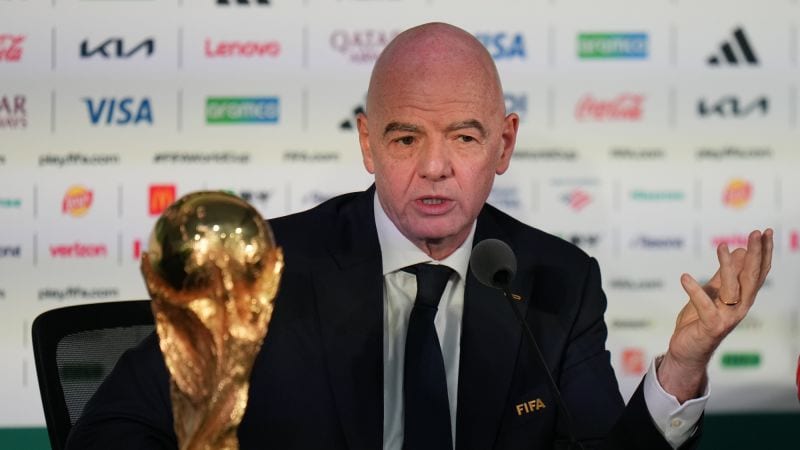
Key facts
- FIFA has abandoned its plan to sell private stakes in the World Cup.
- The decision followed widespread opposition from various stakeholders.
- European nations, FIFA executives, and soccer associations opposed the plan.
- The plan aimed to generate revenue through commercial partnerships.
- The decision is considered a setback for FIFA President Gianni Infantino.
FIFA has decided to scrap its controversial plan to sell private stakes in the World Cup and other major tournaments. This decision comes after facing significant backlash and widespread opposition from various stakeholders, including European nations, FIFA's own executives, and soccer associations around the world. The abandonment of this strategy marks a notable setback for FIFA President Gianni Infantino, who had reportedly been a proponent of exploring new revenue streams. The plan aimed to generate substantial revenue through commercial partnerships, potentially involving private equity firms or other investors seeking a share in the lucrative commercial rights of FIFA's flagship events. However, the strong resistance encountered has led the governing body to reconsider its approach. The opposition raised concerns about the commercialization of football and the potential impact on the sport's integrity and accessibility. European football federations, in particular, voiced strong objections, fearing that such a move could lead to a loss of control over key assets and a shift in decision-making power away from traditional football governance structures. The retreat from this plan suggests FIFA will continue to rely on its existing revenue models, focusing on media rights, sponsorship, and hosting fees, rather than pursuing equity stakes in its tournaments.