Key facts
- Fast-food chains are finding discounts alone are not enough to attract diners.
- Chains that paired discounts with menu innovation and improved customer experience saw stronger results.
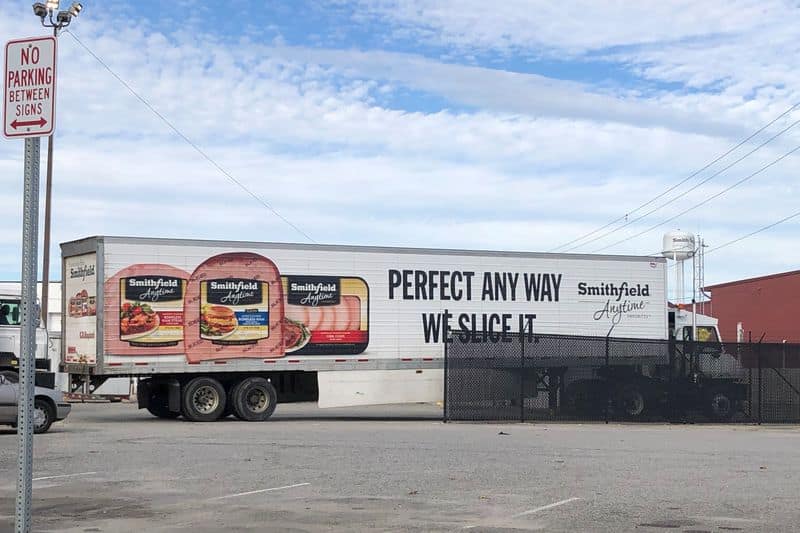
- Smithfield Foods lowered its annual sales forecasts.
- Smithfield Foods lowered its annual adjusted operating profit forecasts.
- Smithfield Foods cited cautious consumer spending as a reason for its lowered forecasts.
- Smithfield Foods cited elevated input costs as a reason for its lowered forecasts.
- Smithfield Foods exceeded analyst expectations for its second-quarter results.
Fast-food chains in the U.S., including prominent players like McDonald's, are encountering a challenge where discounts alone are no longer an effective strategy for attracting price-sensitive customers. Reports indicate that chains which have coupled value offerings with menu innovation and improvements to the overall customer experience have achieved more robust results. This suggests a shift in consumer priorities, where perceived value extends beyond just low prices to include product variety and service quality.
In a related economic development, Smithfield Foods has announced a reduction in its annual sales and adjusted operating profit forecasts. The company attributes this downward revision to a combination of cautious consumer spending patterns and persistently elevated input costs. Despite these headwinds, Smithfield Foods did report second-quarter financial results that surpassed analyst expectations, indicating some resilience in its operations or specific product segments.
The broader economic climate appears to be impacting consumer behavior across different sectors. The fast-food industry's reliance on deep discounting may be reaching its limits as consumers become more discerning. Similarly, Smithfield Foods' situation highlights the pressure on food producers from both reduced consumer outlay and increased operational expenses. The company's performance in the second quarter suggests that while overall forecasts are being tempered, certain aspects of its business may be performing better than anticipated.