Key facts
- The value of global M&A deals reached $2.83 trillion in the first half of 2026, up 49% from last year.
- IPOs saw $170 billion in the first half of the year, a 246% increase.
- Deal toys now constitute one-third of Bennett Awards' business, up from less than 5% a few years ago.
- AI-generated designs are increasingly replacing hand-drawn sketches in the deal toy design process.
- Manufacturers are adapting AI designs for manufacturability, cost, and production timelines.
Wall Street's deal toy manufacturers are experiencing a significant upswing in business, coinciding with a boom in M&A and IPO activity. This surge is accompanied by a notable shift in design processes, with artificial intelligence playing an increasingly prominent role.
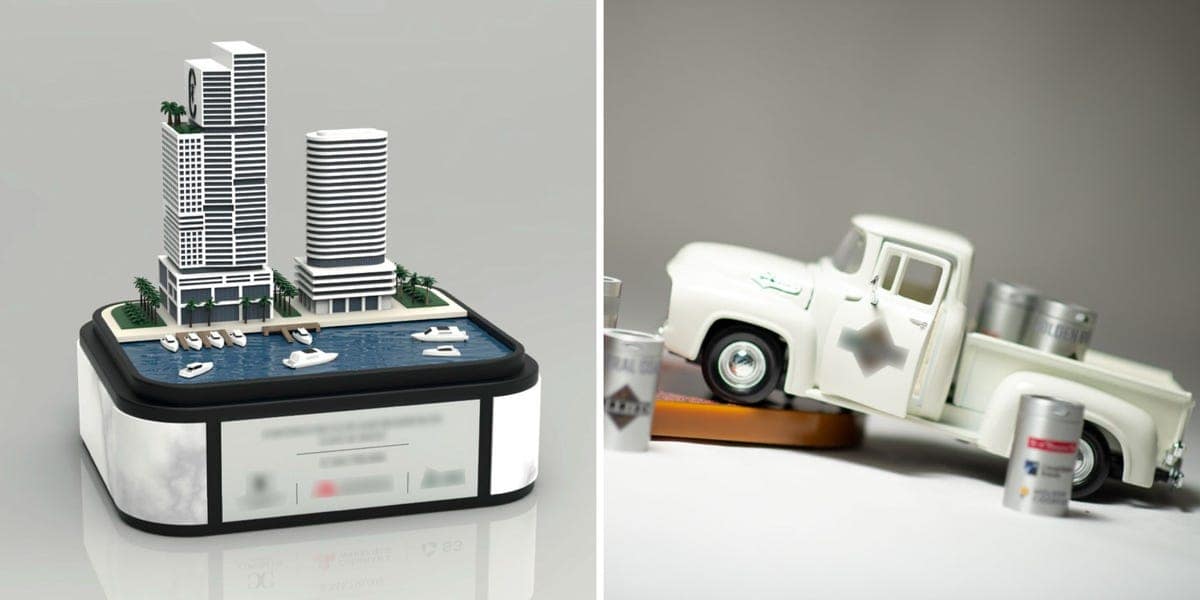
Global M&A deal values have climbed substantially, reaching $2.83 trillion in the first half of 2026, a 49% increase from the previous year, although the total number of deals has slightly decreased. Similarly, IPOs have seen a dramatic rise in value, with $170 billion raised in the first half of the year, a 246% jump, despite a marginal drop in the number of listings. This heightened dealmaking environment directly fuels demand for deal toys, commemorative items distributed after transactions are completed.
Manufacturers like Bennett Awards, Altrum, and GoLucites report a substantial increase in business. Bennett Awards, for instance, now derives one-third of its revenue from deal toys, a significant increase from less than 5% a few years ago. Altrum has serviced over 10,000 transactions in the past year, while GoLucites receives between 80 and 105 new leads monthly and closes about 70% of them.
The integration of AI into the design process is a key trend. Instead of traditional hand-drawn sketches, bankers are now submitting numerous AI-generated designs. While these can provide a starting point and speed up the initial ideation, manufacturers often need to modify them significantly to ensure they are manufacturable within cost and timeline constraints. This requires balancing creative AI suggestions with practical production realities, a task that relies on the expertise of human designers.
Despite the rise of AI in design, human designers remain crucial. They bring imperfections and unique insights that AI might miss, and their production feasibility knowledge is essential. Deal toy makers are adapting by incorporating AI-driven client ideas when feasible, but the final product still relies on human craftsmanship and expertise.