Key facts
- An estimated £11 billion is expected to be invested in English football stadiums and associated development over the next 15 years.
- New financial regulations, such as Squad Cost Ratios, limit squad expenditure relative to revenue but exclude stadium infrastructure spending.
- Clubs are increasingly developing stadiums for year-round use, incorporating hotels, restaurants, retail, and workspace.
- The Government is preparing a Stadium Regeneration Accelerator to assist clubs and investors in overcoming development barriers.
- The new Independent Football Regulator will review stadium projects for sustainability, heritage impact, and consideration of fan views.
The third revolution in English football stadium development is underway, with a significant portion of Premier League and lower-league clubs either completing or planning major upgrades. This surge in investment, estimated by McKinsey to reach around £11 billion over the next fifteen years, is driven by new financial regulations. Unlike previous eras focused on capacity or safety, the current wave is spurred by financial rules like Squad Cost Ratios, which link squad spending to club revenues. Crucially, spending on stadium infrastructure is excluded from these calculations, allowing wealthy owners to invest in facilities to boost future revenue streams and thus increase their capacity for player spending.
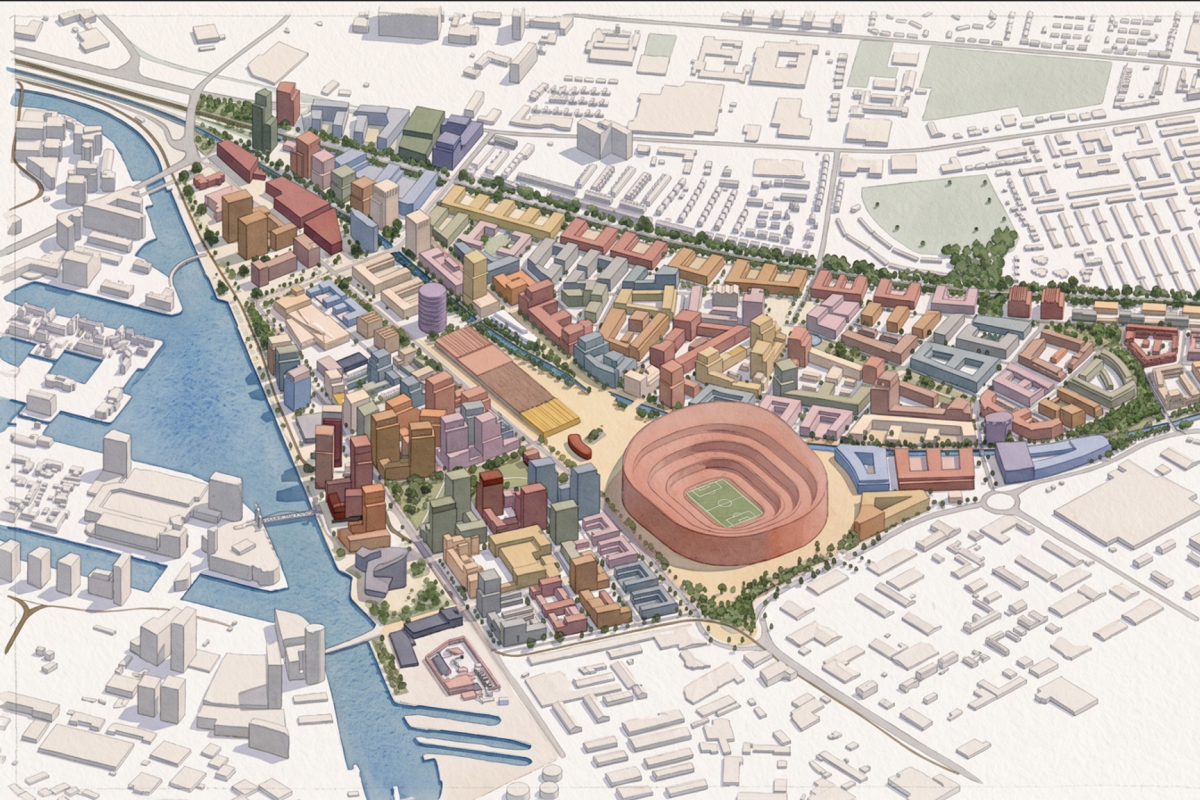
This strategic shift encourages clubs to maximize their stadium assets beyond the 20-25 match days per year. Developments often resemble large-scale regeneration projects, integrating sports facilities with hotels, restaurants, retail, entertainment, and workspace. Examples include Manchester United's potential Old Trafford replacement and Birmingham's Sports Quarter. The success of these ambitious projects hinges on private capital aligning with public sector priorities, as they often require public sector support for land assembly and infrastructure.
The government is preparing to facilitate this process with a Stadium Regeneration Accelerator, aimed at helping clubs and investors navigate potential obstacles. This initiative is not a direct funding source for stadiums but seeks to streamline the development process and unlock benefits for taxpayers. Furthermore, fiscal devolution could allow combined authorities to retain additional tax revenues generated by local economic growth, potentially altering the financial viability of these projects. A final regulatory hurdle involves approval from the new Independent Football Regulator, which will assess projects for sustainability, heritage impact, and consideration of fan views.