Key facts
- PepsiCo paid $237 million in income tax to the Russian state last year.
- The company continues to produce and sell products in Russia under new brand names.
- PepsiCo's operations in Russia include 19 factories and 60,000 workers.
- Net revenue in Russia increased by 22.9% to $4.77 billion in 2025.
- A new snack factory near Novosibirsk was opened in 2024.
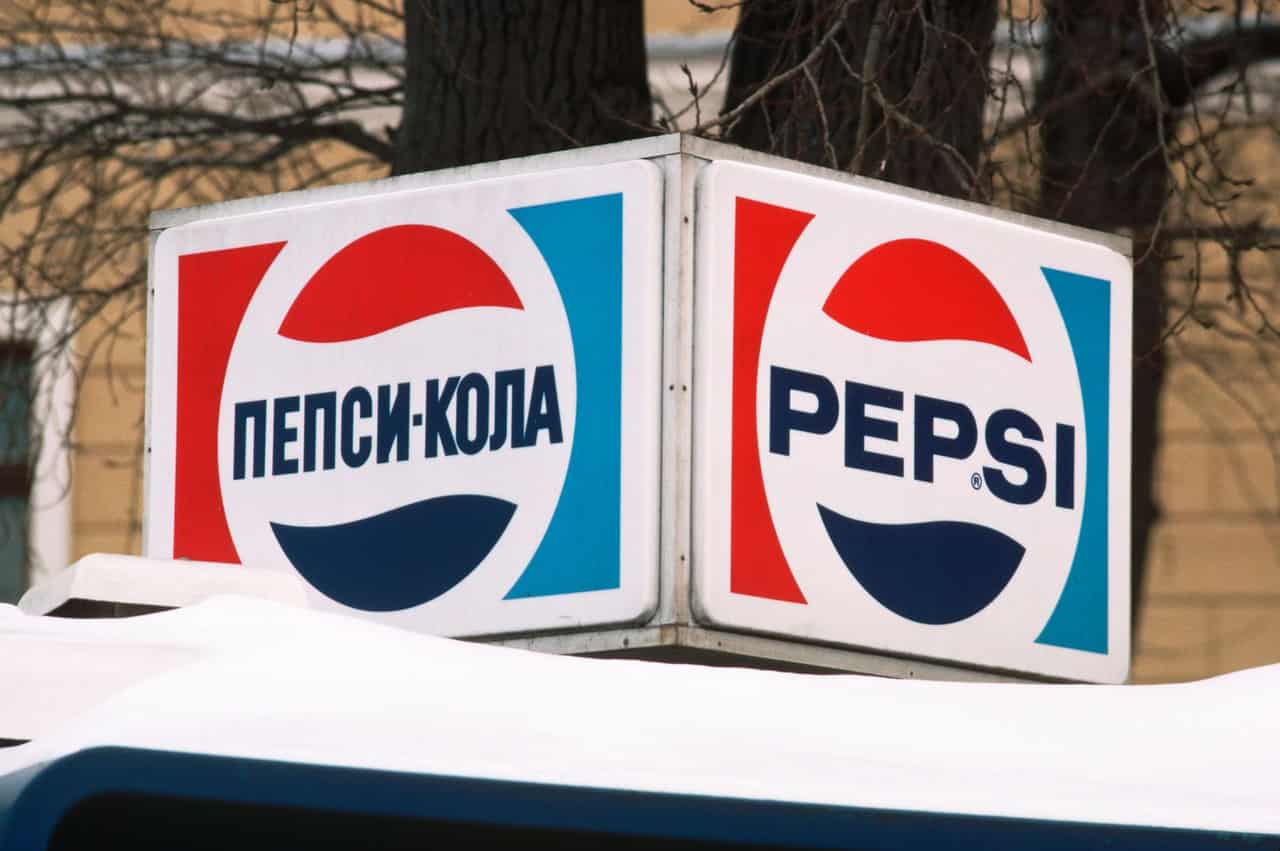
PepsiCo paid $237 million in income tax to the Russian state last year, despite announcing in March 2022 that it would suspend production and sales in Russia following the country's full-scale invasion of Ukraine. The company remains one of Russia's largest foreign businesses, with 60,000 workers and 19 factories continuing to produce beverages under new names like Lyubimaya Cola and Evervess Cola. Products such as Lay’s chips, juices, and bottled water are also still available.
This continued presence contributes to the Kremlin's budget, which is largely focused on the war in Ukraine. PepsiCo has deep historical ties to Russia, having been the first American consumer brand produced in the Soviet Union. Former CEOs Donald Kendall and Indra Nooyi had notable relationships with Russian leadership.
While PepsiCo suspended capital investments and advertising, it continued selling essential products like milk and baby food. Original Pepsi cans are also available through parallel imports. The company's operations in Russia have seen significant revenue growth, with net revenue jumping 22.9% to $4.77 billion in 2025. A new snack factory near Novosibirsk, with an estimated cost of $155 million, opened in 2024.
PepsiCo has been added to Ukraine's list of international sponsors of the war by the National Agency on Corruption Prevention. Many Western consumers are reportedly unaware of the company's contributions to the Russian state budget. The company is also facing pressure to improve its overall business performance and lagging share price, with its Russian market being its third-largest after the U.S. and Mexico. In Ukraine, PepsiCo continues to operate three factories.