All NewsEducationTV
Equities & FundsCrypto & Digital AssetsAI & TechnologyBusiness & CorporateUS Politics & PolicyGeopolitics & Global RiskMacro, Rates & FXCommodities & EnergyEuropean Politics & MarketsAsia-PacificReal Estate & Property
Story archiveAll categories
← All Stories

Mexican Food's Golden Age in the U.S. Marked by Diversity and Adaptation

Created at 13 Aug · 9:12 AM1 source↑ Market-relevant
IN SHORT

Mexican cuisine is experiencing a boom in the U.S., with one in 10 restaurants serving it. This evolution reflects changing tastes, globalization, and adaptation to American palates, with dishes like birria gaining widespread popularity and new dietary guidelines potentially favoring protein-rich Mexican fare.

✉Newsletter

PiQ Daily

Pick your topics. Get only what matters, on your cadence.

Key Numbers

10%of U.S. restaurants serve Mexican food
85%of U.S. counties have at least one Mexican restaurant
200+units Chi-Chi's chain opened
1984year Chili's launched Tex-Mex fajitas
1962year Glen Bell opened first Taco Bell
30grams of protein in a beef burrito
4-5hours a beef burrito can keep an individual full
5-10%potential increase in protein-forward meal popularity among health-conscious din
3%reduction in refined-grain bread purchases after 2005 dietary guidelines
14%increase in whole grain bread purchases after 2005 dietary guidelines

Who's Involved

Pew Research Center
Released data on Mexican restaurant prevalence in the U.S.
Chili's
Brand that introduced Tex-Mex fajitas to the mainstream in 1984
Chi-Chi's
Mexican dinnerhouse chain that expanded in the 1980s
Glen Bell
Entrepreneur who opened the first Taco Bell in 1962
Chef Chuck Hayworth
Private chef and medical meal specialist predicting a new nutritional era for Mexican cuisine
Chad Larson
Naturopathic physician and CEO of The Adapt Lab, commenting on dietary guidelines and consumer behavior
Mexican Food's Golden Age in the U.S. Marked by Diversity and Adaptation

↳ Why This Matters

The evolution and widespread popularity of Mexican cuisine in the U.S. highlight significant cultural and economic trends, reflecting demographic shifts and changing consumer preferences. The alignment with new dietary guidelines also presents potential opportunities for the restaurant sector.

Key facts

  • One in 10 U.S. restaurants serve Mexican food, with 85% of counties having at least one.
  • Chains like Chili's and Chi-Chi's played a role in popularizing Mexican-influenced dishes in the mid-20th century.
  • Birria, a braised meat stew, is the latest trend, appearing in various fusion dishes.
  • New USDA dietary guidelines favor animal proteins and healthy fats, potentially boosting Mexican cuisine.
  • The influence of federal dietary guidelines on consumer ordering habits is debated.

Mexican cuisine has become deeply ingrained in the American dining landscape, with a significant presence across the country. Data indicates that one in ten U.S. restaurants serve Mexican food, and nearly all counties have at least one establishment. This widespread availability reflects the influence of immigration, globalization, and evolving consumer tastes.

Historically, Mexican food's presence outside of border states and Chicago was limited. However, pioneering chains like Chili's, which introduced Tex-Mex fajitas in 1984, and Chi-Chi's helped introduce these flavors to a broader audience. While early adaptations often modified dishes to suit American palates, they served as a crucial stepping stone for wider acceptance and experimentation.

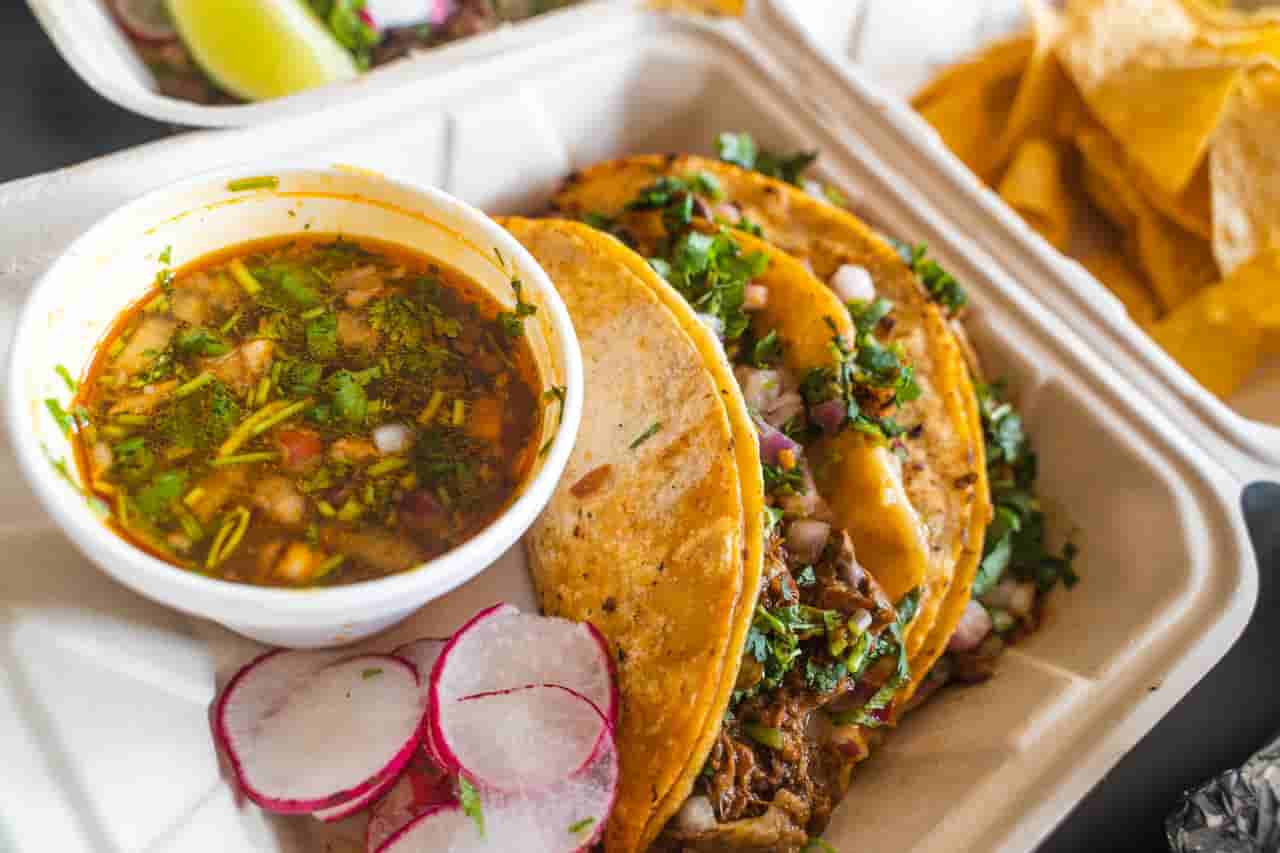
The current culinary spotlight is on birria, a traditional Mexican stew that has gained significant traction. Its appeal lies in its combination of braised meat, cheese, and savory consomé, leading to creative adaptations like birria ramen and birria pizza. Fast-food chains have also incorporated birria-inspired items into their menus.

Recent revisions to USDA dietary guidelines, emphasizing animal proteins and healthy fats like those found in avocados, may further boost the popularity of Mexican cuisine. Dishes rich in meat, cheese, and avocadoes, such as guacamole and carne asada, align with these recommendations. However, the actual impact of these guidelines on consumer choices remains a subject of debate, with taste, price, and satisfaction often cited as more significant factors in ordering decisions.

Frequently asked questions

One in 10 restaurants in the United States serves Mexican food, and 85% of all counties have at least one Mexican restaurant.

Birria is a traditional Mexican stew, often featuring braised meat, cheese, and a savory consomé, which has recently become a popular trend in the U.S.

The new USDA guidelines emphasize animal proteins and healthy fats, which could benefit Mexican cuisine due to the prevalence of meat, cheese, and avocado-based dishes.

The impact is debated; while some research shows influence, many believe taste, price, and satisfaction are more immediate factors in dining choices.

What Happens Next

01Further analysis of consumer response to new dietary guidelines.
02Continued innovation and fusion of Mexican dishes in U.S. restaurants.

Get the newsletter.

Pick the topics you actually care about. We'll email when there's news worth your time, on the cadence you choose. Cancel any time from your account.

Cadence

How It Developed

Mexican restaurants are now prevalent across the U.S., found in 85% of counties.
Pioneering chains like Chili's introduced Tex-Mex dishes to a wider American audience in the 1980s.
Early Mexican-influenced dishes were often modified to suit American tastes.
Birria, a stew-based dish, has become a recent popular trend, inspiring various menu adaptations.
New USDA dietary guidelines emphasize animal proteins and healthy fats, potentially benefiting Mexican cuisine.
Some experts predict a nutritional era for Mexican dishes like fajitas, enchiladas, and non-fried options.
The impact of dietary guidelines on consumer choices is debated, with taste and price often being primary drivers.
Previous dietary guidelines have shown influence on consumer purchasing habits, such as increased whole grain bread consumption.

Sources

T1
The Golden Age of Mexican Food Is Here. And It’s Complicated.The New York Times
T2
Philadelphia's Golden Era of Mexican Cuisine Has Arrivedcntraveler.com
T2
New Dietary Guidelines Boost Mexican Food…Or Do They?elrestaurante.com
T2
Inside the tasty evolution of Mexican food in the U.S.restaurantbusinessonline.com

Related Stories

Taylor Farms Recalls Products Due to Salmonella and Cyclospora Contamination
13 Aug · 9:12 AM
Whole Foods recalls select products due to potential salmonella contamination
12 Aug · 9:11 PM
TikTok Shop Surpasses Target in US Online Sales
12 Aug · 9:41 PM
Uber invests in Latin American motorcycle lender Galgo
12 Aug · 4:40 PM
Paramount Employees More Concerned With Merger Than Potential California Exit
12 Aug · 8:11 PM