Key facts
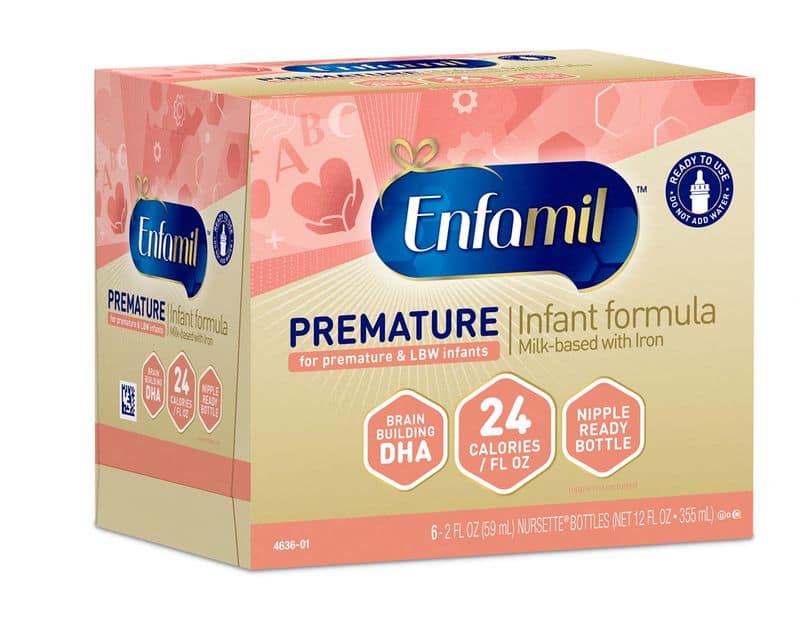
- A Missouri jury ruled in favor of Mead Johnson, maker of Enfamil, in a lawsuit alleging its specialized preterm baby formula caused necrotizing enterocolitis (NEC).
- The lawsuit was filed by Cadence Collins, an Illinois mother whose infant daughter allegedly suffered lifelong injuries from the formula.
- Mead Johnson, a unit of Reckitt, stated it strongly rejects any assertion that its specialized preterm hospital nutrition products cause NEC.
- The case is one of nearly 1,000 similar lawsuits filed against Mead Johnson and Abbott Laboratories, which makes Similac formulas.
- The products in question are cow's milk-based formula and fortifiers for mother's milk intended for hospital settings.
A jury in St. Louis has rejected claims that Mead Johnson's specialized formula for preterm babies was responsible for causing a dangerous bowel disease in an infant. The verdict on Thursday sided with the Reckitt unit, Mead Johnson, in a lawsuit brought by Illinois mother Cadence Collins. Collins had claimed her daughter suffered lifelong injuries after contracting necrotizing enterocolitis, a condition that primarily affects premature newborns and has a mortality rate exceeding 20%, as a result of consuming Mead Johnson's product.
The trial is one of nearly 1,000 similar lawsuits filed against both Mead Johnson and Abbott Laboratories, which produces Similac formulas. Over 700 of these cases are consolidated in an Illinois federal court, with others pending in state courts across Illinois, Missouri, and Pennsylvania.
Mead Johnson issued a statement asserting, "We strongly reject any assertion that any of our specialized preterm hospital nutrition products cause NEC." The companies maintain that while breast milk offers protection against the bowel disease, their formulas do not cause it, and the benefits of breast milk have long been recognized by clinicians.
Attorneys for Collins indicated they disagreed with the jury's decision and would explore all available options for their client. The products at the center of these lawsuits are cow's milk-based formulas and milk fortifiers designed for infants in hospital settings, not standard formulas sold to consumers.
In 2024, Abbott CEO Robert Ford suggested that litigation might lead to the discontinuation of these preterm products. The companies have experienced mixed results in trials so far, with some juries ruling in their favor and others siding with the parents. Last month, an Illinois appeals court overturned a $60 million verdict against Mead Johnson, citing improper jury instructions regarding claims that the company failed to warn about the potential for necrotizing enterocolitis from its premature baby products.