Key facts
- JTB is focusing on inbound business travel to Japan.
- The company aims to increase transactions by 2.7 times and gross profit by 2.9 times by 2030.
- JTB's 'Inbound VISION 2030' strategy emphasizes regional cooperation and data strategy.
- New inbound travel promotion bases are being established nationwide.
- JTB is investing in a new business field, 'Plus One,' for inbound traveler services.
Major Japanese travel agency JTB is significantly expanding its inbound business travel services, targeting Japanese companies that host international partners and employees. The company launched its 'Inbound VISION 2030' strategy on September 1, 2025, with ambitious goals to increase inbound transactions by 2.7 times and gross profit by 2.9 times by 2030, surpassing market forecasts.
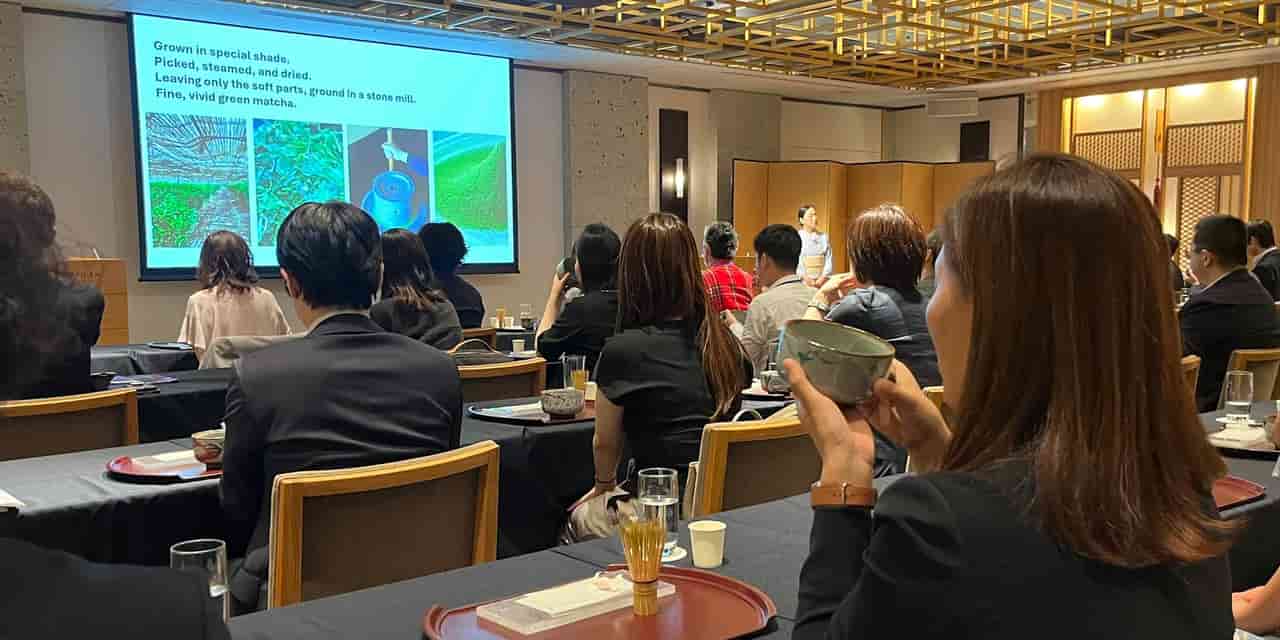
The strategy is built on two pillars: cooperation with local regions and a data strategy. JTB aims to enrich local communities and enhance Japan's international presence through quality and sustainable tourism, rather than solely focusing on quantity. This includes developing unique regional content and experiences, such as tea ceremonies and tours of temples and shrines.
To support these goals, JTB is establishing new inbound travel promotion bases in key cities across Japan, including Hokkaido, Sendai, Nagoya, Fukuoka, and Okinawa, in addition to Tokyo and Osaka. The company plans to hire approximately 150 new staff nationwide dedicated to inbound promotion. Furthermore, JTB is strengthening its global partnerships, including its joint initiative 'JTB Inbound Trip' with Trip.com launched in 2023.
A new business field, 'Plus One,' is being created to develop specialized services and content for inbound travelers, with a target of capturing a 10% market share in this segment. JTB also plans to fully operate its 'JTB Tourism HUB' data platform in 2026, integrating existing platforms and data to analyze travel trends and optimize sales and distribution. The company is also considering expanding its 'Land Cruise' shared tour bus business to Japan, starting with Hokkaido, to encourage repeat visits and regional diversification.