Key facts
- Japan's automotive sector is adopting a German-style dual vocational training program.
- The program aims to address a shortage of qualified automotive technicians.
- It combines 70% hands-on training at dealerships with 30% theoretical education.
- The initiative was launched in April 2024 by AHK Japan with German automotive importers.
- BMW Group Japan and Mitsubishi Fuso Truck and Bus Corporation are pilot partners.
- Successful trainees receive a DIHK certificate and become full-time employees.
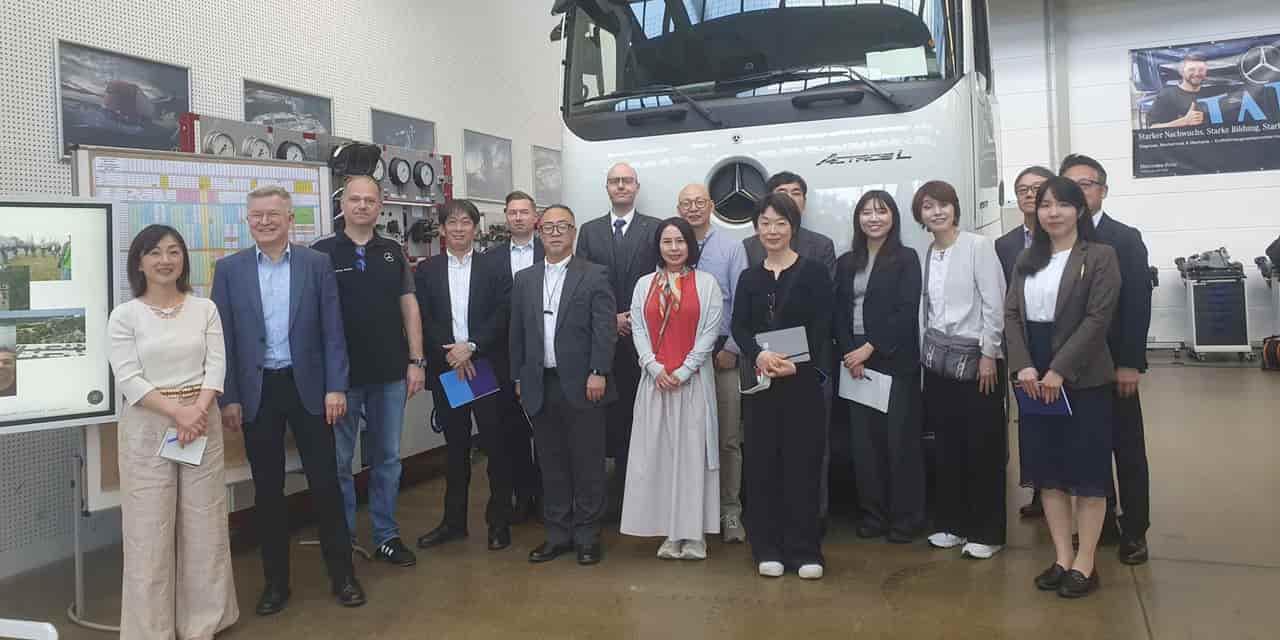
Japan's automotive industry is implementing a German-style dual vocational training program to address a critical shortage of skilled mechanics. Japanese delegates observed training schedules at a Mercedes-Benz truck plant near Stuttgart as part of this initiative.
AHK Japan is supporting German automotive importers by deploying the German vocational training program for automotive mechatronics. This program aims to cultivate highly skilled technicians needed for the next generation of automobiles, particularly those with advanced technologies like autonomous driving and electric vehicles.
The program, which began in April 2024 in Japan's Tokyo and Kansai regions, is a collaboration between AHK Japan and German car importers. BMW Group Japan and Mitsubishi Fuso Truck and Bus Corporation are the partner companies for the pilot project, with theoretical training conducted at institutions in Tokyo and Kobe.
The curriculum is adapted for the Japanese market, with 70% of the training focused on hands-on experience at car dealerships and 30% dedicated to theoretical education at vocational schools. Participants will undergo three years of training, upon successful completion of which they will receive a certificate from the Federal Chamber of Commerce and Industry (DIHK) and secure full-time employment with the dealership.