Key facts
- Thousands of unionized Hyundai auto workers in Ulsan, South Korea, have initiated a strike.
- The strike is in response to Hyundai Motor Group's plans to deploy 25,000 Atlas humanoid robots.
- Hyundai intends to begin deploying these robots in its US factories in 2028.
- Union demands include shifting hourly workers to fixed salaries and raising the retirement age from 60 to 65.
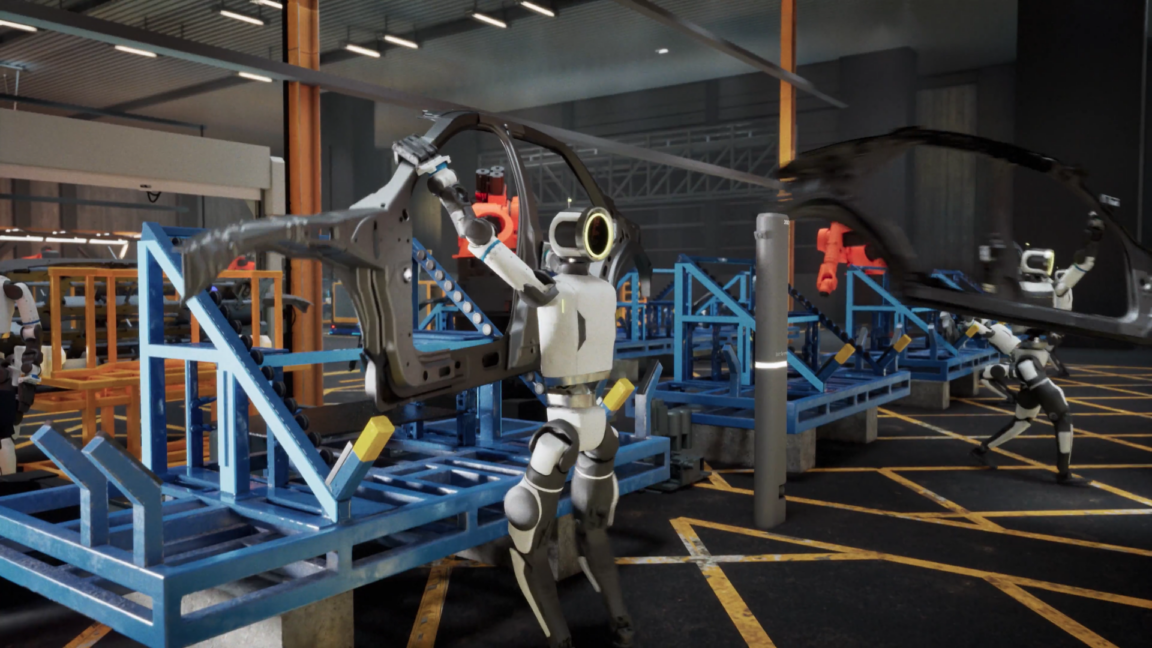
- The Atlas robot, made by Boston Dynamics, stands over 6 feet tall and can lift more than 100 pounds.
Thousands of unionized Hyundai auto workers in South Korea have initiated a strike, marking the most significant labor pushback against the increasing deployment of humanoid robots in the automotive industry. The walkouts at Hyundai's Ulsan complex began after negotiations with the automaker over plans to introduce 25,000 Atlas humanoid robots failed to reach an agreement.
The union has expressed concerns about job security and compensation, demanding that hourly workers be shifted to fixed salaries and that the retirement age be raised from 60 to 65. These actions follow Hyundai Motor Group's unveiling of the latest Atlas robot, developed by Boston Dynamics, which Hyundai is set to fully acquire. The company plans to begin deploying these robots, capable of lifting over 100 pounds, in its US factories starting in 2028.
Analysts suggest that the operational cost of these robots could eventually fall below the US federal minimum wage, potentially undercutting typical auto worker salaries. Other automakers, including Tesla and BMW, are also exploring the use of humanoid robots in their manufacturing processes, reflecting a broader trend of automation in the industry that has seen over a million industrial robots already in use globally.
Hydai's initial deployment of Atlas robots is planned for Metaplant America in Georgia, a highly automated electric vehicle factory. While this facility's workers are not currently unionized, the United Auto Workers (UAW) union is attempting to organize them and has previously criticized companies like General Motors for robot installations following layoffs. The long-term cost-effectiveness and impact of humanoid robots compared to specialized industrial robots and human workers remain a key question for the industry.