HomeEverythingEducation
Equities & FundsCrypto & Digital AssetsAI & TechnologyBusiness & CorporateUS Politics & PolicyGeopolitics & Global RiskMacro, Rates & FXCommodities & EnergyEuropean Politics & MarketsAsia-PacificReal Estate & Property
← All Stories

Grocery stores emerge as fast food's newest rival

Created at 6 Jul · 7:20 AM1 source↑ Market-relevant
IN SHORT

Supermarkets are increasingly competing with fast-food chains by expanding their prepared-food offerings. Inflation-weary consumers are seeking value, making grab-and-go meals from grocery stores a more attractive alternative to drive-thru options.

✉Newsletter

PiQ Daily

Pick your topics. Get only what matters, on your cadence.

Key Numbers

70%consumers say groceries prepared at home provide best value
16%respondents chose retail-prepared foods as best value
15%respondents chose restaurants as best value

Who's Involved

Placer.ai
location analytics firm providing foot-traffic data
R.J. Hottovy
Placer.ai's head of analytical research
Kroger
retailer investing in prepared foods
Whole Foods
retailer investing in prepared foods
McDonald's
fast-food chain leaning into value offerings
Yum Brands
company highlighting Taco Bell's value
Technomic
consumer insights company
Grocery stores emerge as fast food's newest rival

↳ Why This Matters

The growing competition from grocery stores challenges the traditional fast-food market, forcing established chains to re-evaluate pricing and value propositions as consumer spending habits shift towards more cost-effective and convenient alternatives.

Key facts

  • Grocery stores are increasingly offering prepared foods as a competitor to fast-food chains.
  • Consumers are seeking value and convenience, making grocery store grab-and-go meals an attractive alternative.
  • Foot-traffic data suggests a shift away from quick-service restaurants towards grocery prepared foods.
  • Years of menu price increases at fast-food chains have narrowed the cost gap with grocery alternatives.
  • Fast-food companies are highlighting value platforms and menu innovation to retain customers.

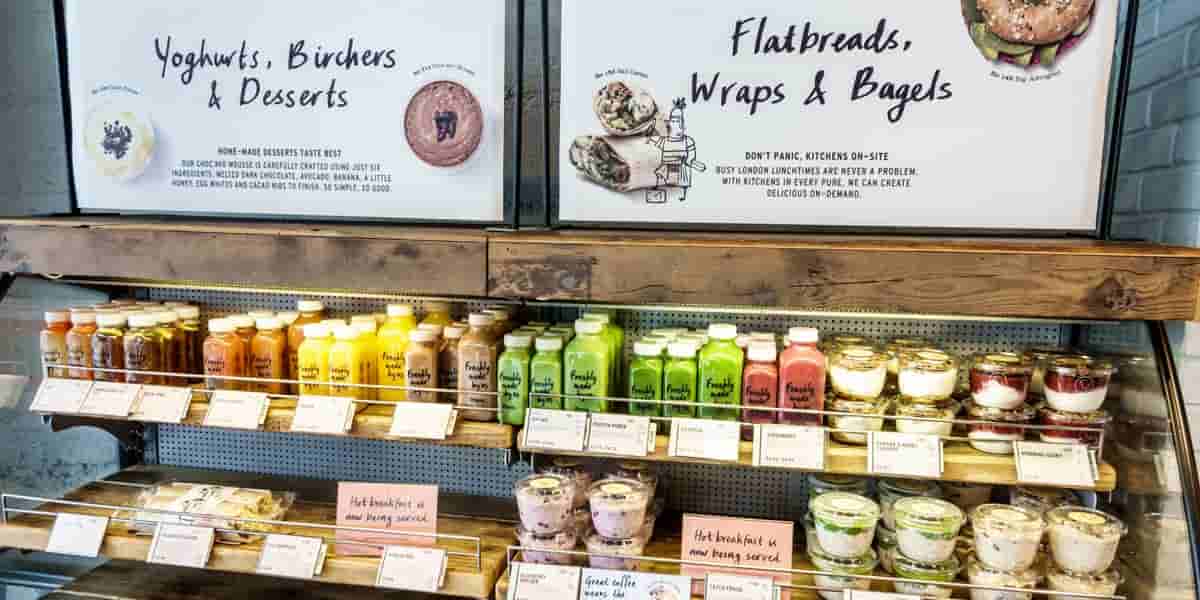
Grocery stores are emerging as a significant competitor to fast-food chains, driven by intensifying value-seeking behaviors among consumers. As inflation continues to impact household budgets, supermarkets are expanding their prepared-food offerings, presenting a compelling alternative to traditional drive-thru meals.

Foot-traffic data from Placer.ai indicates a softening in overall restaurant traffic, with quick-service restaurants particularly struggling. In contrast, fast-casual and casual dining segments have shown more resilience. This shift is attributed to grocery stores and superstores offering ready-to-eat meals that provide a similar convenience factor at a lower perceived cost.

Retailers like Kroger and Whole Foods have significantly invested in their prepared foods sections, while warehouse clubs and mass merchants have broadened their grab-and-go options. Executives view prepared foods as a key growth area, aiming to capture consumer spending by offering restaurant-quality meals at more accessible prices.

Consumer perceptions of value are evolving beyond just the cheapest option, now encompassing convenience, quality, and experience. While fast-casual chains like Chipotle and Cava are succeeding by balancing these factors, the quick-service restaurant sector is experiencing reduced foot traffic. Years of menu price increases by fast-food chains have diminished the cost advantage they once held over grocery prepared foods and fast-casual alternatives.

Consumer research from Technomic supports this trend, with a significant majority of consumers viewing groceries prepared at home as the best value. Retail-prepared foods and restaurant meals were closely ranked, indicating that consumers increasingly see supermarkets as a viable dining-out substitute. In response, fast-food companies like McDonald's and Yum Brands are emphasizing their value platforms and menu innovations to attract and retain budget-conscious customers.

Frequently asked questions

Grocery stores are expanding their prepared-food sections, offering convenient and often lower-cost alternatives to fast-food meals, which appeals to inflation-weary consumers seeking value.

Quick-service restaurants (QSRs) have reported lower foot traffic, while fast-casual and casual dining chains have shown more resilience.

Consumers are increasingly weighing convenience, quality, and experience alongside price, rather than solely focusing on the cheapest option.

What Happens Next

01Fast-food chains will continue to emphasize value offerings and menu innovation.
02Grocery retailers are expected to further invest in and expand their prepared-food selections.

Get the newsletter.

Pick the topics you actually care about. We'll email when there's news worth your time, on the cadence you choose. Cancel any time from your account.

Cadence

How It Developed

Grocery stores are expanding prepared-food offerings.
Restaurant traffic has softened overall this year.
Quick-service restaurants have struggled while fast-casual and casual dining have been more resilient.
Consumers are weighing convenience, quality, and experience alongside price.
Fast-food chains are emphasizing value offerings to attract cost-conscious diners.

Sources

T1
Fast food's newest rival isn't another burger chain. It's the grocery store.Business Insider

Related Stories

Big brewers accused of misleading drinkers on craft beer
6 Jul · 7:10 AM
China restaurant sparks debate over US$75 tomato and egg dish
6 Jul · 1:30 AM
Uber Pauses European Expansion Amid Antitrust Probe and Delivery Hero Talks
5 Jul · 9:55 PM
Evri sues BBC for £1.2m over Panorama documentary
5 Jul · 2:35 PM
Ocado founder Tim Steiner to step down as CEO after board succession plan
6 Jul · 7:10 AM