Key facts
- Premier League clubs are undertaking extensive pre-season tours in the US, Australasia, and Asia.
- Commercial revenue has become the largest income stream for top football clubs, surpassing broadcasting and matchday income.
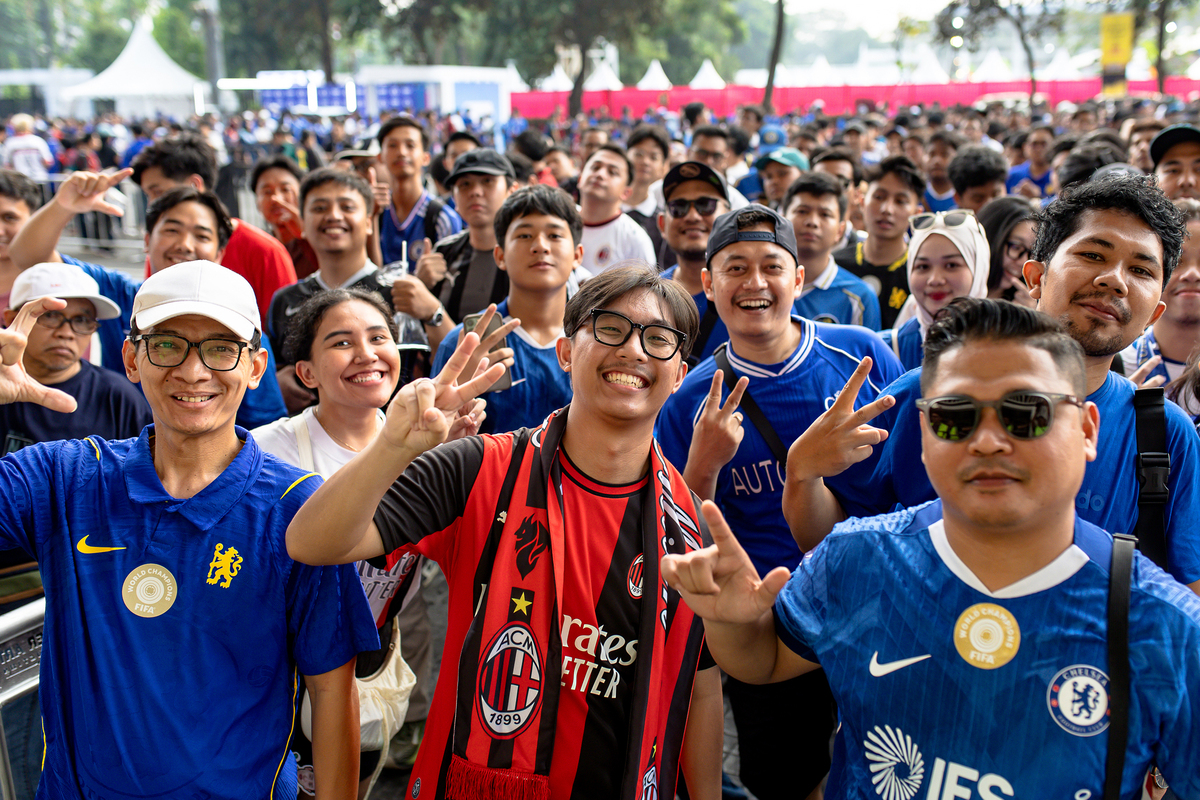
- These tours are designed to engage global audiences, secure sponsors, and drive merchandise and content sales.
- Clubs aim to build long-term fan value and brand presence in key international markets.
- While tours are expensive, they are viewed as crucial market-entry campaigns for clubs.
Football clubs are increasingly transforming their pre-season tours into sophisticated commercial operations, moving beyond traditional low-key friendlies to engage global fan bases and secure lucrative partnerships. Premier League teams like Manchester City, Aston Villa, and Tottenham Hotspur are traversing continents, not just for on-field preparation but as travelling commercial platforms.
This strategic shift is driven by the growing importance of commercial revenue, which has become the largest income category for the world's top clubs, according to Deloitte's 2026 Football Money League. With €5.3bn generated from commercial activities in 2024-25, clubs are focusing on areas they can control, such as sponsorship, retail, licensing, and direct-to-consumer products, to build their global brand.
Clubs like Real Madrid and Manchester United have reported substantial commercial revenues, and while summer tours represent a fraction of these figures, they significantly support various revenue streams. For instance, Manchester United's post-season trip in May 2025 reportedly generated over $10 million, while Liverpool's 2025 tour earned an estimated £8m-£10m in fees.
The economics of these tours typically involve promoters or local organizers taking on event risk, aiming to cover club fees, venue costs, and logistics through ticket sales, sponsorship, and media income. Clubs, in turn, can receive fees, a share of ticketing revenue, incremental merchandise sales, hospitality opportunities, and content that can be monetized on their own channels. Manchester City, for example, is streaming its 2026 Asia friendlies through its direct-to-consumer service, CITY+.
Global sponsors are keen to leverage these tours for access to fans, storytelling, and customer engagement in priority markets. Events like the Standard Chartered Trophy match involving Liverpool and AC Milan, or Japan Airlines transporting Manchester United's squad, highlight this synergy. The Premier League's 2025 Summer Series in the US, featuring multiple clubs in double-header matches, exemplifies how the league itself can package teams into a compelling live entertainment product for specific markets.
Beyond immediate financial gains, clubs are focused on the long-term value of engaging new fans. A child in Chicago attending a Liverpool match for the first time could become a loyal customer for merchandise, app subscriptions, and sponsorships for decades. This physical proximity is particularly powerful in markets where regular attendance at home stadiums is not feasible.
North America has emerged as a strategic region, with the World Cup accelerating interest, world-class stadium infrastructure, and a vast commercial market. Clubs are aiming to capture a larger share of the US sports consumer market before established habits solidify. The Premier League's 'Coast to Coast' initiative, involving all 20 clubs in US fan activations around the season's opening weekend, underscores the league's own strategic growth ambitions.
However, these tours are not without challenges. They are expensive, and the economics can vary significantly between promoters and clubs. Large crowds do not guarantee substantial profits, and there is an increasing concern among coaches about player workload and the need for controlled preparation versus the commercial departments' desire to feature star players in major global cities.