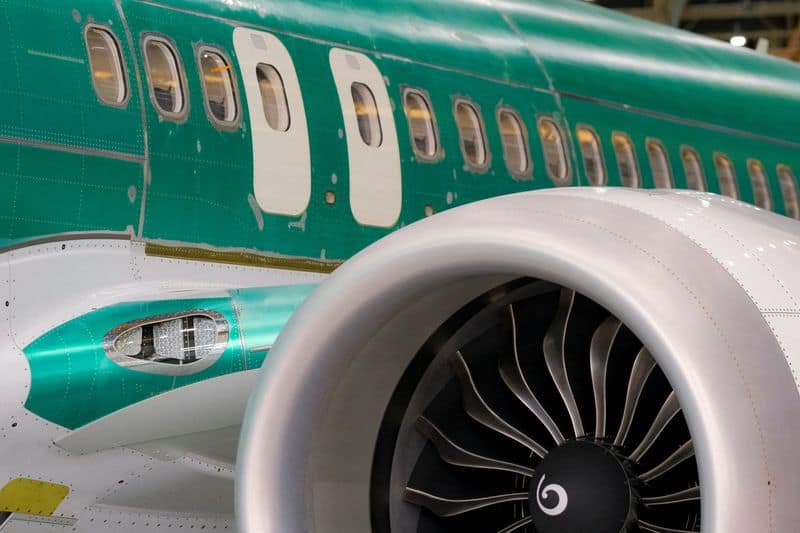
Key facts
- The FAA has certified the Boeing 737 MAX 7.
- This certification allows Boeing to sell the smallest version of its 737 MAX aircraft.
- The MAX 7 is expected to be certified in summer 2026, with the MAX 10 to follow.
- Southwest Airlines is a major customer for the MAX 7, anticipating deliveries in early 2027.
- Resolving technical issues, including the engine anti-ice system, was crucial for certification.
The Federal Aviation Administration (FAA) has granted approval for the Boeing 737 MAX 7, marking a significant milestone for the aircraft manufacturer after years of waiting to sell the smallest version of its best-selling airplane. This certification is crucial for Boeing's competitive position in the single-aisle market.
The MAX 7 and MAX 10 variants are advancing into their final certification stages, with approximately 80 percent of required flight-test programs completed. The MAX 7 is anticipated for certification as early as summer 2026, followed by the MAX 10 before the end of the year. These developments come after extensive work to resolve technical challenges, notably with the engine anti-ice system.
Boeing CEO Kelly Ortberg has indicated that the company sees "light at the end of the tunnel," with flight testing progressing well. The MAX 7, designed for high-demand regional routes, is expected to receive approval first due to its less complex modifications compared to the stretched MAX 10. FAA Administrator Bryan Bedford has confirmed that no major obstacles remain, supporting Boeing's timeline and reinforcing confidence in the aircraft's safety.
For airlines, the impending certification of these variants is a significant boost to fleet modernization. Southwest Airlines, the launch customer for the MAX 7, holds nearly 270 firm orders, while the MAX 10 has accumulated over 1,200 commitments globally. These aircraft promise enhanced range, capacity, and operational economics. First deliveries are anticipated in early 2027.
Key technical hurdles have been overcome, including a redesigned engine anti-ice system that previously posed a risk of overheating and failure. The MAX 10 also required a redesigned landing gear to prevent tail strikes. Both variants feature an updated crew alerting system mandated after previous MAX crashes, enhancing pilot detection of faulty sensor data.