Key facts
- Cambridge University has reportedly backtracked on a plan to divest from weapons companies.
- A 'monitoring regime' for conventional weapons investments was approved by the University Council on April 16.
- The initial plan included a zero percent threshold for arms investments, which would have necessitated discussions on reducing exposure.
- A new, unpublicized plan has replaced the original, retaining the zero percent threshold but removing the mandatory reduction of exposure.
- Some University Council members were reportedly unaware of the change.
- Cambridge for Palestine criticized the move as obfuscation and a betrayal of commitments.
The University of Cambridge has reportedly abandoned a plan to divest from weapons companies, according to sources speaking to Middle East Eye (MEE). Initially, the University Council approved a 'monitoring regime' for investments in conventional weapons, proposed by the Cambridge University Endowment Trustee Body (CUETB). This regime included a zero percent threshold for arms investments, which would have automatically triggered discussions to reduce the fund's exposure to such companies.
However, multiple sources indicate that the CUETB has since introduced a new plan. While the zero percent threshold remains, the requirement to reduce exposure to weapons companies has been removed. This change, which has not been publicly announced, has reportedly not been put before the University Council, with some members claiming they were not informed.
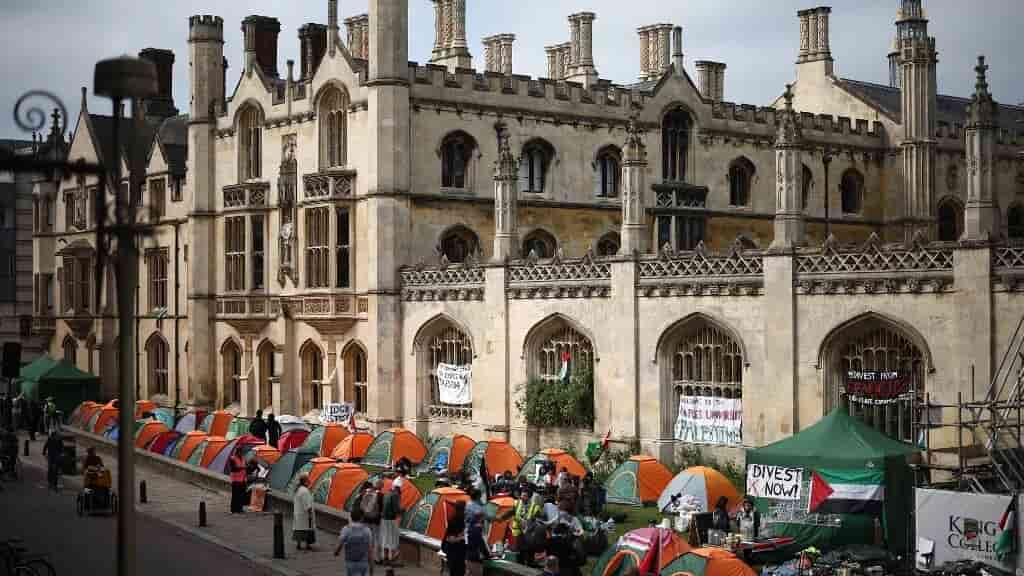
A spokesperson for Cambridge for Palestine expressed dismay, accusing the university of "maximal obfuscation" and backtracking on its commitments. The group stated that students and activists would continue campaigning until the university's money is used for education rather than funding conflict. This development follows previous MEE reports that Cambridge's endowment fund had invested over £140 million in a fund holding shares in companies linked to alleged Israeli human rights violations. Academics had previously criticized the university for a lack of transparency regarding its £4.2 billion endowment fund and its ties to arms manufacturers.