Key facts
- Boeing is selling its Wisk Aero air taxi business to Archer Aviation.
- The deal includes a stake in Archer Aviation, valued at over $1 billion.
- Boeing aims to shed the struggling air taxi business to focus on core operations.
- A technology-sharing agreement will allow Boeing to use Wisk's autonomous-flight technology.
- Analysts do not see this sale as a precursor to a broader divestment by Boeing.
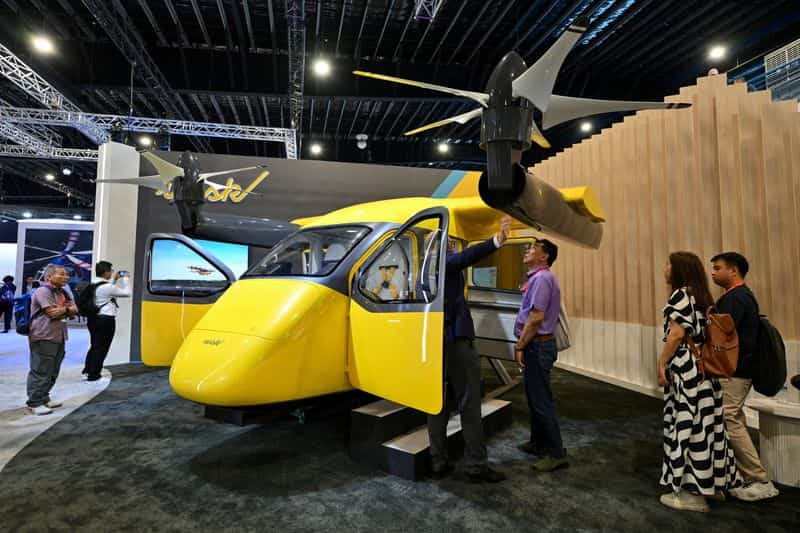
Boeing is selling its Wisk Aero air taxi business to Archer Aviation, a move that analysts suggest is aimed at shedding a non-core and struggling venture rather than signaling a wider divestment strategy. The deal, which includes Boeing receiving an equity stake in Archer valued at over $1 billion, allows Boeing to offload risk and a distraction while retaining market exposure and access to Wisk's autonomous-flight technology.
This transaction follows Boeing's earlier sale of its digital aviation services provider Jeppesen for $10.6 billion. Richard Aboulafia, a managing director with AeroDynamic Advisory, noted that developing and certifying air taxis has proven more costly and time-consuming than anticipated, with significant regulatory hurdles remaining. Wisk Aero, in particular, was seen as a drain on Boeing's resources and management attention without a clear payoff.
Under the agreement, Boeing and Archer will collaborate on technology, enabling Boeing to integrate Wisk's autonomous-flight capabilities into its own commercial and defense aircraft programs. Brian Yutko, a former CEO of Wisk and current Boeing VP, described the deal as a "win-win," benefiting both Archer by combining complementary capabilities and Boeing by providing strategic upside and focus on its core businesses. Archer's CEO, Adam Goldstein, emphasized Boeing's understanding of the combination's long-term value. Industry analysts maintain that Boeing's primary focus is on increasing jetliner production.